
MSI Increases Graphics Card Prices by Over 20 Percent

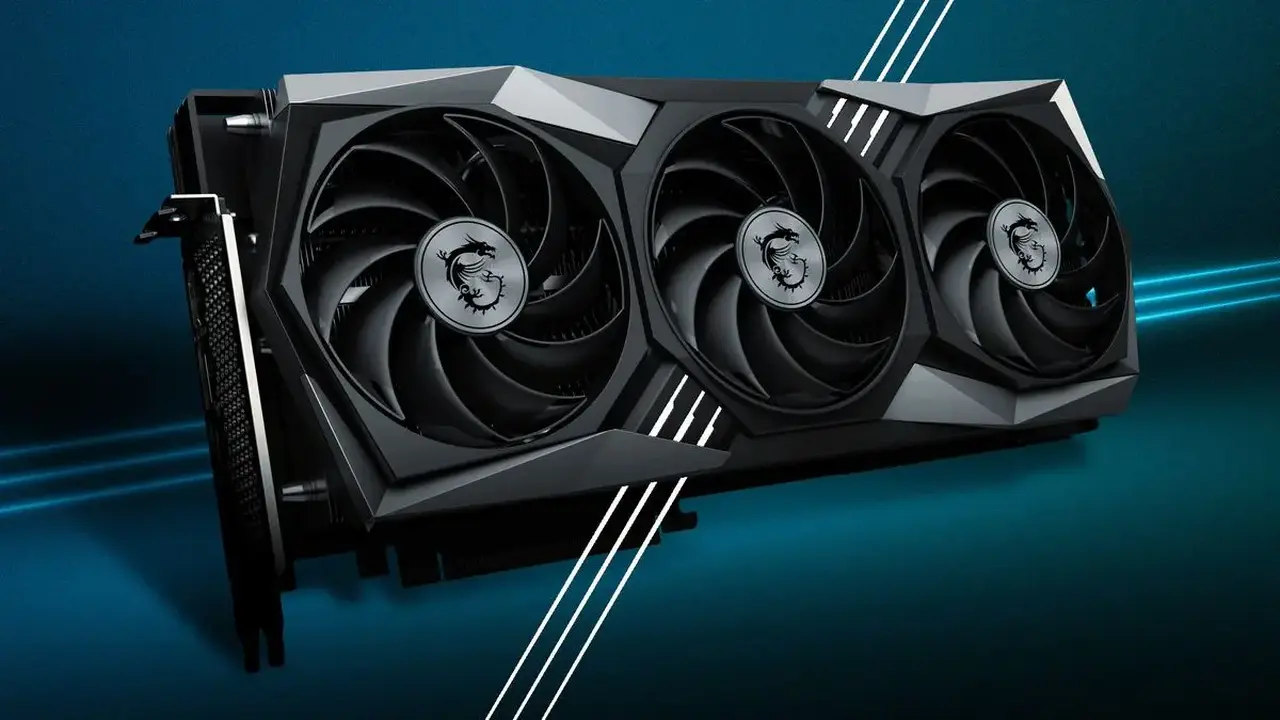
In a significant shift for the hardware market, MSI has officially announced a price increase of over 20 percent across its entire graphics card lineup. This decision follows similar adjustments made by industry competitors like ASUS and Gigabyte, marking a broader trend of rising costs in the technology sector. The move is primarily driven by the persistent global DRAM supply crisis, which has severely strained production capabilities and inflated manufacturing overheads. These price hikes are not restricted to the latest models but also impact older generation graphics processing units, affecting consumers and professionals worldwide as they navigate an increasingly expensive market landscape.
- MSI has implemented a price hike exceeding 20 percent on its graphics card product range.
- Global DRAM supply shortages have significantly increased production costs for hardware manufacturers.
- The price adjustments apply to both current-generation hardware and legacy graphics cards.
- Major industry players like ASUS and Gigabyte have previously adopted similar pricing strategies.
This abrupt escalation in hardware costs imposes a heavy financial burden on gamers and professional workstations alike.
Global DRAM Shortages Continue to Disrupt Production
The core of the current instability lies in the global DRAM memory market, where supply cannot keep pace with the surging demand for high-performance computing components. As manufacturers struggle to secure necessary raw materials, the resulting bottlenecks force companies to re-evaluate their financial strategies. MSI has opted to pass these unavoidable production costs directly to the consumer to sustain its manufacturing operations.
Industry analysts maintain a cautious outlook, suggesting that the memory crisis will likely persist for the foreseeable future. Experts warn that this volatility might extend to other vital hardware components, potentially triggering a chain reaction of price hikes across the entire PC building ecosystem. High-end models, which require larger quantities of specialized memory, are expected to experience the most significant retail price surges.
Older Graphics Card Models Face Upward Price Pressure
The impact of this economic shift is not limited to the latest product releases. As gamers and professionals find it increasingly difficult to acquire new hardware, demand for second-hand and existing stock of older-generation graphics cards has spiked. This surge in interest has effectively eliminated the potential for budget-friendly alternatives, as these older models have seen their market values climb alongside their newer counterparts.
Supply chain imbalances suggest that elevated prices will likely remain the market standard for an extended period.
Users Reassess Their Hardware Procurement Plans
For enthusiasts and system builders, this change represents a significant challenge for budget allocation. The ongoing uncertainty regarding hardware pricing makes it difficult for consumers to plan long-term upgrades, particularly for those building professional workstations or high-performance gaming rigs. While the industry waits for supply chains to stabilize, many are reconsidering their purchasing timelines to account for the new, higher cost of entry.
How do you anticipate the current pricing trajectory will affect your next hardware purchase, and do you believe these costs will stabilize soon? Please share your thoughts and experiences in the comments section below.
Your comment has been submitted,
it will be published after approval.