
Netlist Sues Samsung Over HBM and DDR5 Patent Infringements


California-based memory technology firm Netlist has officially filed a new patent infringement lawsuit against South Korean tech giant Samsung Electronics. This legal action, directed at the U.S. International Trade Commission (ITC) and the U.S. District Court for the Eastern District of Texas, targets Samsung’s critical HBM (High Bandwidth Memory) and DDR5 products. As the artificial intelligence revolution accelerates, these memory components have become the backbone of modern data centers. The dispute creates significant uncertainty for the semiconductor supply chain, potentially affecting major industry players who rely on these high-performance memory modules for their server infrastructure.
- Netlist claims Samsung infringed on two patents related to vertical stacking technology and register clock driver systems.
- The legal complaint names major tech corporations including Google, Nvidia, Broadcom, and Supermicro as entities utilizing the disputed hardware.
- Netlist is actively seeking import bans and permanent injunctions against Samsung products in the United States.
- The ongoing legal conflict follows previous rulings in 2023 and 2024 that resulted in substantial financial penalties for Samsung.
AI Chip Performance Depends on Advanced Memory
The rapid growth of the AI sector necessitates memory chips capable of processing massive datasets at unprecedented speeds. At the core of the current legal battle are two specific patents that enable this high-performance architecture. The first patent, No. 12,646,537, covers silicon transition (TSV) technology, which allows memory chips to be stacked vertically while reducing power consumption issues. This technology is vital for the efficiency of the HBM products that currently drive Samsung’s revenue growth. 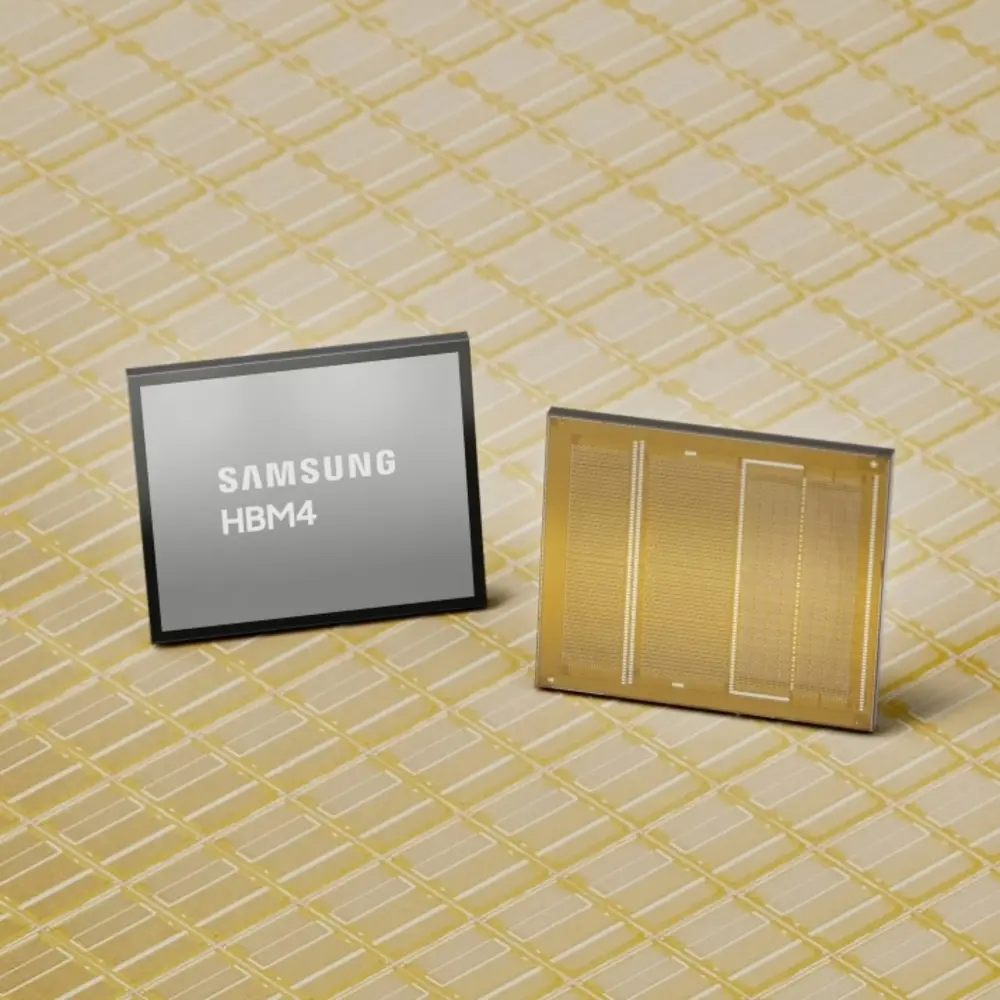
The second patent, No. 12,650,937, pertains to the registered clock driver (RCD) technology essential for the stable operation of DDR5 memory modules at high frequencies. These components are standard in advanced server memory such as RDIMM and MRDIMM. Netlist contends that these sophisticated architectures, which facilitate terabytes of data flow per second, are being utilized without proper authorization.
A potential import ban could disrupt the global supply chain for high-end artificial intelligence hardware.
Major Tech Giants are Involved in the Dispute
The complexity of this case increases as the lawsuit encompasses not only the hardware manufacturer but also the tech giants that integrate these components into their systems. In its filing with the ITC, Netlist has implicated industry leaders including Google, Nvidia, Broadcom, and Supermicro. 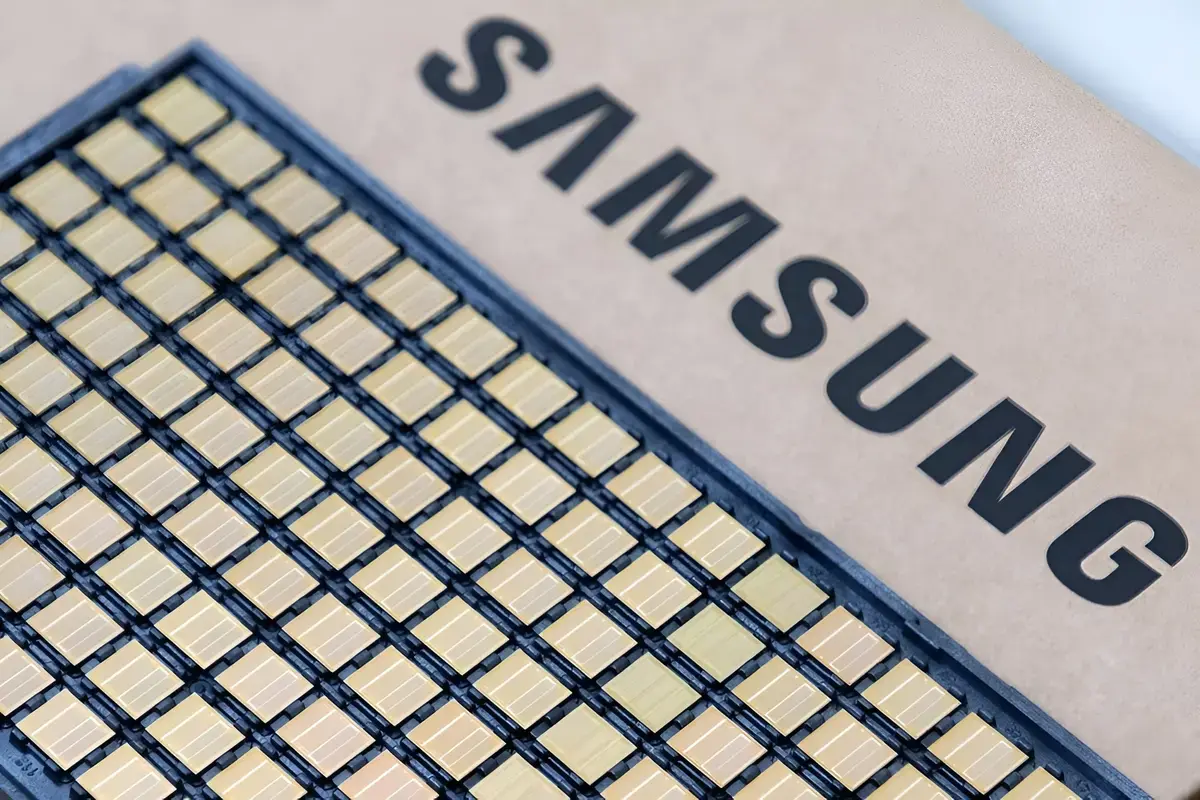
These companies rely heavily on Samsung’s memory chips for their flagship products, such as Google’s custom TPU processors, Nvidia’s Blackwell and Rubin graphics units, and Supermicro’s high-density server systems. If the court grants the requested import prohibitions, these companies may face significant delays in sourcing necessary components for their AI infrastructure.
Legal Battles Between Samsung and Netlist Persist
This conflict is the latest chapter in a long-standing legal struggle between the two companies. Although they entered a licensing agreement in 2015, disagreements regarding contract terms led to a breakdown in relations by 2020. Past trials have resulted in significant legal defeats for Samsung, including multi-million dollar penalties awarded to Netlist by Texas juries in recent years.
Samsung maintains that its products remain fully compliant with legal standards and intends to defend its position vigorously.
Netlist CEO C.K. Hong has stated that these legal measures are necessary to protect the company’s innovation in the AI memory sector. Given the ITC’s reputation for acting faster than standard courts, the industry expects a resolution that could have profound commercial implications for the semiconductor market in the coming months.
How do you think this high-stakes patent dispute will affect the availability and pricing of AI-driven hardware in the near future? Share your thoughts below.
Your comment has been submitted,
it will be published after approval.