
New Hyundai Tucson and N Line Debut in Paris

The new Hyundai Tucson made its official European debut at the Paris Motor Show, introducing a fifth-generation design that promises to redefine the competitive SUV segment. Following its initial unveilings in South Korea and the United States, the European-spec model took center stage in Paris, accompanied by the first-ever global reveal of the sporty Tucson N Line trim. Built at Hyundai’s Nošovice plant in the Czech Republic, the new Tucson features a bold design language and advanced technology, signaling a significant evolution for one of the brand’s most critical vehicles in the European market.
- The new Tucson features increased dimensions and a significantly larger cargo capacity compared to its predecessor.
- Hyundai offers three powertrain options, including a 1.6-liter turbocharged engine, a full hybrid, and a plug-in hybrid system.
- The vehicle introduces an Android Automotive-based infotainment system with a class-leading 17-inch central screen.
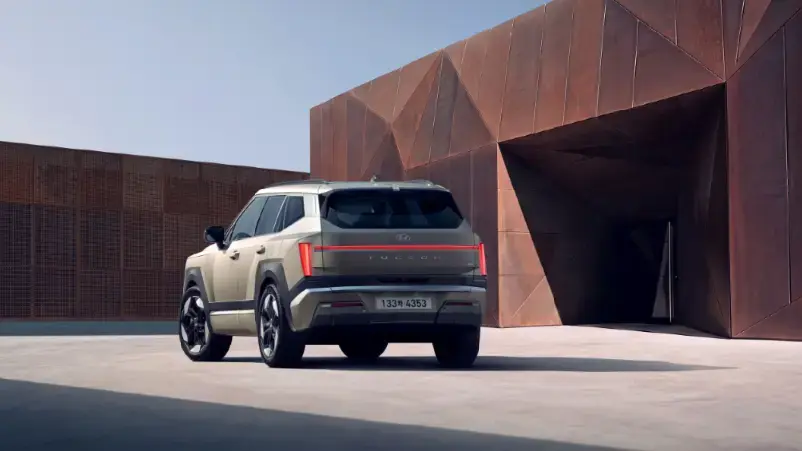
Hyundai Tucson Dimensions Have Grown Significantly
The European version of the Tucson has undergone a substantial physical transformation. The SUV now measures 4,560 mm in length and 1,900 mm in width, representing a 35 mm increase in both metrics compared to the outgoing model. The height has also been raised by 20 mm to 1,670 mm, resulting in a more commanding presence on the road. Beyond the exterior dimensions, interior practicality has been enhanced, with the cargo area now reaching 695 liters. Engineers also improved accessibility by increasing the rear door opening angle from 73 to 83 degrees, contributing to what Hyundai claims is best-in-class interior space for the front row.
Advanced Powertrain Options Power the New Fleet
The engine lineup for the European market is designed to provide versatility for diverse driving needs. The entry-level model utilizes a 150 PS 1.6 T-GDI engine, available with either a manual gearbox or a 48V mild-hybrid system paired with a dual-clutch transmission. The full hybrid variant generates a total of 245 PS and 380 Nm of torque, offering both front-wheel and all-wheel drive configurations. For those seeking maximum performance, the plug-in hybrid model combines the 1.6-liter turbo engine with a 17.1 kWh battery to produce 292 PS, delivering an estimated electric-only range of up to 81 km.
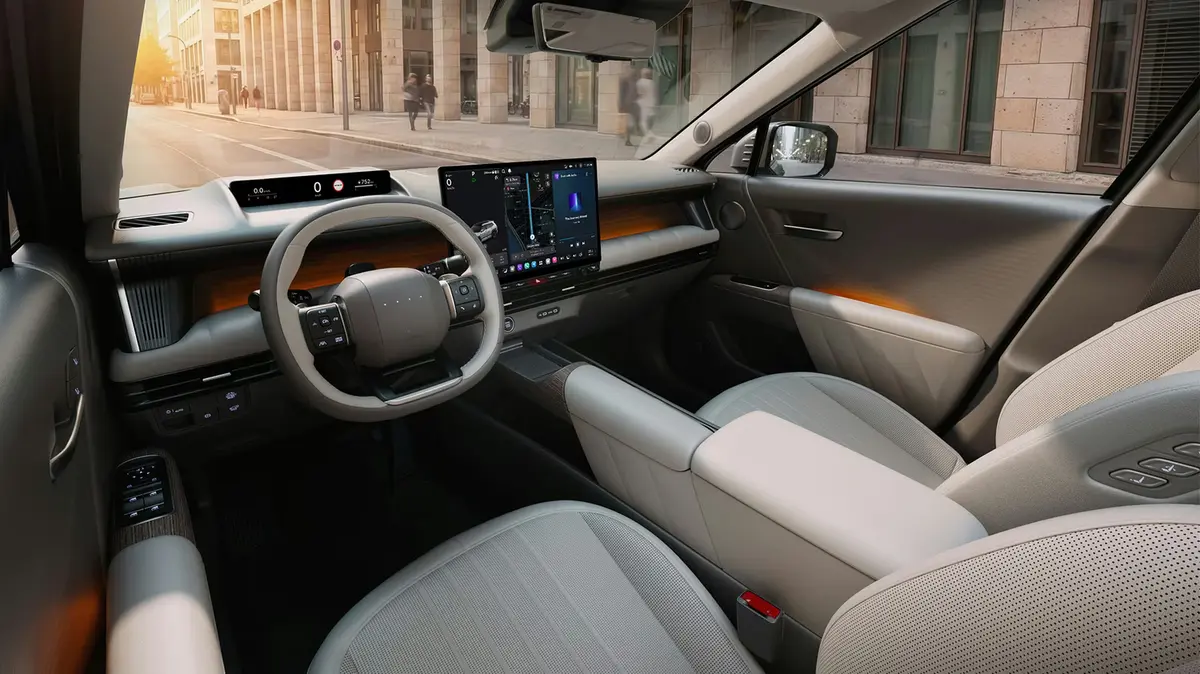
Interior Technology Features Modern Connectivity Solutions
Inside the cabin, the focus remains on digitization and user experience. The vehicle utilizes the Pleos Connect system, which is based on Android Automotive. This setup features a massive 17-inch central display, described by Hyundai as the largest in its segment, complemented by a secondary 9.9-inch digital driver display. The integration of the Gleo AI voice assistant allows for seamless control of vehicle functions via real-time internet data. Furthermore, the inclusion of a 12-speaker Bang & Olufsen sound system and wireless over-the-air update support ensures the vehicle remains technologically relevant.
Tucson N Line Brings Sporty Aesthetics to the Range
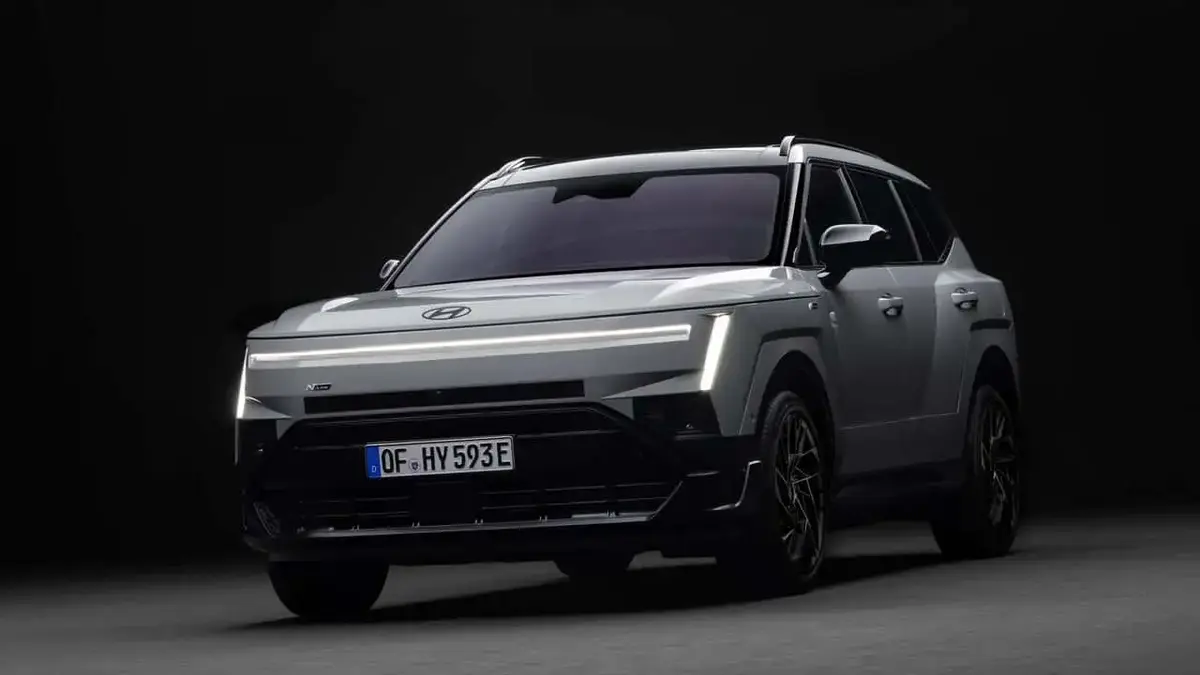
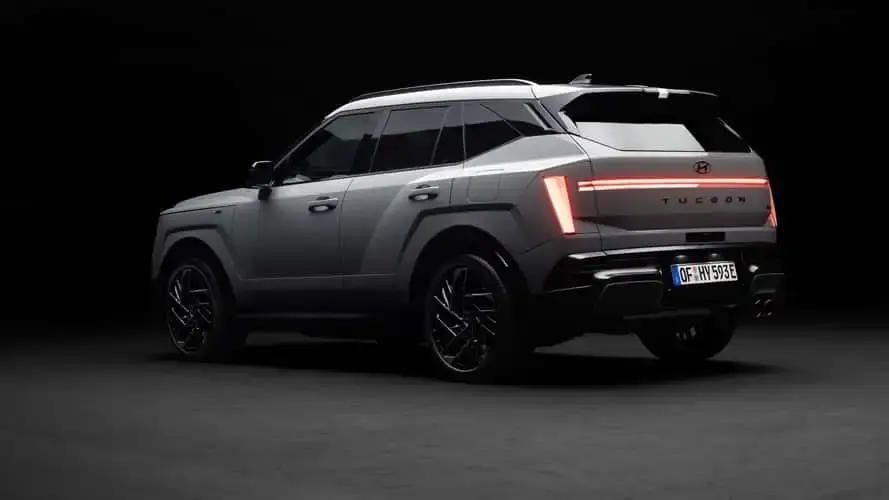
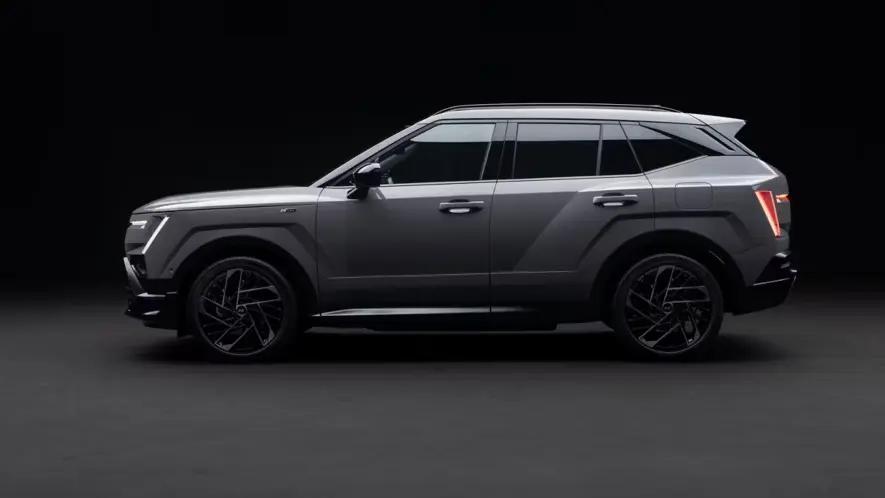
The Paris Motor Show also marked the debut of the Tucson N Line, a trim level that emphasizes aesthetic aggression over mechanical upgrades. Distinguishing itself with 20-inch alloy wheels, a specialized front spoiler, and dual exhaust outlets, the N Line provides a more dynamic visual profile. The interior reflects this theme with sports seats upholstered in leather and suede, highlighted by contrast red stitching and metallic pedals. While the mechanical components remain consistent with the standard Tucson, the N Line offers buyers a unique path for personalization.
Market Expectations Continue to Rise
With over 2 million units sold in Europe, the Tucson remains a pillar of Hyundai’s sales strategy. By taking the risk of a radical design shift and packing the model with high-end tech, the company is clearly aiming to set a new benchmark for competitors. While official pricing and regional release dates for the Turkish market are yet to be finalized, the market impact of this new generation is expected to be substantial.
We would love to hear your thoughts on the bold new design language of the Hyundai Tucson; do you think the larger screen and aggressive styling will help it dominate the SUV market? Share your opinions in the comments section below.
Your comment has been submitted,
it will be published after approval.