
Nintendo Evaluates Switch 2 OLED Model Amid Production Challenges

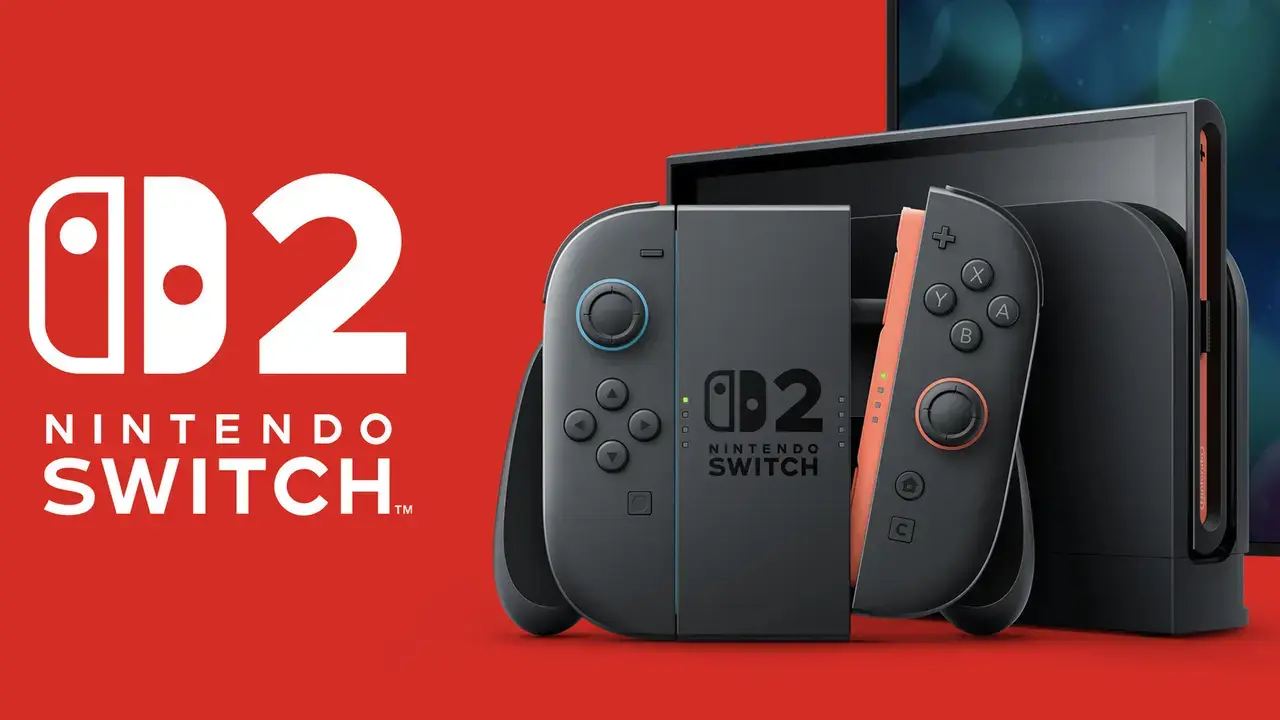
Nintendo is currently evaluating the development of an OLED-equipped version of the Switch 2, following the successful launch of its latest console in 2025. According to reports from ZDNet Korea, the gaming giant is exploring the implementation of a 1080p rigid OLED display to enhance visual fidelity for its portable gaming ecosystem. While the standard Switch 2 continues to perform well in the market, Nintendo aims to address consumer demand for superior contrast and deeper blacks through this potential upgrade. However, the company faces significant hurdles, including rising global semiconductor costs and supply chain volatility, which complicate the production timeline for this high-end display technology.
- Nintendo is actively researching the feasibility of an OLED display variant for the Switch 2 console.
- Samsung Display is identified as a potential primary supplier for the proposed rigid OLED panels.
- Escalating costs for NAND Flash and DRAM components pose a challenge for project financial viability.
- The company intends to align its product roadmap with the historical release strategy of previous console generations.
Production costs remain the primary obstacle preventing an immediate release of the OLED variant.
Samsung Display Leads the Potential Panel Supply Chain
The original Switch 2 features a high-quality LCD panel that provides a significant upgrade over previous generations. To elevate the experience further, Nintendo is looking toward Samsung Display for its expertise in rigid OLED technology. 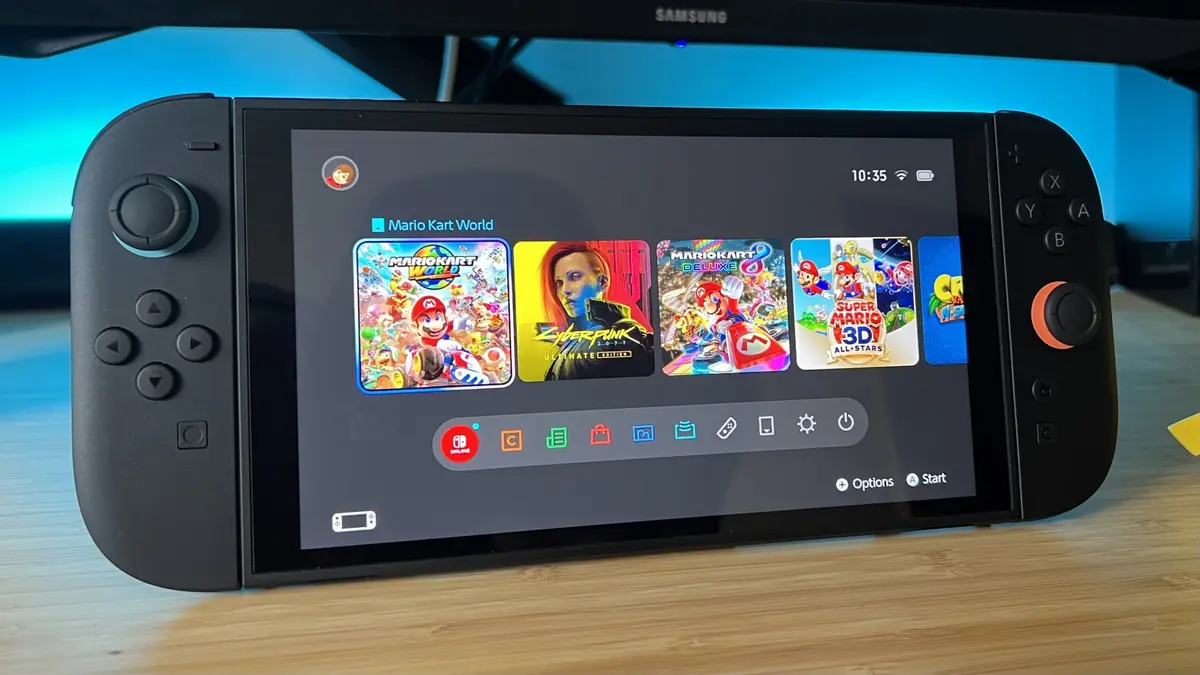 This transition is expected to offer more than just aesthetic improvements; OLED panels contribute to better energy efficiency, as pixels can be individually dimmed to save battery life during extended gaming sessions.
Global Semiconductor Costs Complicate Hardware Development
The economic landscape of the electronics industry has shifted, with memory components becoming increasingly expensive. The price disparity between standard LCDs and advanced OLED screens is substantial, which would necessitate a higher retail price for the end consumer. Nintendo is tasked with balancing the desire for premium hardware with the necessity of keeping the console accessible to its core audience. 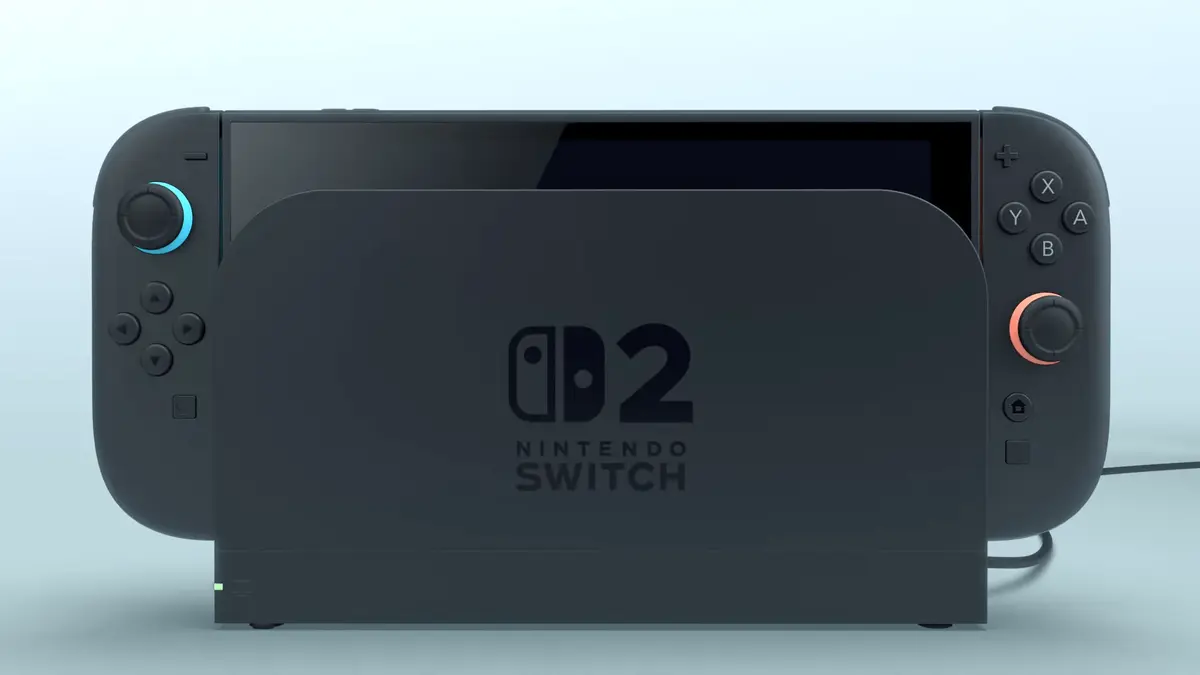 As NAND Flash and DRAM prices continue to fluctuate, the company is proceeding with caution to ensure that any hardware iteration remains financially sustainable.
Strategic pricing decisions will determine the ultimate market launch window for the OLED model.
Strategic Planning Follows Traditional Hardware Life Cycles
Nintendo has consistently utilized a tiered release strategy for its hardware, as evidenced by the progression from the original Switch to the Lite and eventually the OLED model. Following this trajectory, the company is preparing for a mid-cycle update that includes a battery-focused revision this autumn to comply with new European Union regulations regarding electronic waste. If the OLED project receives final approval, it would likely align with a 2027 or 2028 release window, following the established cadence of the company’s product life cycles. Research and development teams are expected to accelerate their efforts later this year to refine the prototype.
Do you believe the visual improvements of an OLED screen justify a higher price point for the Switch 2, or should Nintendo prioritize hardware performance instead? Share your thoughts in the comments section below.
Your comment has been submitted,
it will be published after approval.