
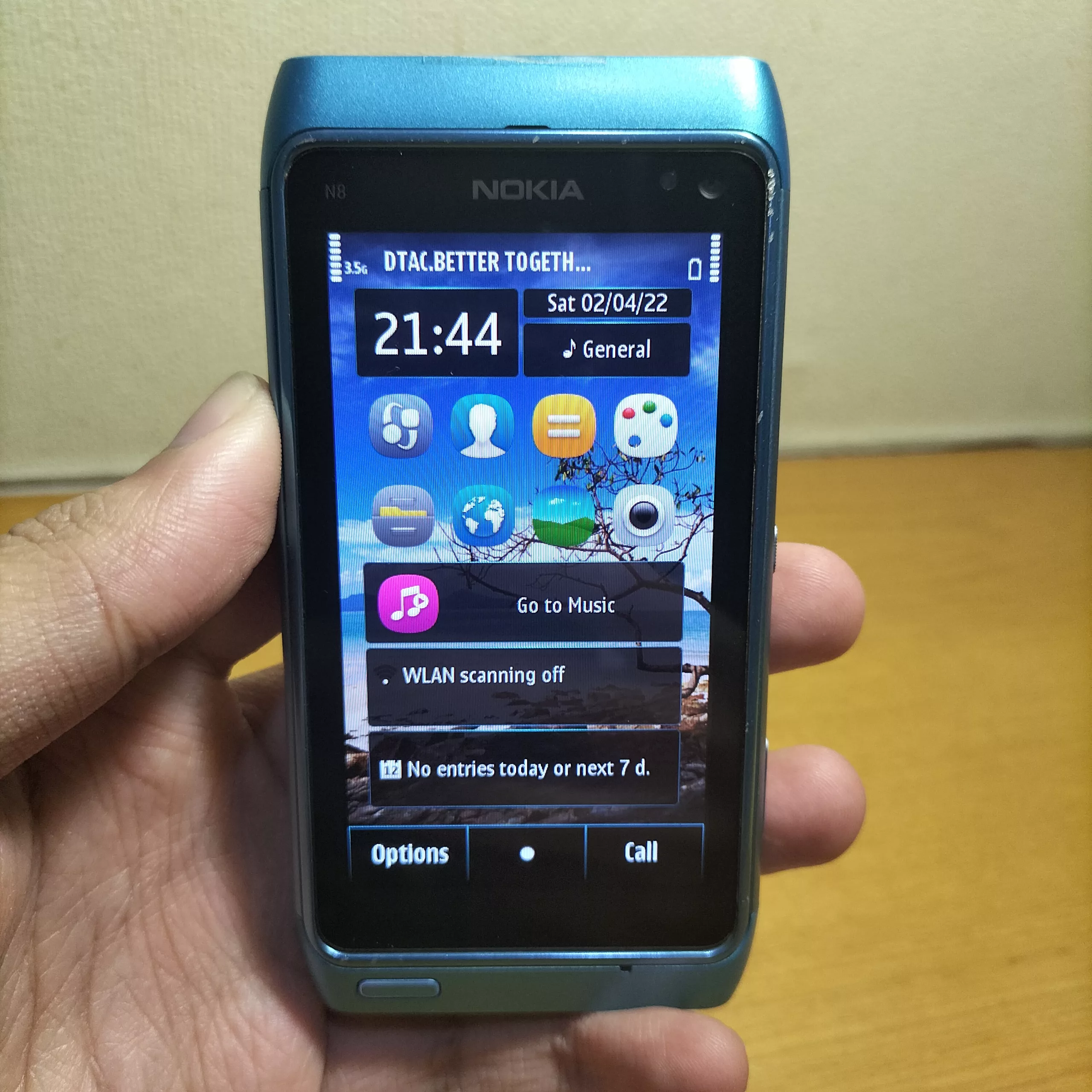
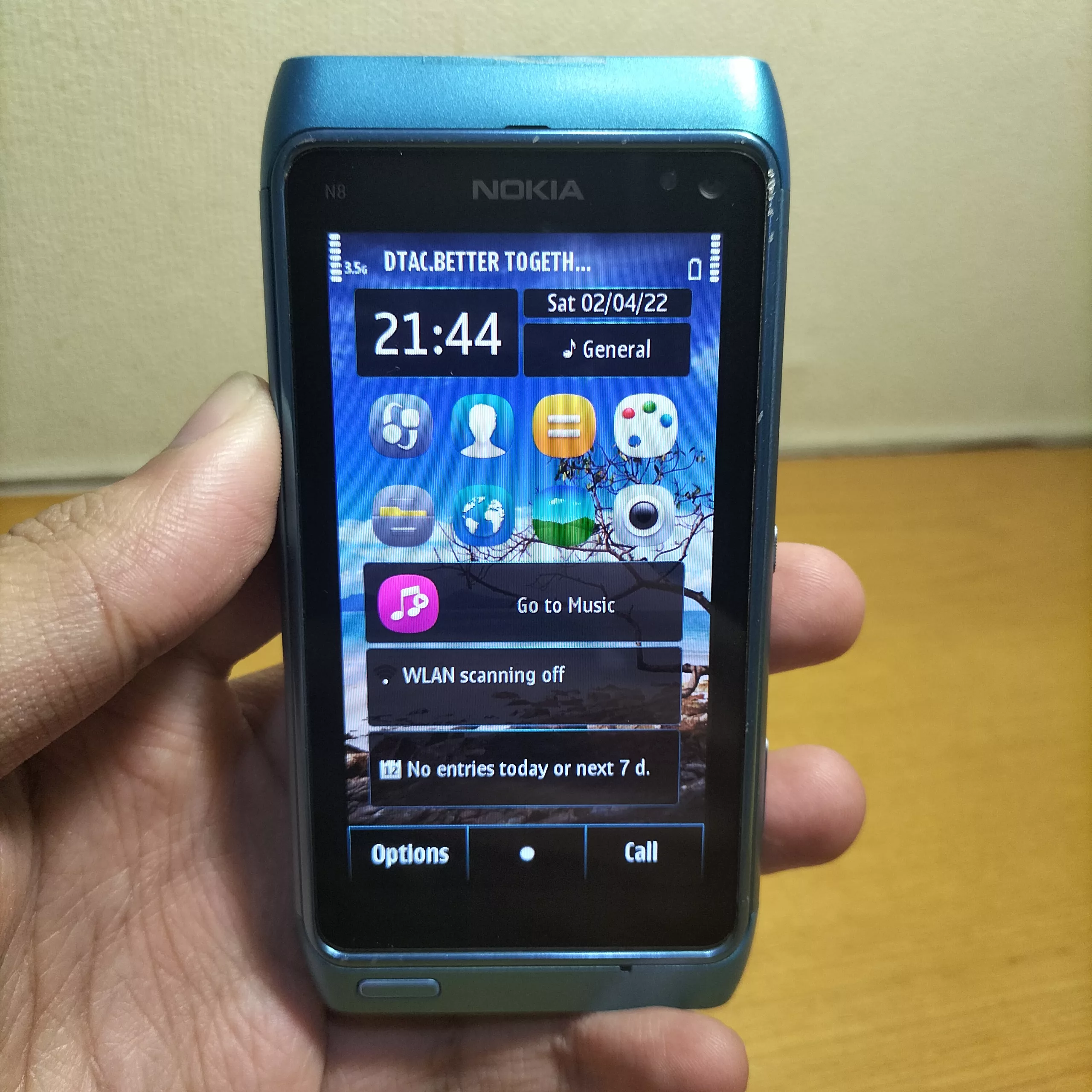
The legendary Nokia N8 revival is now a reality, thanks to a dedicated group of developers. Many of us have long forgotten our old Symbian-based phones, storing them away in drawers. However, a new custom software project called “Reborn” is bringing the iconic Nokia N8 back to life, aiming to make this classic device fully usable in the modern age.
How the ‘Reborn’ Project Fuels the Nokia N8 Revival
Released in 2010, the Nokia N8 was a powerhouse for its time, especially known for its hardware. Its impressive 12MP Carl Zeiss camera and powerful Xenon flash could outperform many contemporary smartphone cameras. However, its Symbian operating system, originally designed for non-touch devices, struggled to keep up with the evolving market.
While Nokia tried to compete with the rise of iPhone and Android by introducing the Nokia Belle interface, it was too little, too late. Today, a standard N8 feels slow and disconnected. This is precisely what the developer community set out to change more than a decade later.
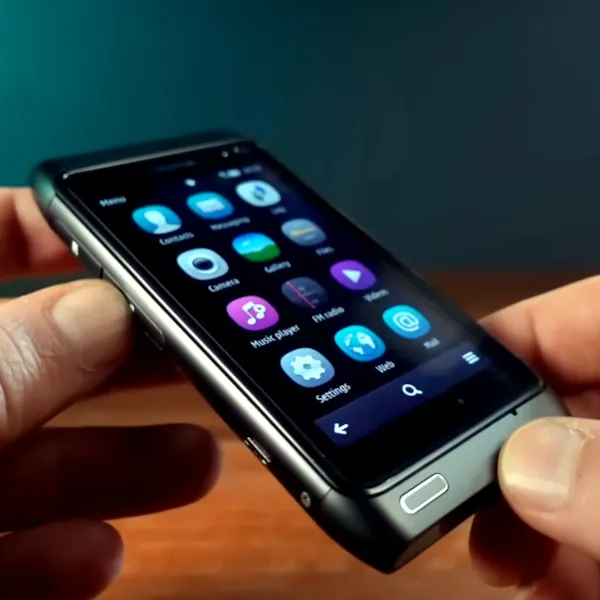
The new custom ROM is built upon Nokia Belle, the last major version of Symbian, and addresses the phone’s core problems. Most importantly, it makes the device feel fluid and responsive again, turning it from a collector’s item into a genuinely usable phone that showcases its powerful hardware.
Key Features of the Modernized Symbian OS
One of the most significant upgrades is the addition of a fully functional and updated application store. Furthermore, the new software includes updated HTTPS signing certificates, which are essential for secure browsing on today’s internet. This allows the classic device to access modern websites without constant security errors.
Additionally, the Reborn project removes Symbian’s strict application signing rules. This is great news for tech enthusiasts, as it allows them to sideload any application they want without dealing with old bureaucratic hurdles. This freedom opens up a world of possibilities for customizing the device.
However, those interested in trying this project should proceed with caution. Old Nokia installation tools can sometimes conflict with Windows 10 drivers, potentially leading to a Blue Screen of Death (BSOD). Hardware issues like aging camera modules or bent SIM pins can also be a factor. Despite these challenges, the sturdy build of these phones means a fully working device can often be assembled from the parts of a few.
So, what are your thoughts on the Nokia N8 revival? Share your opinions with us in the comments!