

Nvidia is trying to thread the needle once again in China. CEO Jensen Huang confirmed the company is working with US officials on a follow-up to its H20 chip that was previously blocked from the Chinese market. The new design would use the Blackwell architecture but deliberately step down in power compared to the flagship B200 processor sold to American customers.
Nvidia waits on Trump’s call
Speaking with reporters in Taiwan, Huang said the plan is to sell the chip into Chinese AI data centers, but stressed that approval is not in the company’s hands. “That’s up to the United States government, and we’re in dialogue with them, but it’s too soon to know,” he said.
The Trump administration originally banned Nvidia’s H20 in April, only to reverse course after Huang met with Trump. Shipments began in July under a new rule requiring Nvidia and AMD to pay a 15 percent levy on all AI chip sales into China. Trump has since signaled he is open to for the company shipping additional Blackwell-based chips under that framework.
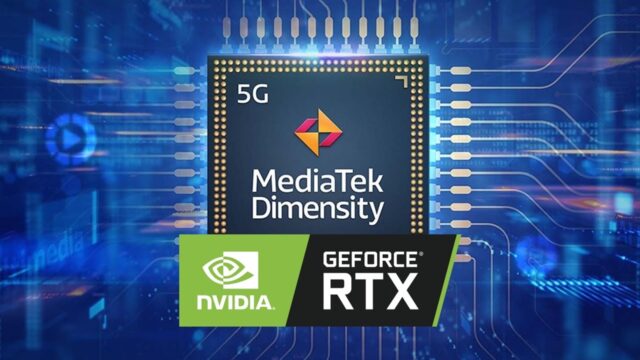
NVIDIA and MediaTek are developing an AI PC processor. What does it offer to rival the Qualcomm Snapdragon X series?
China questions security, Nvidia pushes back
While the US deliberates, Beijing is raising its own alarms. Chinese officials have warned domestic companies that Nvidia chips could pose security risks, claiming they might carry hidden backdoors. The company has denied the charge and says it is working directly with regulators in China to address concerns.
Why China still matters to Nvidia
China, including Hong Kong, generated $17.1 billion in Nvidia’s last fiscal year, a sizable piece of its $130.4 billion in global revenue. The US remains its largest market at $61.2 billion, but losing or limiting access to China would be a blow to growth. Investors are watching closely, with Nvidia set to report Q3 earnings on Wednesday.
The balancing act is clear. Nvidia is trying to stay inside shifting US trade restrictions, appease wary Chinese regulators, and still sell billions of dollars of AI hardware into one of its biggest markets.