
OpenAI President Greg Brockman Outlines ChatGPT Wearables Integration

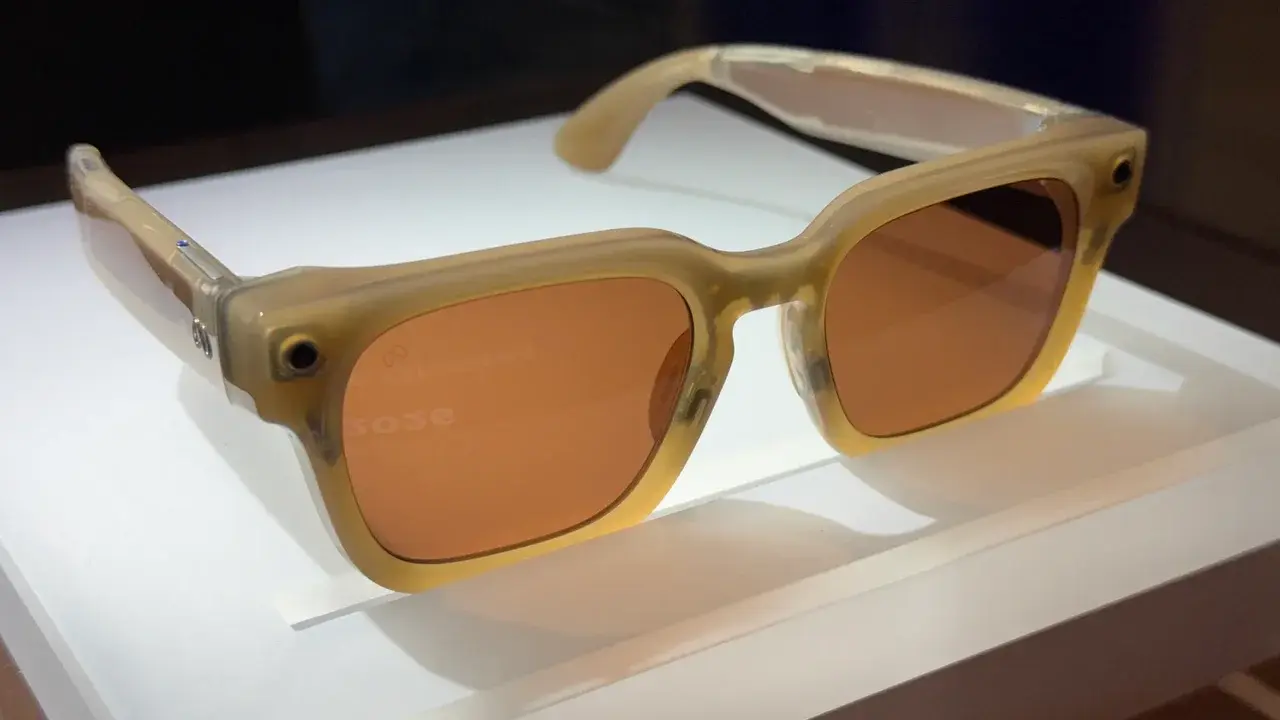
At a recent gathering in New York, OpenAI President Greg Brockman officially announced the company’s strategic roadmap to bring ChatGPT into the realm of wearable technology. Addressing industry leaders and stakeholders, Brockman clarified that the organization is actively developing new API infrastructures to ensure that the popular AI assistant becomes a seamless component of smart glasses and other portable devices. By transitioning away from manual input methods like keyboards and mice, OpenAI intends to foster a more fluid, voice-driven interaction model for daily digital tasks, effectively integrating advanced artificial intelligence into the user’s immediate physical environment.
- OpenAI is developing new APIs to integrate ChatGPT into third-party wearables and smart glasses.
- The company aims to transition users from traditional manual input devices to voice-activated AI assistants.
- Internal reports suggest that OpenAI is exploring the creation of proprietary hardware featuring advanced camera and identification technologies.
- Regulatory hurdles regarding data privacy and security remain primary challenges for the company’s hardware division.
The Company Aims to Create a Jarvis-Like AI Experience
The core objective of this initiative is to replicate the intuitive nature of AI assistants similar to the fictional Jarvis from the Iron Man franchise. By utilizing advanced audio interfaces such as ChatGPT Live, OpenAI envisions an ecosystem where the AI is not confined to a single application but exerts control across various computer systems and third-party software. This vision suggests a departure from the current paradigm where users must manually initiate queries. Instead, the AI would exist as an ambient presence, capable of processing information in real-time through wearable optics.
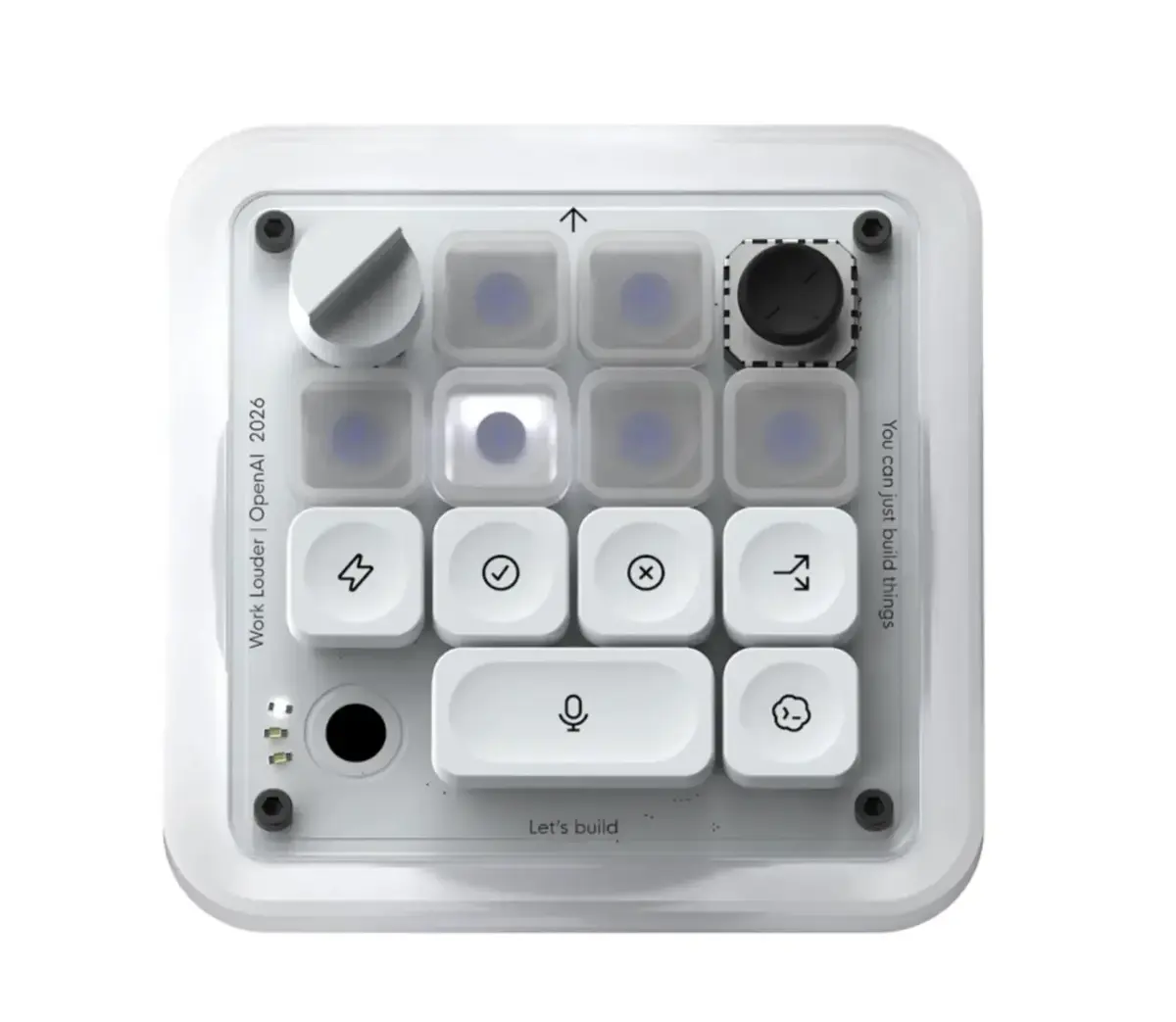
Manual input methods are becoming obsolete as voice-activated artificial intelligence begins to dominate the user interface landscape.
Hardware Manufacturers Must Collaborate for Future Success
While industry rivals like Gemini have begun testing the waters in the smart eyewear market, OpenAI is positioning itself to lead by fostering deep cooperation with hardware manufacturers. Because wearable devices require distinct user interface considerations compared to smartphones or laptops, the company is prioritizing the development of background-processing solutions that do not drain device resources. This strategic move is expected to bridge the current gap in the market, where most smart devices currently lack comprehensive, account-synced AI capabilities.
OpenAI Develops Proprietary Hardware Solutions
Beyond its software partnerships, OpenAI is pursuing its own distinct hardware projects that deviate from existing consumer electronics. Brockman emphasized that these devices will address specific, often overlooked user problems, serving as a tangible representation of the company’s broader AI mission. Speculation from sector analysts indicates that the initial product might be a specialized, semi-robotic device equipped with advanced optical recognition systems, potentially integrating secure identity verification methods like World ID. Despite the ambitious nature of these goals, the company acknowledges that navigating complex legal frameworks and stringent security protocols is essential before a mass-market launch occurs.
As we move closer to a future dominated by AI-integrated wearables, we want to hear your thoughts: Do you believe that voice-driven AI assistants will eventually render physical keyboards and mice completely unnecessary in our daily lives?
Your comment has been submitted,
it will be published after approval.