
OpenAI Updates ChatGPT to Prevent AI Writers From Copying Styles

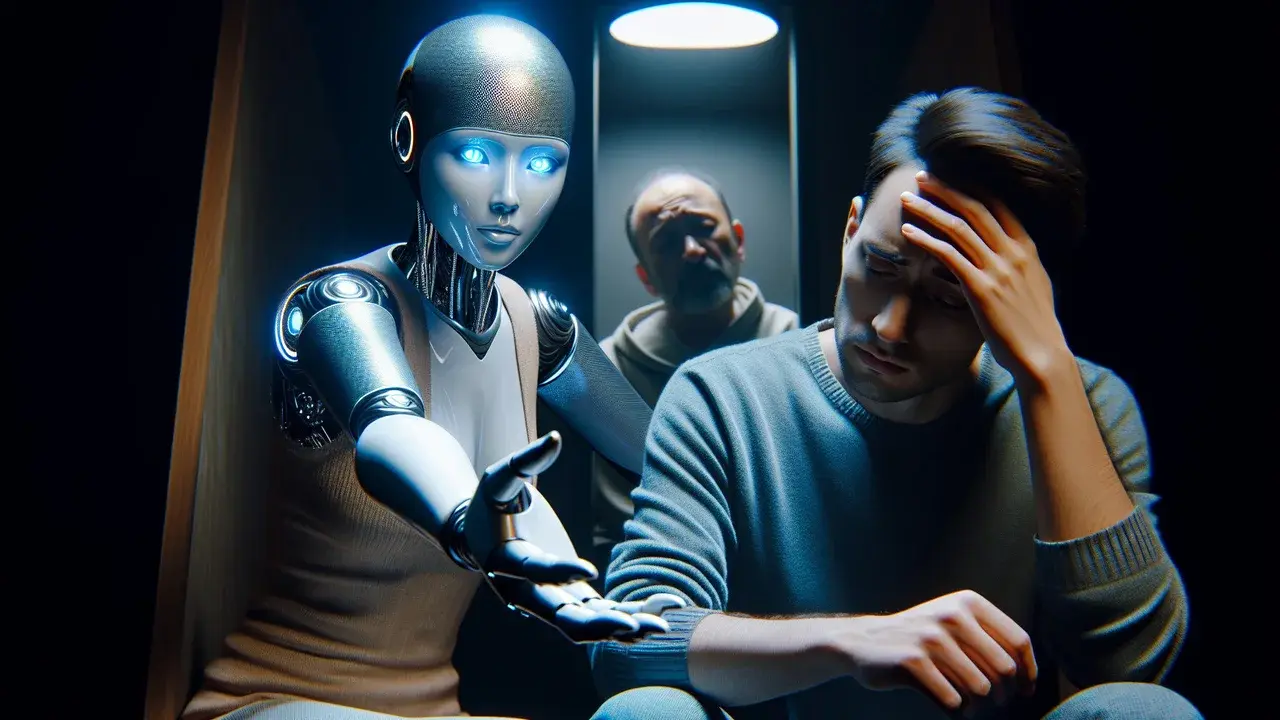
OpenAI has officially initiated updates to its ChatGPT platform that restrict the tool’s ability to emulate specific authors’ writing styles upon user request. This strategic shift, implemented to address growing concerns over intellectual property and ethical creative practices, prevents the generative model from mimicking unique literary voices. As AI writers become more prevalent in content creation, this decision marks a significant turning point in how large language models handle the delicate intersection of creative inspiration and potential copyright infringement. The Authors Guild has long cautioned that such imitations may lead to legal complications, including unfair competition and violations of original creative rights.
- OpenAI has restricted ChatGPT from mimicking specific authorial styles to prevent potential copyright infringement.
- The Authors Guild continues to warn developers and users about the legal risks associated with unauthorized stylistic imitation.
- Major AI platforms exhibit inconsistent policies regarding style emulation, with Google Gemini and Perplexity AI maintaining differing standards.
This move represents a major recalibration of how generative AI interacts with human creative intellectual property.
Artificial Intelligence Models Face Style Imitation Controversies
The debate surrounding style replication gained traction following a public backlash against writer Lena McDonald, who faced severe criticism after using AI to restyle her work based on another author’s specific voice. This incident highlighted the technical capabilities of large language models to dissect and replicate complex linguistic patterns. While OpenAI previously integrated similar safeguards into its DALL·E 3 image generation tool to protect living artists, the company’s recent model specifications for text generation have remained ambiguous, lacking a explicit ban on style mimicry until these latest updates.
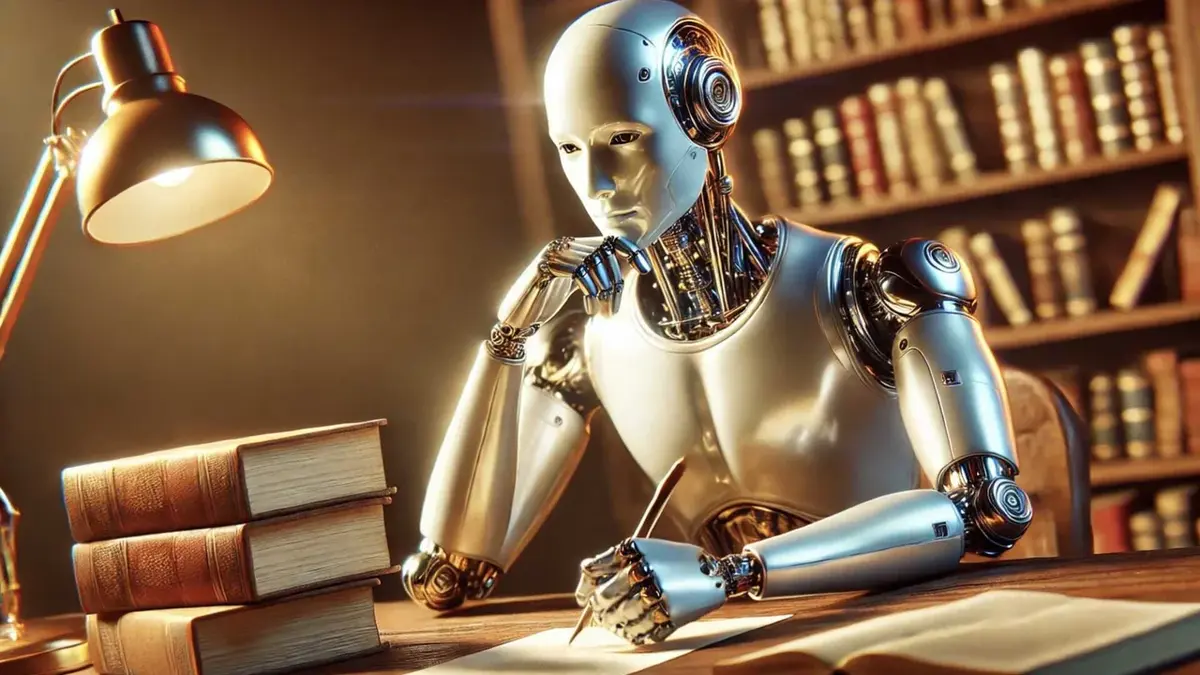
Various AI Platforms Adopt Differing Policies
The tech landscape remains fractured regarding how AI should handle stylistic imitation. Recent industry data provided by No Latency indicates that platforms are not acting in unison. While Google Gemini currently continues to fulfill requests for stylistic mimicry, other services such as Perplexity AI have aligned with OpenAI’s restrictive approach. Meanwhile, companies like Microsoft and Anthropic often allow these requests but include cautionary disclaimers that alert users to the ethical implications of their prompts. These discrepancies show that the industry has not yet reached a consensus on the boundaries of AI-generated content.
Users Attempt to Adapt to New Restrictions
The implementation of these limitations has created friction for users who rely on ChatGPT to maintain a consistent tone across their creative projects. Within online communities like Reddit, contributors are expressing frustration over the inability to generate content in the specific style of certain authors. Some users are now exploring alternative strategies, such as inputting extensive samples of their own writing into the system to train the model on a specific voice rather than relying on an external identity.
The ongoing tension between technological convenience and legal ownership continues to define the evolution of generative tools.
As the creative community navigates these new limitations, the question of where the boundary lies between inspiration and theft remains central to the discussion. Developers are tasked with building models that are helpful without undermining the economic and creative contributions of human writers. This balance is critical for the future of digital literature.
We would love to hear your perspective on this development; do you believe that preventing AI from mimicking specific writing styles is a necessary step to protect human creativity, or does it hinder the potential of these tools?
Your comment has been submitted,
it will be published after approval.