
PlayStation 2 Security Chip Cracked After 26 Years

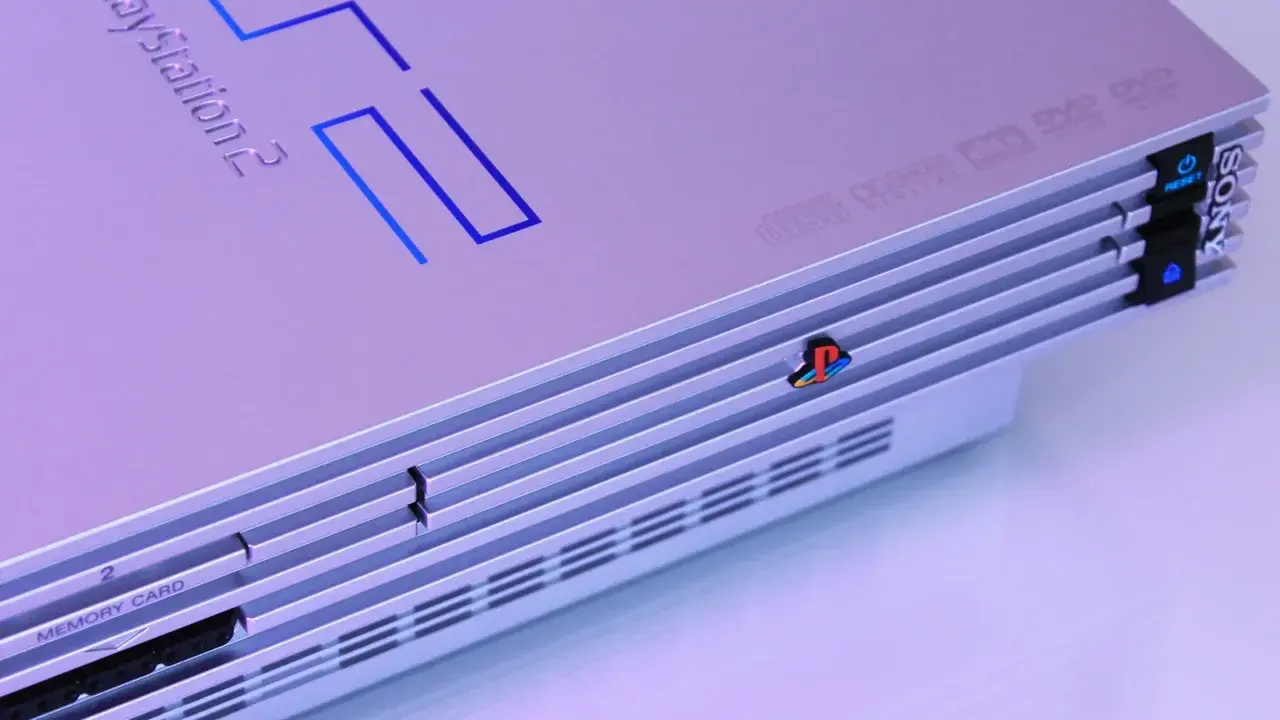
After more than two decades, the security architecture of the legendary PlayStation 2 has finally been compromised. Hardware researcher DiscoStarslayer has successfully completed a complex reverse-engineering project focused on the console’s central security mechanism, known as the MechaCon chip. This significant milestone, which concludes four years of intensive study, effectively bypasses the device’s low-level access restrictions that have long hindered the retro gaming community. By meticulously documenting the internal structure of the PlayStation 2 security chip, the researcher has unlocked new possibilities for the future of hardware preservation, system emulation, and custom software development for Sony’s best-selling console.
- Researcher DiscoStarslayer successfully reverse-engineered the PS2 MechaCon CXP102064 chip after four years of study.
- The removal of these hardware access barriers enables more accurate emulation and homebrew development.
- The breakthrough extends beyond consoles to include specific arcade systems manufactured by Konami and Namco.
Security Measures are Finally Understood
The MechaCon CXP102064 chip served as the primary gatekeeper for the PlayStation 2, tasked with verifying software and preventing unauthorized access. Sony implemented this intricate security layer to combat the widespread piracy issues that plagued the original PlayStation. For 26 years, the chip functioned as a formidable barrier, shielding the internal hardware from external interference and making deep-level modifications nearly impossible for the average enthusiast.

The process of compromising this security layer involved extreme technical precision. The researcher utilized chemical stripping to expose the chip’s internal components, followed by high-resolution microscopic analysis of the silicon structure. By mapping every individual layer of the circuitry, the team identified critical vulnerabilities that allowed them to map the chip’s logical operations. This exhaustive process has officially brought the inner workings of the MechaCon into the public domain, ending its long tenure as an impenetrable vault of Sony’s hardware design.
Emulation Standards are Greatly Improved
This achievement represents a monumental shift for the retro gaming preservation scene. By fully documenting the MechaCon’s logic, developers can now build significantly more accurate and efficient emulators. Previously, the lack of transparency regarding this chip meant that many PS2 functions had to be guessed or approximated by software developers. With the exact hardware specifications now known, these emulators can operate with a level of fidelity that was previously thought unattainable.
Furthermore, the implications of this study transcend the home console market. The CXP102064 chip architecture was also utilized in various arcade systems produced by industry giants like Namco and Konami. Consequently, the research provides a roadmap for engineers to better emulate these rare arcade cabinets, ensuring that these classic gaming experiences remain playable for future generations. This breakthrough underscores the vital importance of hardware-level research in safeguarding the history of digital entertainment against the inevitable decay of aging physical components.
How do you believe this breakthrough in reverse engineering will impact the future of game preservation and the retro console modding scene? Share your thoughts in the comments section below.
Your comment has been submitted,
it will be published after approval.