
Popular Electric Cars Hover Near the 25 Percent Tax Limit

In the rapidly evolving Turkish automotive market, the Special Consumption Tax (SCT) thresholds for electric vehicles under 160 kW have become a critical focal point for both consumers and manufacturers. As of late 2024, a significant number of popular electric car models are currently positioned just below the 25 percent tax bracket limit, creating a delicate balance in retail pricing. Driven by fluctuations in foreign exchange rates, inflation, and customs duties, these vehicles remain competitively priced for now, but any marginal increase in base costs could force these models into a much higher tax tier, drastically altering the landscape for prospective buyers across the country.
- Electric vehicles with motors under 160 kW currently benefit from a lower tax bracket if they stay below specific fiscal thresholds.
- Twelve prominent car models are priced between 2.41 million and 2.48 million Turkish Lira, placing them at the edge of the tax limit.
- Minor increases in vehicle base prices threaten to trigger significant jumps in final retail costs due to the tax bracket structure.
Fiscal Thresholds Dictate Market Competitiveness
The structure of the Special Consumption Tax in Turkey dictates the market strategy for every major automaker. When a vehicle’s base price remains below the government-set threshold, it qualifies for the 25 percent tax rate, allowing manufacturers to maintain attractive price points. However, once that threshold is breached, the tax burden increases substantially, forcing the total cost to soar. 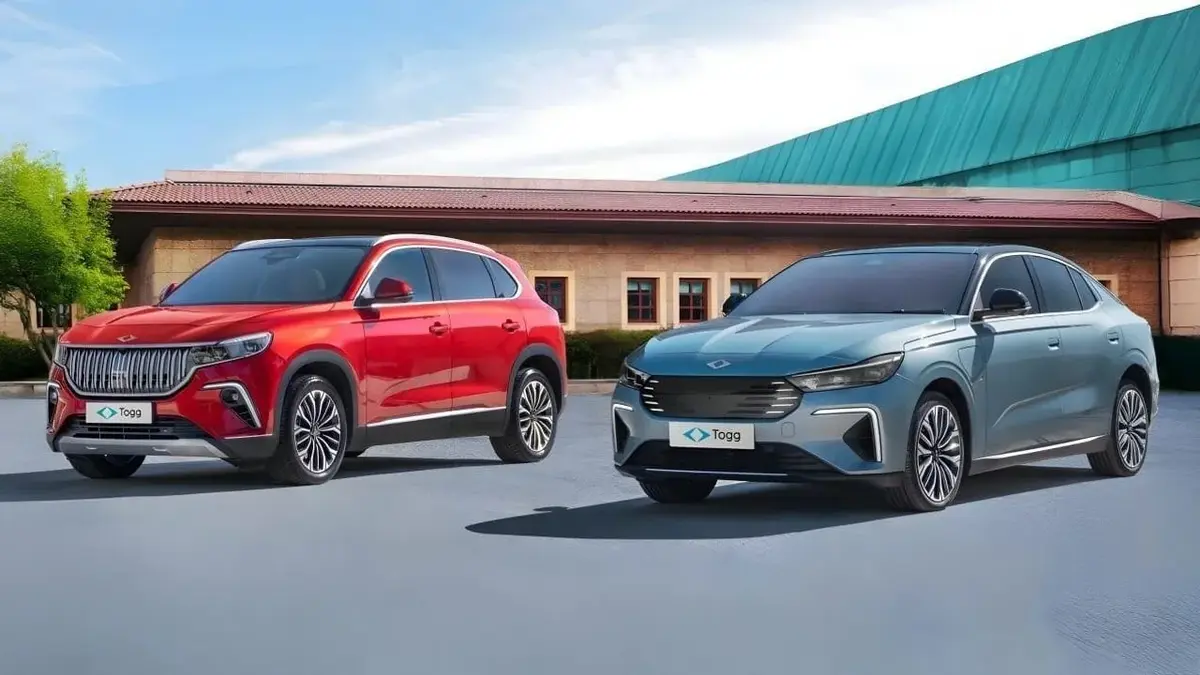
Manufacturers are currently sacrificing profit margins and adjusting equipment packages just to keep their vehicles within the lower tax bracket.
Popular Models Face Potential Price Volatility
Data recently shared by industry experts highlights 12 key electric vehicles currently operating at this precarious fiscal boundary. The domestic Togg T10X V2 leads the group with a starting price of 2,411,000 TL, closely followed by the Citroen C5 Aircross Plus at 2,430,000 TL and the Alpine A290 GTS at 2,435,000 TL. Other notable vehicles include the Ford Explorer at 2,457,300 TL, the Volvo EX30 at 2,472,390 TL, and the KGM Torres EVX at 2,474,830 TL.
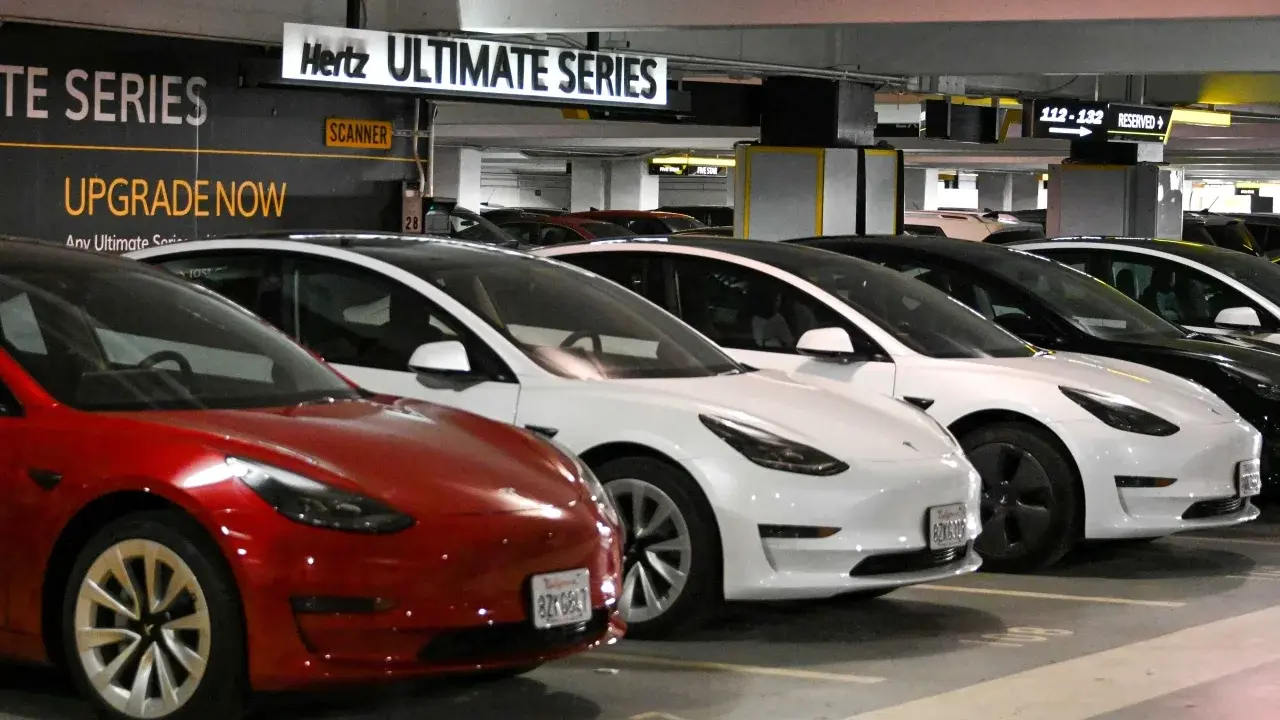
Global best-sellers like the Tesla Model Y are also navigating this tight corridor with a price tag of 2,474,985 TL. Further up the scale, the Skoda Elroq sits at 2,481,600 TL, while the Hyundai Ioniq 6 Advance, KIA EV3 Prestige, and Opel Grandland Edition are priced near 2,485,000 TL. The Renault Megane E-Tech currently hits the ceiling of this category at 2,486,000 TL.
A single lira increase in the tax-excluded base price can lead to hundreds of thousands of liras in additional costs for the end user.
Consumers Must Monitor Market Trends Closely
The compression of prices between 2.4 million and 2.48 million TL suggests that the market is highly sensitive to economic shifts. Because the threshold is so narrow, any adjustment in import costs or currency valuations could displace these models from their current tax bracket overnight. For those planning to invest in an electric vehicle, staying informed about the latest manufacturer price updates and fiscal policy changes is no longer optional but essential.
Do you believe that the current tax bracket structure encourages the adoption of electric vehicles, or does the volatility of these price limits deter you from making a purchase? Share your thoughts and predictions on the future of electric car prices in Turkey in the comments section below.
Your comment has been submitted,
it will be published after approval.