
Qualcomm Snapdragon 8 Elite Gen 6 Retains Package Size


Qualcomm continues to navigate the complexities of mobile processor development as new details regarding the Snapdragon 8 Elite Gen 6 have surfaced. Industry reports indicate that the standard version of the upcoming chipset will maintain the same 126.2 mm² package dimensions as its predecessor, the Snapdragon 8 Elite Gen 5. While this strategic decision aims to optimize manufacturing costs, the transition to TSMC’s advanced 2nm process technology is expected to drive up overall production expenses for smartphone manufacturers. As Qualcomm strives to maintain its market dominance, the delicate balance between technical performance and rising manufacturing costs remains a primary concern for the industry.
- The standard Snapdragon 8 Elite Gen 6 retains the 126.2 mm² die size of the previous generation.
- The Pro variant features a larger L2 cache and significantly improved GPU bandwidth compared to the standard model.
- Transitioning to TSMC’s 2nm manufacturing process contributes to a substantial increase in production costs.
- Qualcomm intends to maintain market share through competitive pricing strategies despite rising overheads.
Constraint on Package Size Limits Performance Gains
Leaked technical specifications reveal that Qualcomm has opted to reuse the existing die architecture for the standard Snapdragon 8 Elite Gen 6 model. By keeping the footprint identical to the Gen 5 series, the company successfully mitigates some manufacturing complexities. However, this design choice inherently limits the physical space available for additional components, such as expanded cache or increased GPU core counts.
The restricted package area prevents the standard model from achieving significant performance leaps.
In contrast, the Pro version of the series appears to prioritize high-end performance by integrating the largest L2 cache found in any Qualcomm processor to date. This architectural enhancement is designed to reduce latency while simultaneously improving energy efficiency during intensive tasks. Furthermore, the Pro variant boasts a 50 percent wider GPU bus width than the standard iteration, which serves as a clear indicator of the performance disparity between the two tiers. 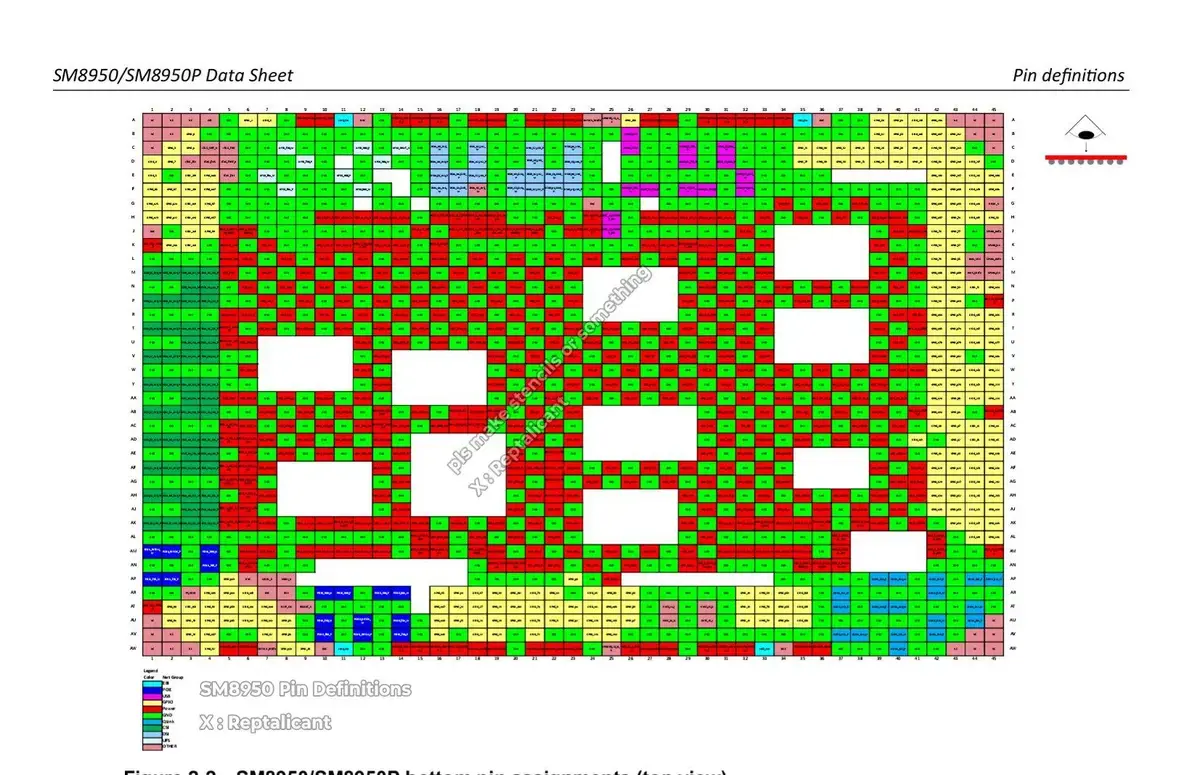
Manufacturing Costs Increase With 2nm Technology
Qualcomm’s efforts to streamline costs are being challenged by the adoption of the sophisticated 2nm node from TSMC. Market analysts suggest that the initial N2 node production structure will directly impact the wholesale price of these processors. Although rumors suggest that Qualcomm might consider the N2P process to gain an edge over competitors like Apple, the company is expected to maintain a cost-sensitive approach for the standard Gen 6 model to keep devices affordable for consumers. 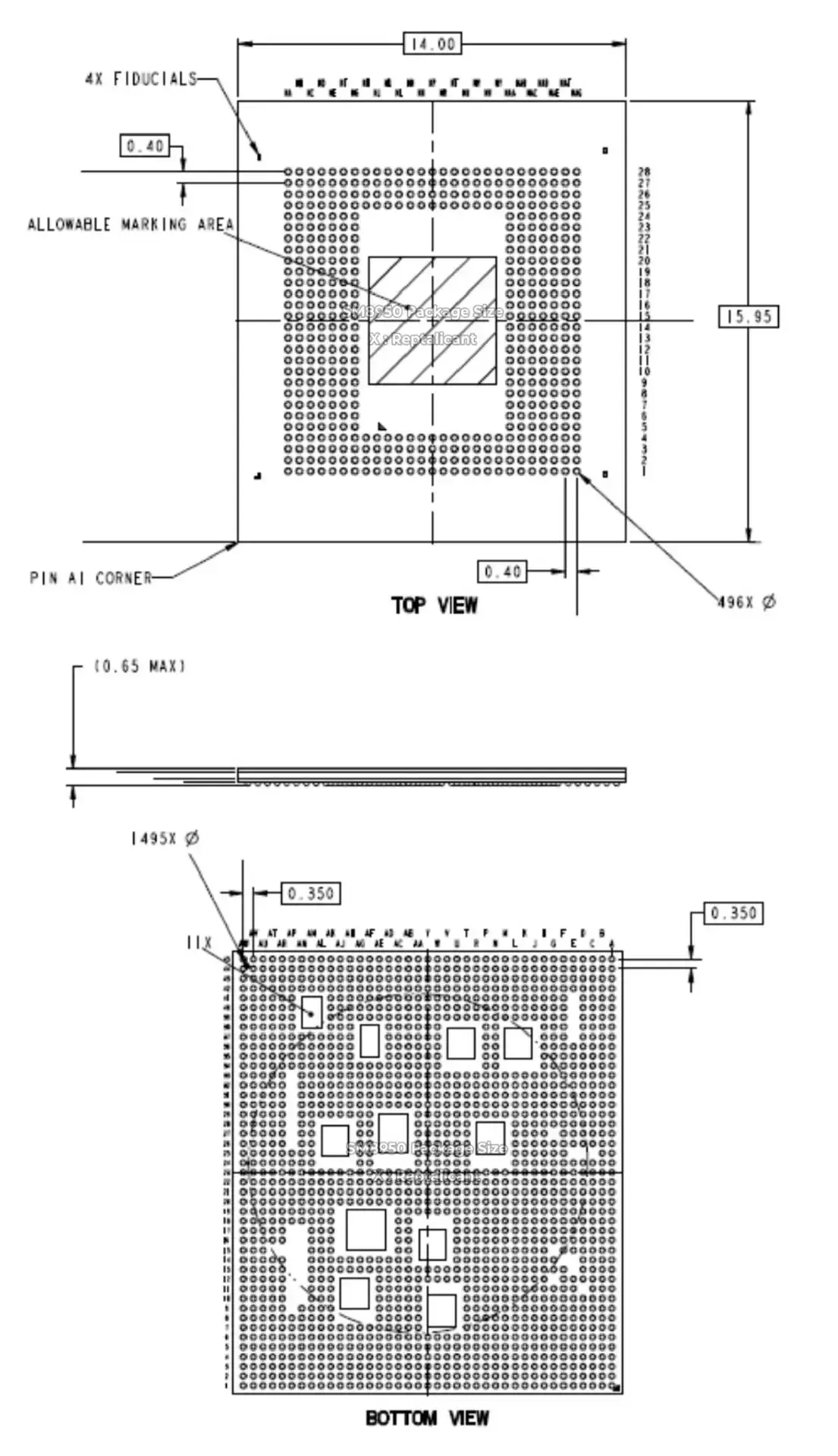
Advanced 2nm production technology leads to an inevitable rise in chip pricing.
The current global smartphone market is facing significant headwinds, including component supply chain disruptions and a general slowdown in consumer demand. Qualcomm is navigating this difficult environment by focusing on a strategic pricing model for the Snapdragon 8 Elite Gen 6 to revitalize its revenue streams. The industry is now watching closely to see how smartphone manufacturers will integrate these chips into their future product lineups and whether these costs will ultimately be passed down to the end user.
How do you think Qualcomm’s decision to maintain the same package size while shifting to 2nm technology will affect the final retail prices of upcoming flagship smartphones? Would the hardware differences between the standard and Pro versions influence your next purchase decision? Share your thoughts in the comments section below.
Your comment has been submitted,
it will be published after approval.