
Removable Batteries Return to Smartphones by 2027

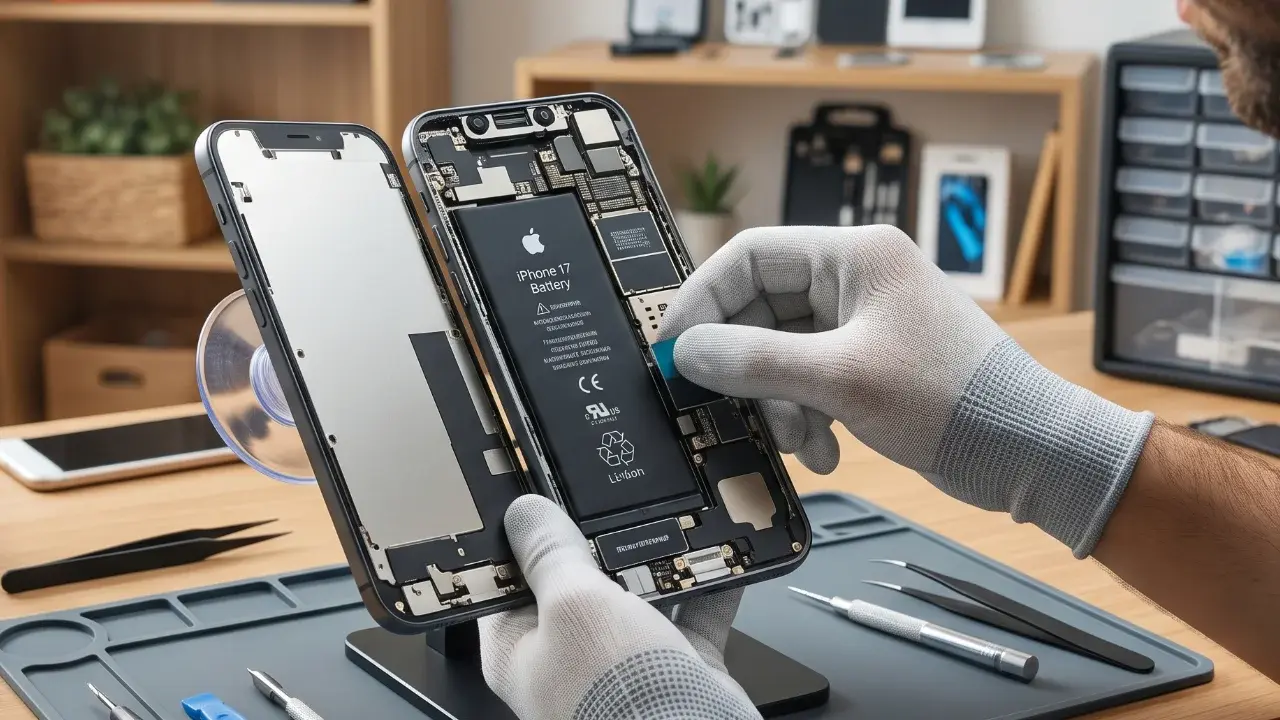
A landmark regulation passed by the European Union mandates that all smartphones and tablets sold within its jurisdiction must feature user-replaceable batteries by February 2027. This significant legislative shift, approved by the European Parliament and the Council, aims to combat the growing crisis of electronic waste and promote long-term device sustainability. By forcing manufacturers to abandon the current trend of sealed, glue-heavy designs, the EU intends to empower consumers to extend the lifespan of their electronic gadgets significantly. This policy represents a major turning point for the global tech industry, requiring a fundamental redesign of hardware architectures to ensure that batteries can be swapped without professional intervention.
- The European Union mandates user-replaceable batteries for mobile devices starting in February 2027.
- New regulations target both smartphone and tablet manufacturers to reduce electronic waste.
- Legislation requires that battery replacements occur without the need for specialized tools.
- Specific industrial and waterproof devices receive exemptions from these new design standards.
Sustainability Goals Define New Industry Standards
For over a decade, major technology companies have prioritized sleek, unibody aesthetics and advanced water resistance, often at the expense of repairability. The upcoming EU mandate forces these manufacturers to reconsider their design philosophies entirely. Enabling users to replace exhausted batteries independently is expected to have a profound impact on the total hardware life cycle of modern devices.
Consumers will be able to restore their devices instead of discarding them once the battery health declines.
The regulation stipulates that the battery replacement process must be accessible to the average user, requiring no specialized tools or complex disassembly. This requirement poses a significant engineering challenge, as it forces companies to reorganize internal components. While industry representatives have voiced concerns regarding increased production costs and potential bulkier designs, European officials emphasize that the long-term environmental benefits far outweigh these manufacturing hurdles.

The industry must now pivot toward modularity, ensuring that internal connectivity and structural integrity are maintained despite the shift toward removable power sources. This transition period gives manufacturers roughly three years to overhaul their global supply chains and assembly lines to meet the strict European requirements.
Some Specialized Device Categories Qualify for Exemptions
Not every electronic device will be subject to these rigorous design changes. The regulation includes specific provisions for devices that require high-level water resistance or rely on complex, specialized industrial designs. These exemptions ensure that high-end, premium smartphones and professional-grade tablets can maintain their specialized aesthetic and functional profiles.
Global technology firms are currently revising their manufacturing strategies to comply with these legal requirements within three years.
Despite these specific exceptions, the vast majority of consumer electronics will fall under the new mandate. The shift marks a definitive departure from the “disposable” era of tech, signaling a move toward a circular economy. As February 2027 approaches, the market is bracing for a total transformation in how portable electronics are conceptualized, built, and maintained.
Do you believe that bringing back removable batteries will negatively impact the slim design or water resistance of future smartphones, or is repairability a more important priority for you? Share your thoughts and expectations in the comments section below.
Your comment has been submitted,
it will be published after approval.