
Kazuhiro Aoyama, the director behind Resident Evil 3: Nemesis, isn’t exactly thrilled or even sure about how Raccoon City is back on the map in Resident Evil 9: Requiem. In fact, he’s downright puzzled.
Resident Evil 9: Requiem stirs timeline questions

During a chat with YouTuber Under The Mayo, Aoyama expressed clear confusion about the return of familiar landmarks like the Raccoon City Police Department. His concern? These places were obliterated by a thermobaric missile at the end of Nemesis. That wasn’t a vague ending. It was a full-on apocalypse, complete with the infamous message: “Raccoon City has been literally wiped off the map.”

PlayStation quietly scrapped sequels to The Order: 1886, ending hopes for a trilogy fans had waited nearly a decade to see.
Canon versus chaos: What’s going on here?
Back in 1999, Aoyama’s decision to nuke the city wasn’t just a spectacle; it was meant to close the chapter on Raccoon City for good. It was the narrative equivalent of burning the bridge behind you. But now, Requiem appears to stroll right back across that bridge, with smoke and rubble but still-intact streets.
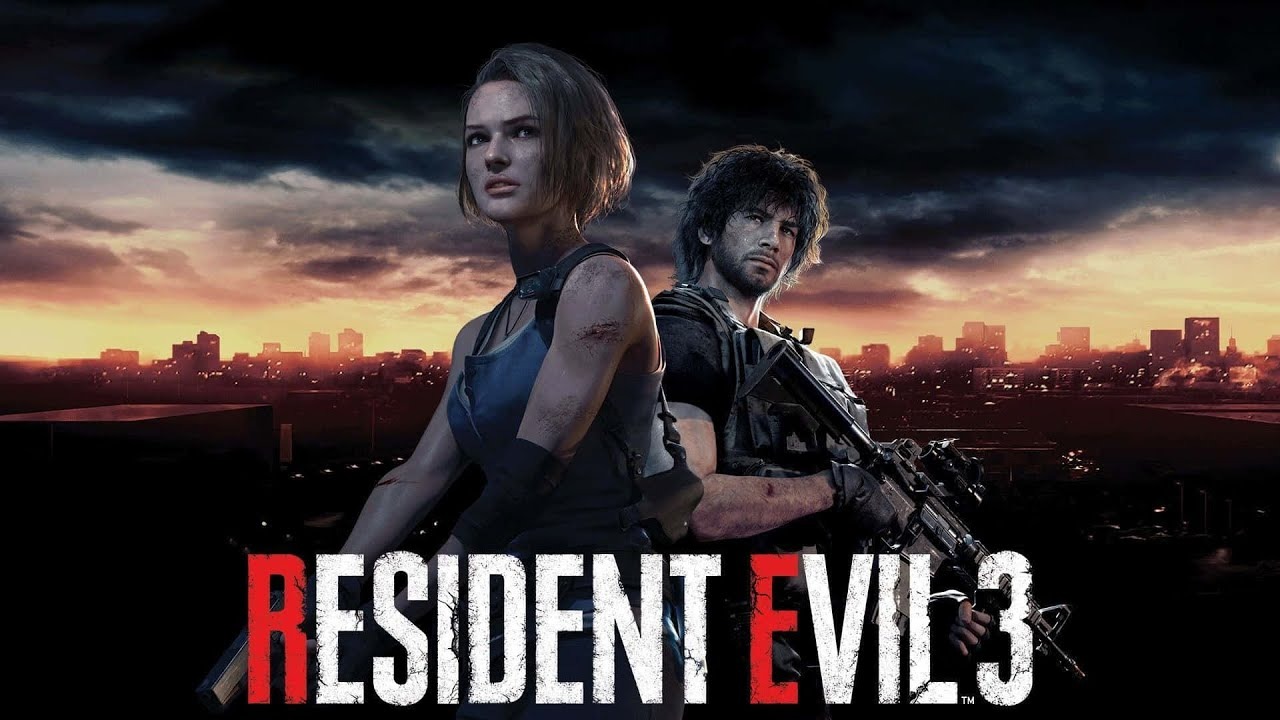
Here’s what makes this even more bizarre: Resident Evil 3 Remake preserved the missile ending, just with a more cinematic, less graphic aftermath. It focused on Jill Valentine’s escape, pulling the camera away before the full impact landed, but the city still fell.
Could time travel explain Raccoon City’s return?
Aoyama joked that time travel might be in play. Honestly, it’s not that far-fetched. Resident Evil has always dabbled in absurdity: clones, viruses, psychic kids, Las Plagas monks with rocket launchers. A few wibbly-wobbly time loops wouldn’t be a shock.
Still, fans haven’t ignored the inconsistency. Online, many are questioning whether Requiem is tossing canon into a blender just to bring back iconic locations.
Nakanishi admits logic took a backseat
Director Koshi Nakanishi seems aware of the narrative gamble. In an interview at Gamescom 2025, he said the team didn’t exactly run a detailed simulation of missile physics. Instead, they worked backward from a simple idea: “Let’s bring Raccoon City back.”
His team sketched out a hypothetical blast zone to justify what could survive. According to Nakanishi, “Revisiting some of these iconic locations isn’t necessarily realistic.” That line says it all. Realism wasn’t the priority; nostalgia was.
Resident Evil fans caught between nostalgia and narrative whiplash
Longtime players now face a choice: embrace the return of beloved landmarks or side-eye the blatant retcon. A few raised eyebrows are inevitable, but let’s be honest, Resident Evil has never been shy about bending the rules for a good thrill.
In this series, logic is optional. But blowing up a city and then un-blowing it up? That’s a twist even Wesker would struggle to pull off.