
Rising Memory Prices Force Return to DDR4 Technology

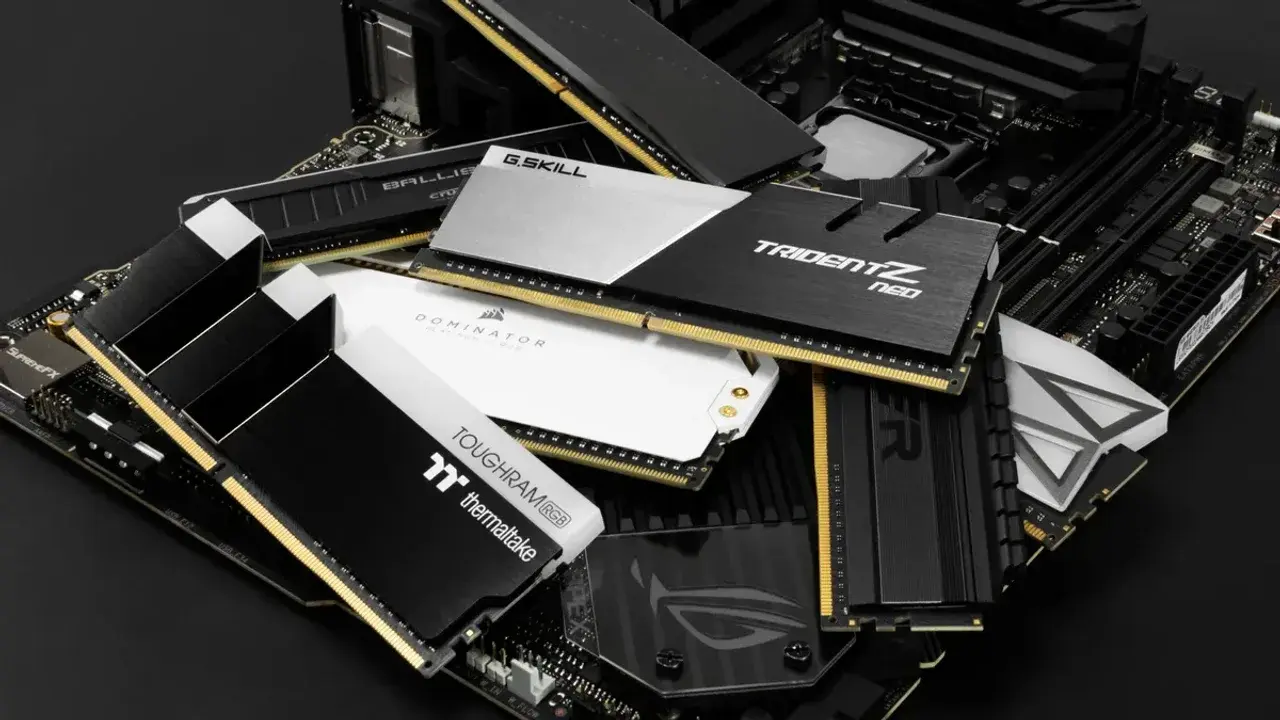
Due to the skyrocketing costs of modern hardware, both Intel and AMD are shifting their strategies back toward supporting older memory standards. To combat the prohibitive expense of new system upgrades, manufacturers are increasingly embracing DDR4 RAM technology once again. This industry-wide pivot, observed throughout 2024, aims to provide PC users with more affordable performance options as DDR5 prices remain significantly elevated. By re-integrating legacy support into current and upcoming processor architectures, hardware giants are prioritizing consumer accessibility over the exclusive adoption of newer, costlier memory modules.
- Intel and AMD are reintroducing support for DDR4 memory to mitigate the high costs associated with system upgrades.
- Gigabyte has expanded its motherboard support for the LGA 1700 socket to maintain compatibility with older, more affordable RAM kits.
- The price disparity between DDR4 and DDR5 memory modules remains significant, with some DDR5 kits costing more than double their DDR4 counterparts.
- AMD continues to support the longevity of its AM4 platform to offer budget-conscious users a reliable hardware alternative.
Intel Plans to Reintroduce Dual-Format Compatibility
Intel’s approach to the LGA 1700 socket highlights the current struggle between performance and affordability. Originally designed to bridge the gap between memory generations, the socket was briefly limited to DDR5 in recent iterations. However, industry reports suggest that upcoming processors expected by early 2027 will restore dual-format support. This strategic decision ensures that users can transition to newer CPUs without the financial burden of purchasing expensive DDR5 kits. 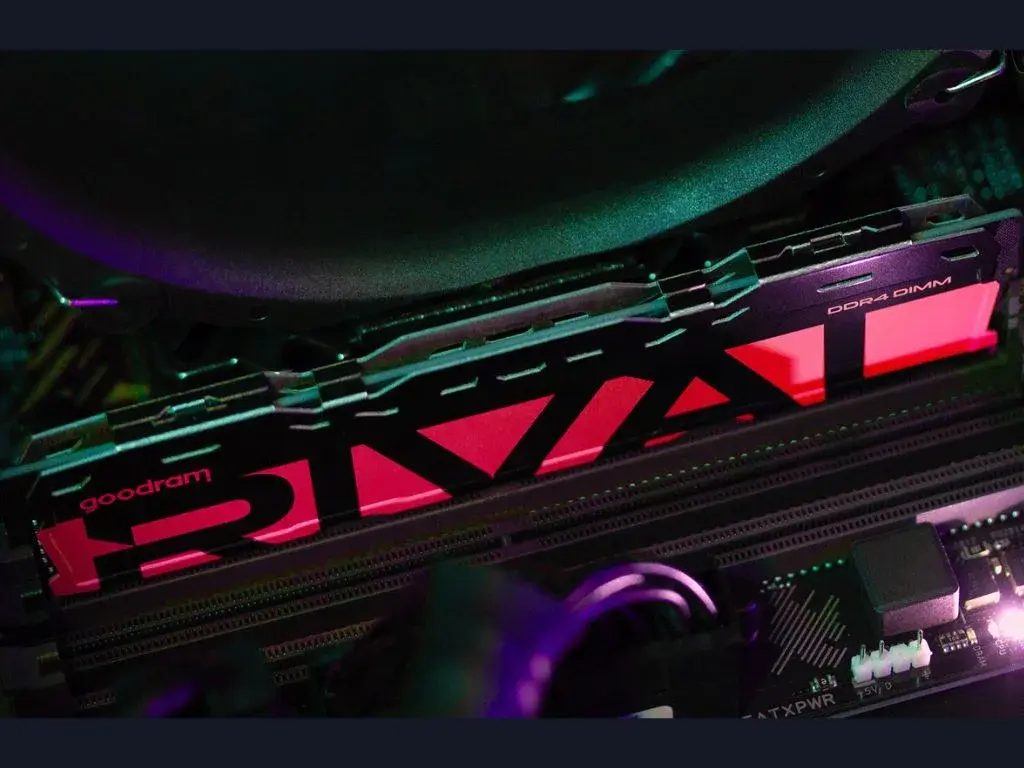 While official confirmation from Intel is still pending, this move would significantly simplify hardware upgrade paths for a wide range of consumers who are currently holding onto their existing DDR4 setups.
AMD Maintains the Longevity of the AM4 Platform
AMD has similarly recognized the persistent demand for cost-effective hardware, emphasizing the resilience of its AM4 platform. Gigabyte’s recent introduction of new motherboards for this long-standing socket underscores the continued viability of DDR4 technology. This commitment was further punctuated by the celebration of the tenth anniversary of the Ryzen 7 5800X3D processor, a chip that remains a powerhouse in many gaming builds today. Even though DDR5 promises superior bandwidth and energy efficiency, the market reality shows that many enthusiasts are unwilling to pay the premium required for these technical gains.
Price Disparities Define Current Market Trends
The economic motivation behind this trend is rooted in a stark price gap. A high-end 32GB DDR5 memory kit can retail for approximately 620 dollars, whereas an equivalent 32GB DDR4 kit is often available for around 260 dollars. This massive discrepancy makes it difficult for average users to justify the upgrade to newer platforms based on speed alone. As long as these price differences persist, the demand for older, well-established hardware standards will likely continue to dominate the mid-range and budget segments of the PC market. Experts suggest that waiting for prices to stabilize is a prudent strategy for anyone looking to build or upgrade their system in the current economic climate.
Given the substantial price gap between memory generations, do you believe the performance gains of DDR5 are worth the investment, or are you sticking with your reliable DDR4 setup? Share your thoughts and upgrade plans in the comments section below.
Your comment has been submitted,
it will be published after approval.