
Rising RAM Costs Threaten PlayStation 6 Price Strategy

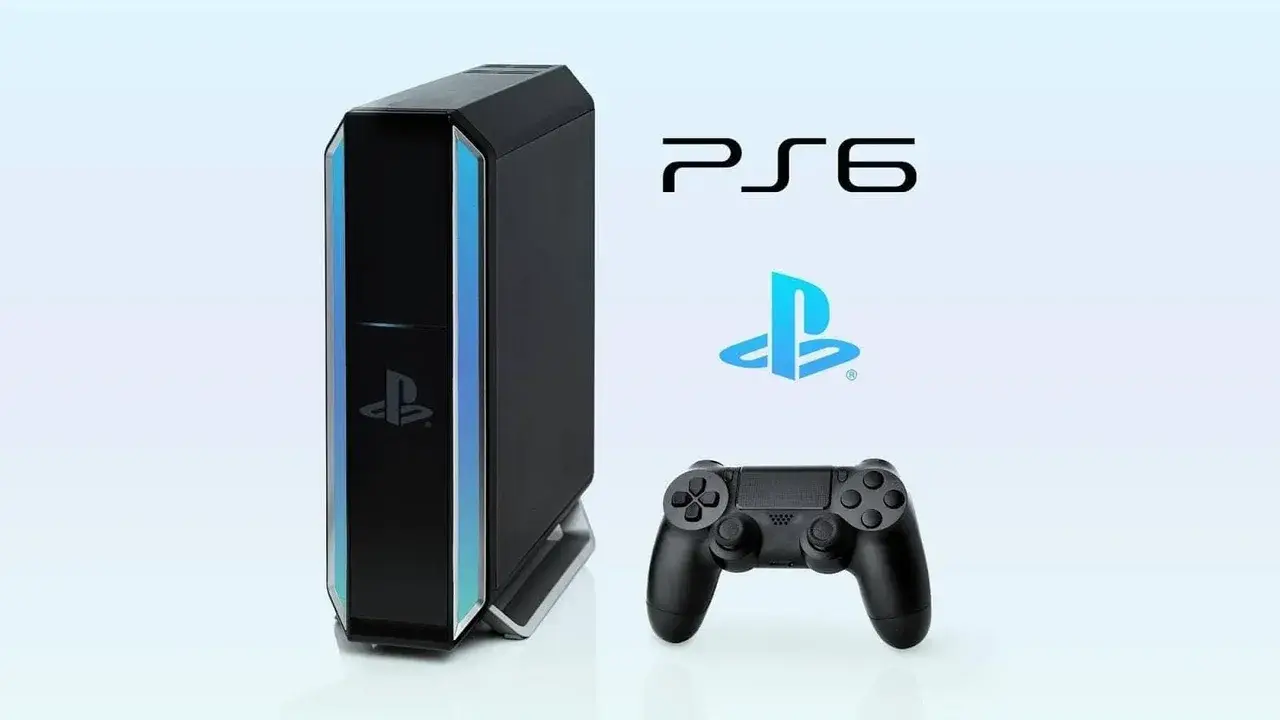
The gaming industry is facing significant concerns regarding the future production costs of the next-generation PlayStation 6, which is anticipated to launch between late 2027 and early 2028. Recent reports from industry analysts indicate that the estimated manufacturing cost of the console has surged from 760 dollars to 960 dollars in just a few months. This massive 200-dollar increase is primarily driven by a persistent global RAM shortage, creating significant uncertainty for Sony regarding its final retail pricing strategy. As the company navigates these economic challenges, stakeholders are closely monitoring how these production expenses will impact the ultimate market value of the console.
- Industry analysts report that the estimated manufacturing cost for the PlayStation 6 has increased from 760 dollars to 960 dollars.
- The ongoing global RAM and memory supply shortage continues to inflate hardware production expenses for major technology firms.
- Sony CEO Hiroki Totoki has confirmed that the company is adopting a cautious approach toward the console’s production timeline due to these cost pressures.
- Experts predict that memory prices may not stabilize until after 2030 due to the high demand from artificial intelligence infrastructure.
Memory Supply Shortages Are Driving Up Production Costs
The global semiconductor market is currently grappling with a severe bottleneck in memory procurement, directly impacting the development of next-generation hardware. Sony finds itself in a challenging position, as the costs of essential components like RAM are no longer stable. 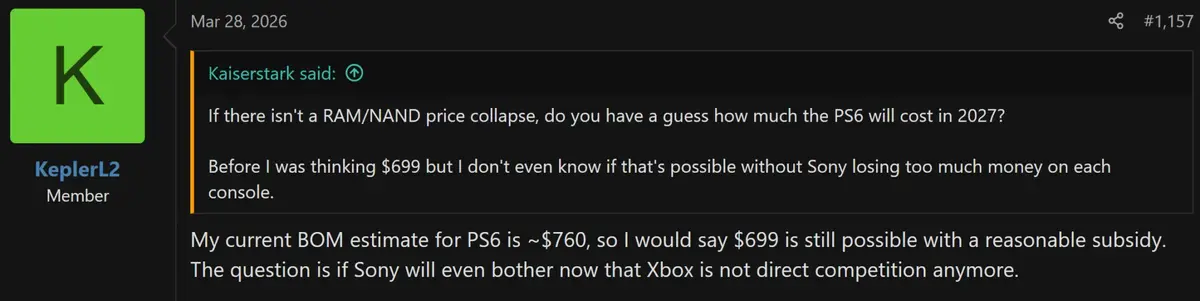 Due to limited alternatives in the supply chain, many technology giants are being forced into long-term, high-priced contracts with memory manufacturers to ensure a consistent supply for their upcoming products.
The escalating cost of components suggests that the PlayStation 6 may reach a retail price point far beyond current consumer expectations.
Sony Leaders Are Adopting a Cautious Strategy
During recent quarterly financial discussions, Sony CEO Hiroki Totoki addressed the growing concerns surrounding the PlayStation 6 project. He emphasized that the company is not in a rush to finalize hardware plans given the current volatility in the memory market. 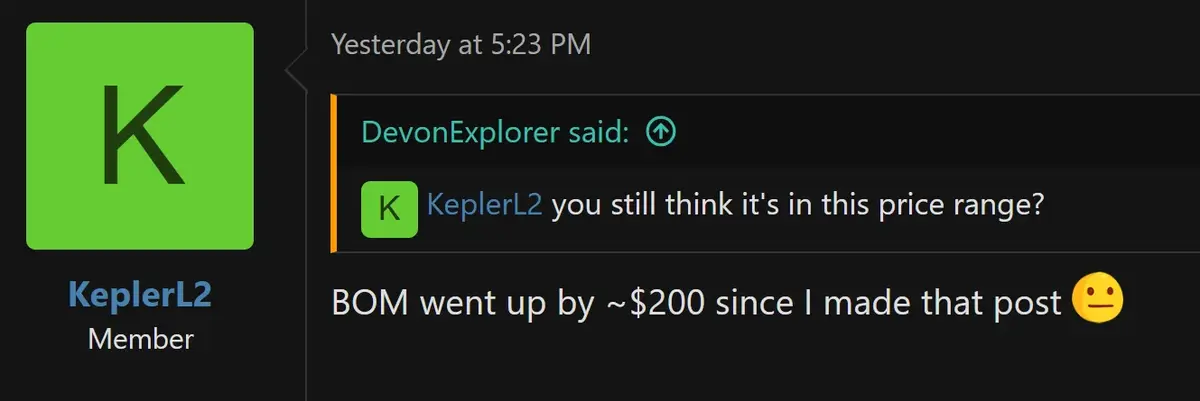 By taking a more measured approach, Sony hopes to mitigate the risks associated with the high cost of components and the unpredictable nature of the global supply chain.
Artificial Intelligence Demands Are Affecting Hardware Markets
The broader tech sector is feeling the impact of these market conditions, largely due to the massive surge in demand for AI-related hardware. As data centers and AI infrastructures consume a vast majority of the available high-speed memory, consumer electronics manufacturers are facing stiff competition for resources. Industry experts warn that this supply-demand imbalance is likely to persist for years, potentially delaying any relief in hardware production costs until at least 2030.
Long-term supply contracts are currently restricting the ability of console manufacturers to negotiate favorable pricing for critical memory components.
As Sony continues to balance innovation with financial sustainability, the path toward the next console generation remains fraught with economic obstacles. The company’s final decision on the console’s pricing will likely reflect a compromise between maintaining high-end performance and ensuring the product remains accessible to a wide audience despite the rising manufacturing overhead.
Given the current economic landscape and the surging costs of essential hardware components, how much are you willing to pay for the next generation of gaming consoles, and do you believe a higher price is justified by technological advancements?
Your comment has been submitted,
it will be published after approval.