
Robotaxi Autonomous Driving Race: Waymo Versus Tesla

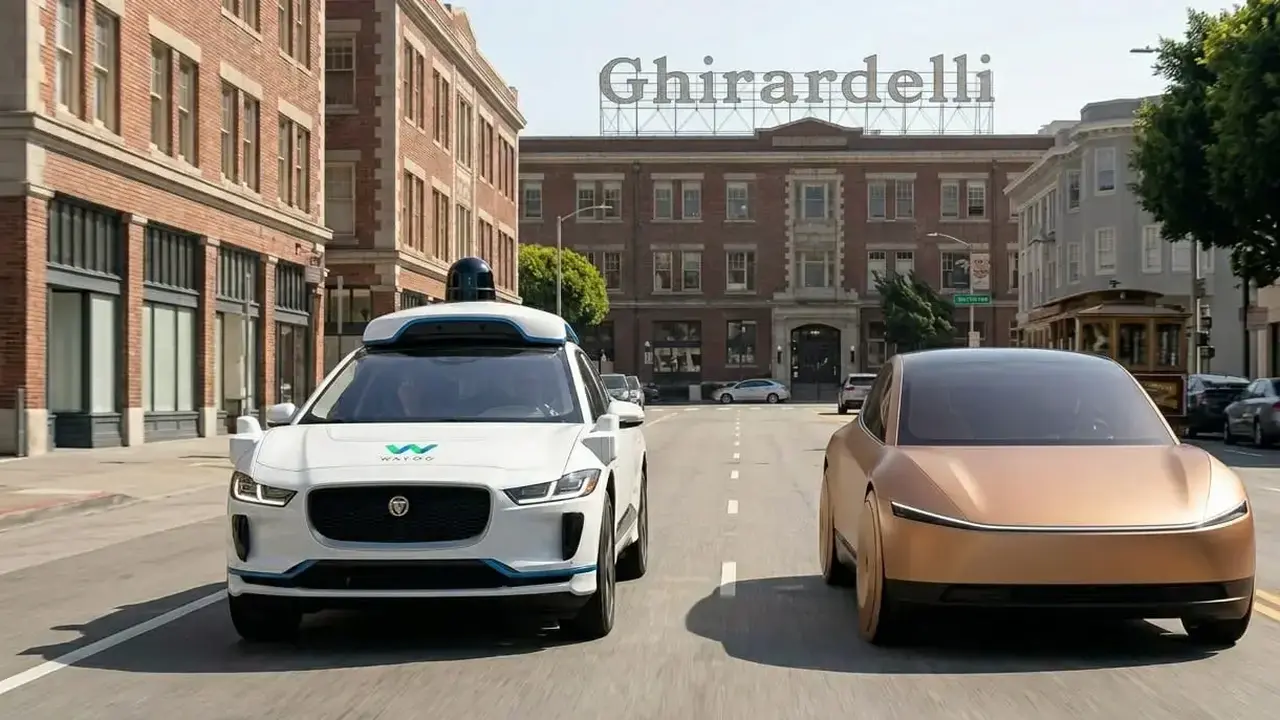
The automotive industry is undergoing a radical shift toward autonomous transportation, with Waymo and Tesla emerging as the two primary titans defining the future of the robotaxi autonomous driving sector. While Alphabet-owned Waymo has spent years accumulating billions of miles of real-world operational data in major U.S. cities, Tesla is pushing a disruptive vision centered on its Cybercab and pure artificial intelligence. As these companies vie for dominance, they represent two fundamentally different engineering philosophies that will determine how millions of people commute in the coming decade. This high-stakes competition is currently reshaping urban mobility standards and regulatory landscapes across North America.
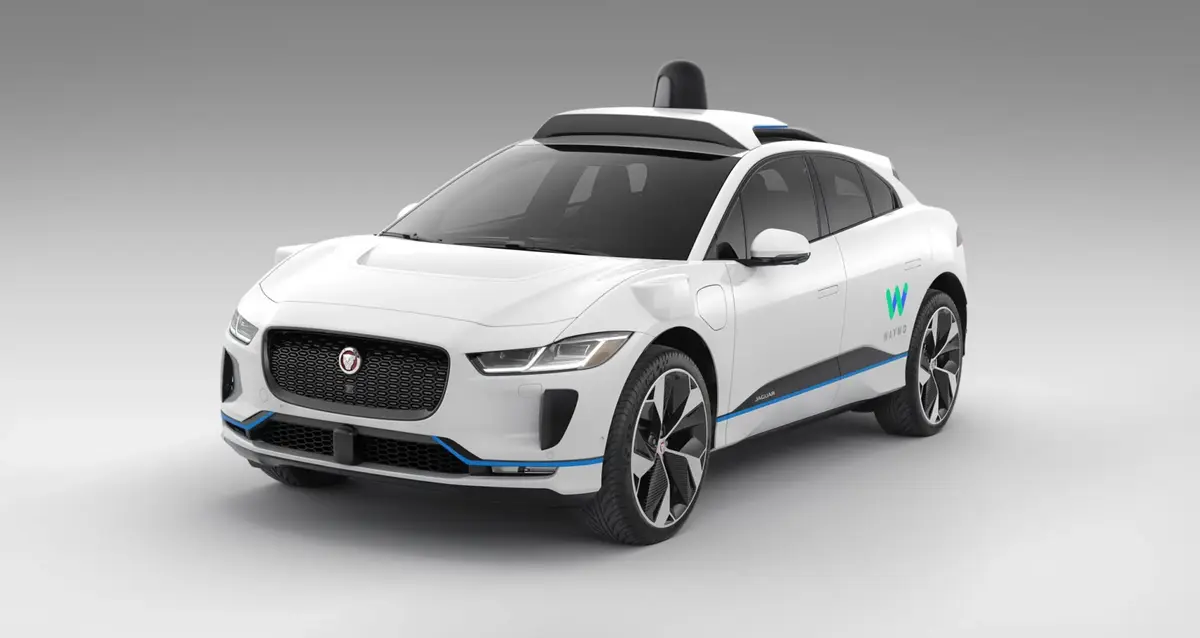
- Waymo utilizes a sensor-heavy approach incorporating LiDAR, radar, and cameras to map environments with high precision.
- Tesla relies exclusively on vision-based systems and end-to-end artificial intelligence to navigate without high-definition maps.
- Regulatory approval processes remain a significant barrier for Tesla’s radical Cybercab design compared to Waymo’s traditional vehicle platforms.
Engineering Philosophies Differ Significantly Between Competitors
To understand the trajectory of this race, one must examine how each system perceives the environment. Waymo operates under a conservative engineering philosophy that prioritizes safety through redundancy. By equipping vehicles with a suite of LiDAR, radar, and high-resolution cameras, the system generates a flawless three-dimensional map of its surroundings in real-time. This methodology requires expensive hardware and meticulous high-definition mapping of every operating city, which slows down rapid geographical expansion but ensures extreme precision.
Conversely, Tesla rejects the necessity of LiDAR, arguing that human drivers navigate successfully using only their vision. By feeding camera data into advanced neural networks, Tesla aims to create a scalable system that functions anywhere without pre-mapped infrastructure. While this approach dramatically reduces manufacturing costs and offers theoretical global freedom, the system faces scrutiny regarding its reliability during extreme weather or unpredictable road scenarios.
The industry is currently searching for a balance between highly reliable, sensor-rich systems and cost-effective, AI-driven architectures.
Operational Capacities Vary Across Global Markets
The practical reality of current operations reveals a distinct gap in market maturity. Waymo has successfully scaled its service in San Francisco, Phoenix, and Los Angeles, completing hundreds of thousands of paid trips weekly. Through strategic partnerships with platforms like Uber, the company continues to expand its footprint into Florida and Texas. Regulators frequently view the Waymo model as a predictable, safe, and controlled operation.
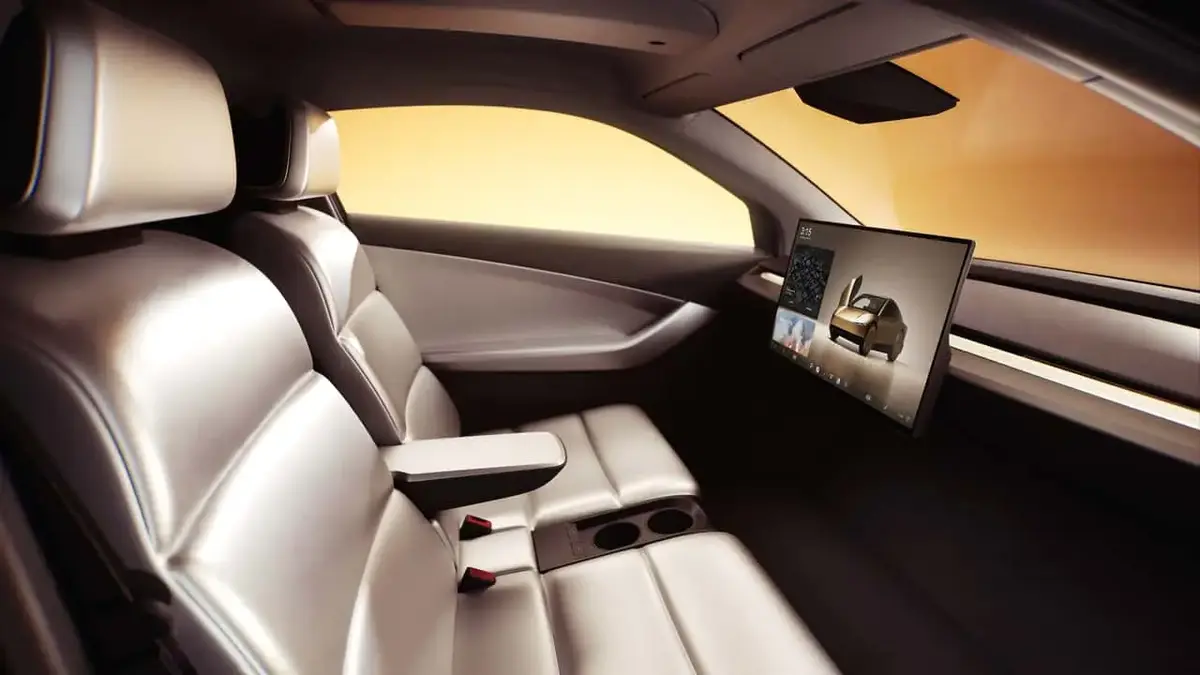
Tesla, meanwhile, is still in the developmental phase with its Cybercab. Although the vehicle features a futuristic design intended to eliminate steering wheels and pedals, it has not yet reached mass-market deployment. Tesla is currently utilizing small, supervised test fleets in regions like Texas to refine its technology. The company’s ultimate goal is to process data from millions of existing Tesla vehicles to perfect its software before launching a global, fleet-wide service.
Regulatory Standards Shape Future Commercial Success
The ultimate winner of the robotaxi autonomous driving race will be determined by government policy as much as software capabilities. Federal Motor Vehicle Safety Standards impose strict requirements on vehicles lacking manual controls. Waymo benefits from using traditional vehicle platforms like the Jaguar I-Pace, which eases the path to legal certification. In contrast, Tesla’s radical Cybercab design requires the creation of entirely new legislative frameworks to allow for widespread public road use. As both companies proceed, the market will serve as the final testing ground for these competing visions of the future.
Do you believe the future of autonomous transit lies in sensor-heavy precision or pure artificial intelligence? Share your thoughts on whether you would feel comfortable riding in a steering-wheel-less robotaxi today.
Your comment has been submitted,
it will be published after approval.