

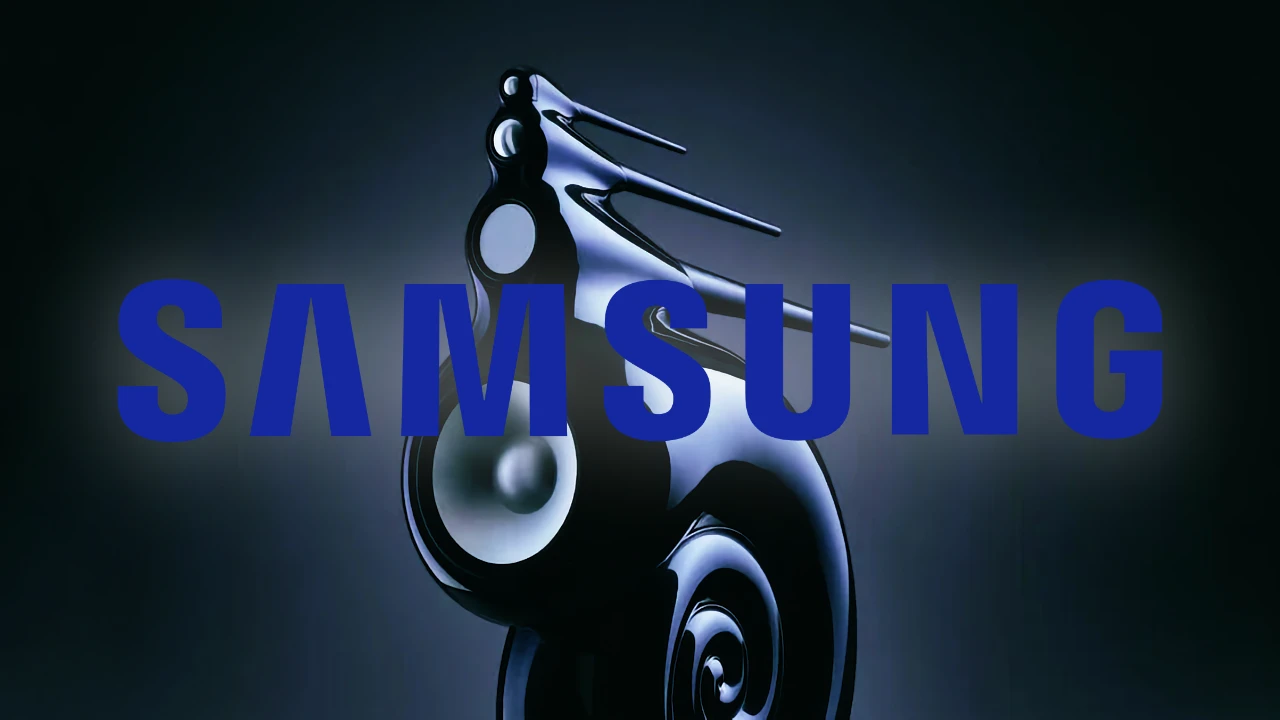
South Korean technology giant Samsung made its intentions clear in this area by acquiring automotive and audio technology giant Harman International for a record $8 billion in 2016. Now, it continues to reap the rewards of this massive investment. The company announced the official acquisition of the Masimo Consumer Audio group through Harman International, a new $350 million operation. This acquisition, first hinted at last May, has resonated significantly in the technology and audio industries.
Samsung’s New Jewels: A Gallery of Audio Brands
This acquisition brings Samsung not only market share but also a decades-long engineering legacy and prestige. The brands added to Samsung’s portfolio are a veritable stellar lineup in the audio world:

Bowers & Wilkins (B&W): A British legend considered the benchmark for pure, pristine sound, from music studios to luxury home theater systems.
Denon and Marantz: Two established Japanese brands in the Hi-Fi (high-fidelity audio) world. They are particularly known for their expertise in AV receivers, amplifiers, and turntables.
Polk Audio and Definitive Technology: Two key players, particularly strong in the American market, with a strong presence in high-performance speakers and home theater systems.
Boston Acoustics, Classé, and HEOS: Reputable and niche brands, each appealing to a specific user base in their respective fields.
Behind the Scenes of the Strategic Move: Completing the Ecosystem
According to industry analysts, this move is a key step in Samsung’s strategy to create a seamlessly interconnected “ecosystem” of devices, rather than simply selling individual products. As the world’s largest TV manufacturer, Samsung already owns the largest screens in living rooms. Now, it gains the power to combine this visual feast with the ultimate audio experience.
It wouldn’t surprise anyone to see Samsung’s QLED or Neo QLED televisions released in special editions like “Sound by Bowers & Wilkins” or “Tuned by Marantz.” Similarly, Galaxy smartphones and tablets are expected to offer deeper integration with these brands’ wireless audio technologies. This is seen as a strong response to the audio ecosystem established by Samsung’s biggest rival, Apple (with Beats and its own AirPods line).
Market Impact and Future Prospects
This acquisition also reflects the consolidation in the audio technology market. A smaller number of large companies now control a larger number of brands. This could have both advantages and disadvantages for consumers.
Expectations:
Technology Sharing: Samsung’s vast R&D strength and software capabilities could be integrated into the products of these established audio brands. For example, we could see smarter, AI-powered audio settings or full compatibility with Samsung’s SmartThings smart home platform.
New Product Categories: Thanks to Samsung’s distribution network and marketing power, these premium brands could expand into new markets or product segments they haven’t previously entered.
Increasing Competition: Samsung’s move could push other tech giants like Sony, LG, and Panasonic to strengthen their own audio solutions or form new partnerships.
However, the most critical question is whether Samsung can maintain the identities and engineering cultures of these iconic brands. Audiophiles have long preferred these brands for their distinctive sound character and quality. Respecting this legacy while managing the brands autonomously will be key to Samsung’s success.
In conclusion, this $350 million investment is not just an acquisition for Samsung, but a bold declaration of its vision to be at the center of the connected home and entertainment experience of the future. The tech giant is now determined to deliver the ultimate appeal not only to the eyes but also to the ears.