
Samsung Boosts Exynos 2600 with AI Graphics Optimization

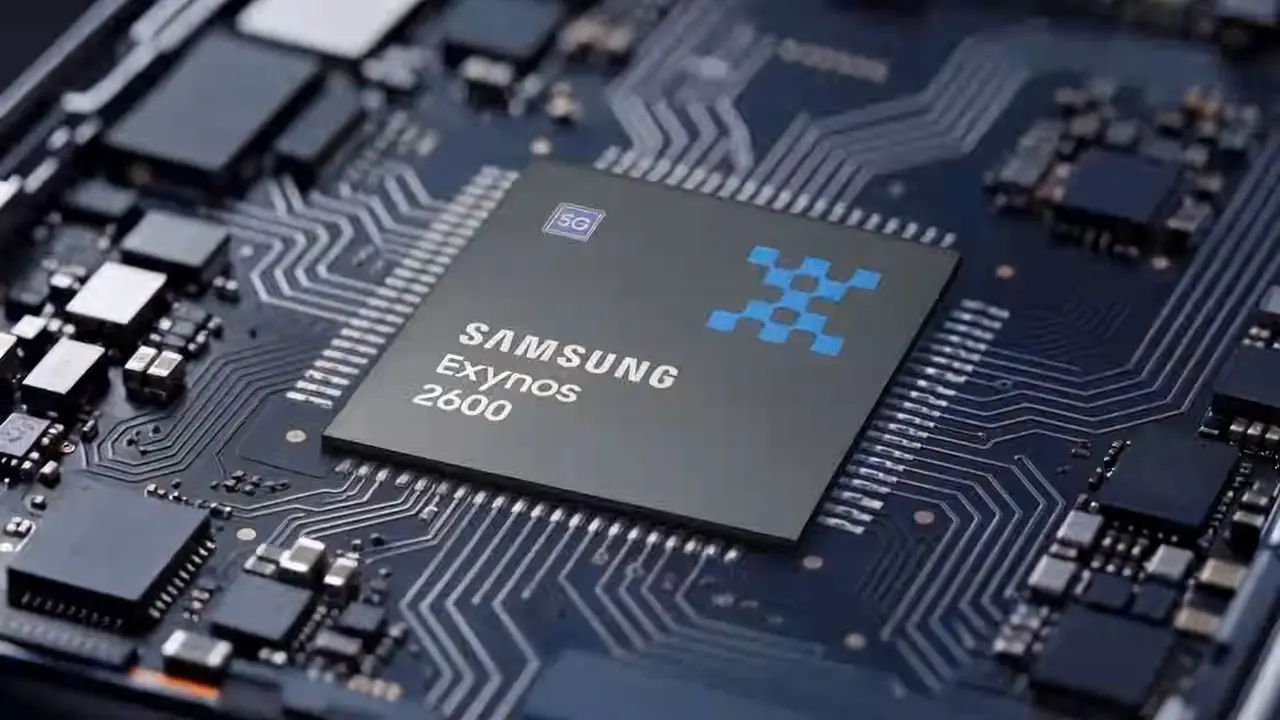
Samsung has officially integrated its advanced Exynos Neural Super Sampling (ENSS) technology into the Exynos 2600 chipset, marking a significant milestone in mobile graphics performance. As the company’s first 2nm mobile processor built with Gate-All-Around technology, the Exynos 2600 powers the latest Galaxy S26 series, delivering enhanced visual fidelity through proprietary artificial intelligence. By implementing ENSS, Samsung aims to reduce the computational strain on the GPU, ultimately achieving higher power efficiency and superior frame stability during intensive tasks. This technological leap ensures that mobile devices maintain peak performance levels while managing thermal output more effectively than previous generations.
- The Exynos 2600 utilizes 2nm Gate-All-Around technology to support AI-driven ENSS graphics optimization.
- Neural Frame Generation and image reconstruction reduce the computational load on the system GPU.
- Benchmark tests confirm a 15% performance advantage over competitor chipsets in graphics-intensive tasks.
- Samsung intends to implement ENSS technology across future iterations of the Exynos chipset lineup.
AI Technologies Improve Rendering Efficiency
The core of the ENSS system relies on sophisticated frame interpolation and image reconstruction algorithms. By leveraging artificial intelligence to predict and generate frames, the software reconstructs low-resolution imagery into high-quality output without requiring additional power from the GPU. Internal testing conducted by Samsung demonstrates that the software maintains clear and fluid visuals even during rapid camera movements or complex visual transitions within games.
The Exynos 2600 achieved the top ranking on the Basemark Power Board, confirming its status as a leader in mobile graphics stability.
Future Chipsets Will Adopt Enhanced Graphics
The performance gains provided by ENSS are particularly noticeable in ray-tracing environments, where the chipset outperforms current market rivals. These results suggest that the combination of 2nm architecture and AI-powered software creates a new standard for mobile gaming experiences. Samsung has already confirmed plans to expand the availability of this technology beyond the Exynos 2600.
Industry analysts anticipate that the upcoming Exynos 2700, intended for the Galaxy S27 series, will feature an even more refined version of this AI graphics suite.
As Samsung continues to push the boundaries of mobile silicon, the integration of ENSS represents a strategic shift toward software-defined hardware optimization. By focusing on AI-driven efficiency, the company provides users with a more sustainable and powerful mobile computing environment. This approach not only extends battery life during gaming sessions but also ensures that high-end graphics remain consistent across a variety of demanding applications.
How do you think AI-driven graphics optimization will change the future of mobile gaming on your smartphone? Share your thoughts in the comments section below.
Your comment has been submitted,
it will be published after approval.