
Samsung Confirms Exynos 2700 Chipset for Galaxy S27 Series

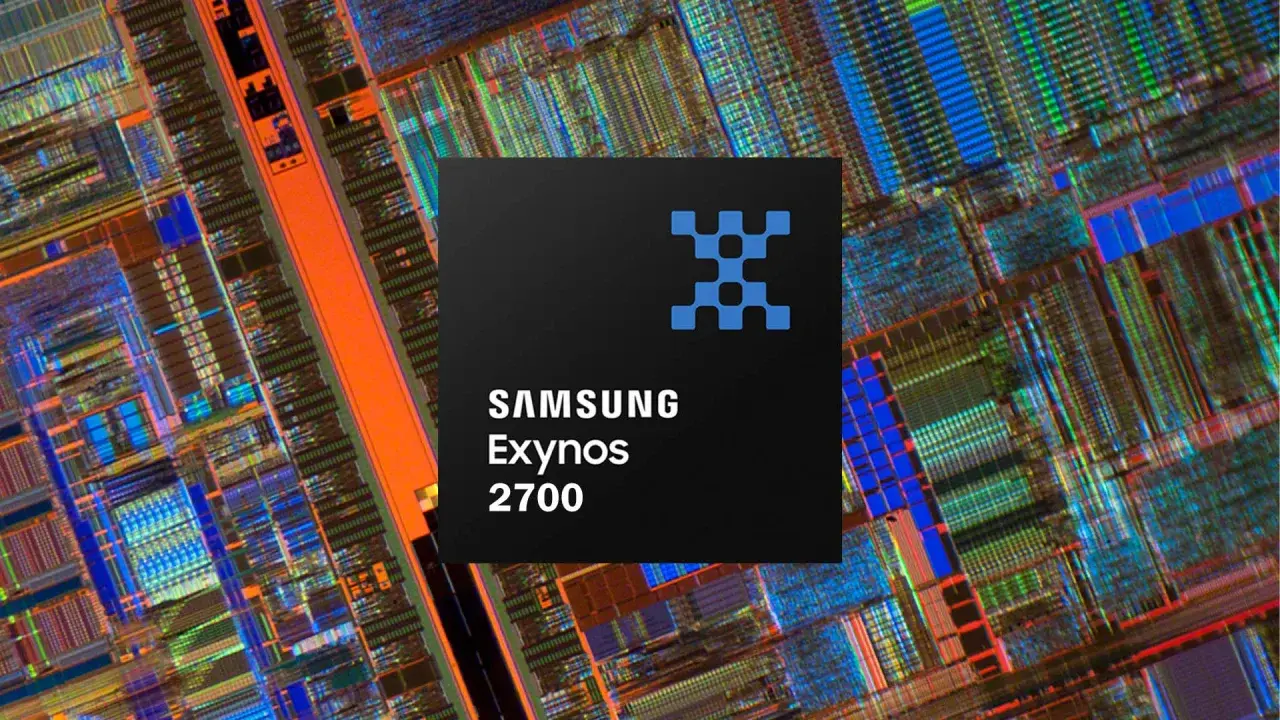
Samsung has officially confirmed the development of its next-generation flagship processor, the Exynos 2700, which is scheduled to power the upcoming Galaxy S27 series in 2027. Park Yong-in, President of Samsung’s System LSI Business, announced that the development process for this powerful chipset is progressing according to schedule without any significant setbacks. By integrating this in-house silicon into its flagship smartphone lineup, Samsung aims to reduce its dependency on third-party suppliers while enhancing both performance and thermal efficiency. This strategic move represents a major milestone in Samsung’s efforts to strengthen its own semiconductor ecosystem while preparing to compete directly with industry rivals.
- Samsung has confirmed that the Exynos 2700 chipset will debut in the Galaxy S27 smartphone series.
- The new processor utilizes the advanced 2nm SF2P GAA manufacturing process to improve performance.
- A novel Side-by-Side architecture and Heat Path Block technology are being implemented to optimize thermal management.
- Samsung expects to equip approximately 50 percent of its Galaxy S27 units with the Exynos 2700 to lower production costs.
Park Yong-in Confirms Development Goals for Galaxy S27
During a recent corporate internal meeting, Samsung Electronics System LSI President Park Yong-in addressed the progress of the company’s latest hardware initiatives. While the executive did not explicitly name the device, his statements regarding the timeline and technical specifications confirm that the Exynos 2700 is the designated engine for the 2027 flagship launch.
Samsung plans to secure its market position by utilizing the Exynos 2700 in half of the Galaxy S27 production volume.
The company currently employs a dual-sourcing strategy, relying on Qualcomm Snapdragon processors in specific markets while deploying Exynos chips in others. Increasing the adoption rate of its own silicon is expected to provide significant cost-saving benefits and greater control over the hardware-software integration of the Galaxy S27 series. 
New Architecture Improves Thermal Management Systems
The Exynos 2700 introduces a significant departure from previous designs through its innovative internal hardware layout. Unlike older models that stacked components, the new processor features a Side-by-Side arrangement where the Application Processor (AP) and DRAM units sit on the same substrate. This layout allows for the inclusion of a copper Heat Path Block, which effectively dissipates heat away from the chips. 
This thermal improvement is expected to boost memory bandwidth by 30 to 40 percent under heavy workloads. By maintaining lower operating temperatures, the chipset ensures that the device can sustain peak performance during gaming or intensive multitasking sessions without the thermal throttling issues that plagued previous generations.
Manufacturing Challenges Remain for 2nm Production
At the core of this chipset lies Samsung’s second-generation 2nm GAA (Gate-All-Around) manufacturing process, known as SF2P. Industry reports suggest that current yields for this high-end process hover around 60 percent. While this indicates potential production challenges and higher initial costs, the company continues to invest heavily to improve efficiency. 
Enhanced yield rates will be crucial for the long-term profitability of the Exynos 2700 platform.
Competition Intensifies in the Flagship Processor Market
The year 2027 is shaping up to be a defining moment for the smartphone industry, as the Exynos 2700 prepares to challenge the latest offerings from Qualcomm, such as the Snapdragon 8 Elite Gen 6 Pro. With AMD’s RDNA 4-based Xclipse GPU and advanced cooling solutions, Samsung is positioning its latest silicon as a formidable competitor. While Qualcomm maintains a slight edge in single-core performance, Samsung’s advancements in multi-core stability and thermal regulation could redefine the user experience for the next generation of mobile devices.
How do you feel about Samsung shifting back toward prioritizing their proprietary Exynos chips for the Galaxy S27 series, and do you believe these cooling improvements will finally solve thermal concerns? Share your thoughts in the comments section below.
Your comment has been submitted,
it will be published after approval.