
Samsung Galaxy A07s Launches With Modest Entry-Level Specifications

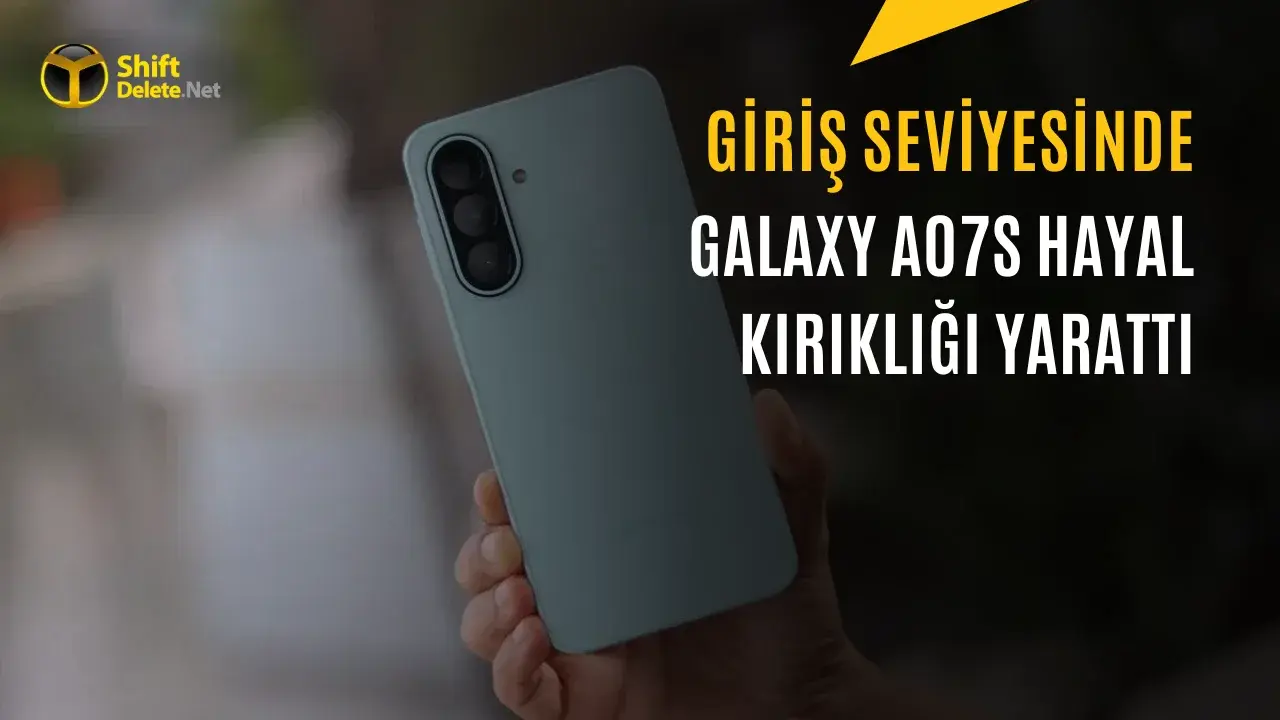
Samsung has officially expanded its budget-friendly smartphone lineup with the introduction of the Samsung Galaxy A07s, a device designed for users prioritizing essential connectivity. Launched in 2026, this entry-level model focuses on fundamental hardware, offering a 6.7-inch HD+ display and base memory configurations starting at 4 GB of RAM. While the market pushes toward higher storage and processing power, Samsung has opted for a conservative approach, pairing a MediaTek G99+ chipset with 64 GB or 128 GB of internal storage. The device aims to provide a reliable, long-term experience through extended software support, though its technical specifications remain firmly rooted in the entry-level segment.
- The Samsung Galaxy A07s features a 6.7-inch HD+ display with a 90 Hz refresh rate.
- The device is powered by the MediaTek G99+ chipset paired with either 4 GB or 6 GB of RAM.
- Samsung provides six years of software update support for this budget model.
- The handset is equipped with a 5000 mAh battery that supports 25W fast charging.
Hardware Limitations Restrict Potential Performance
The core hardware of the Galaxy A07s highlights a clear focus on cost-efficiency rather than high-end performance. The 6.7-inch screen, despite supporting a 90 Hz refresh rate, is limited to HD+ resolution, which may compromise visual clarity on such a large panel. Internally, the use of 4 GB of RAM as a starting point raises concerns regarding multitasking capabilities, especially as modern Android applications continue to demand more memory resources. 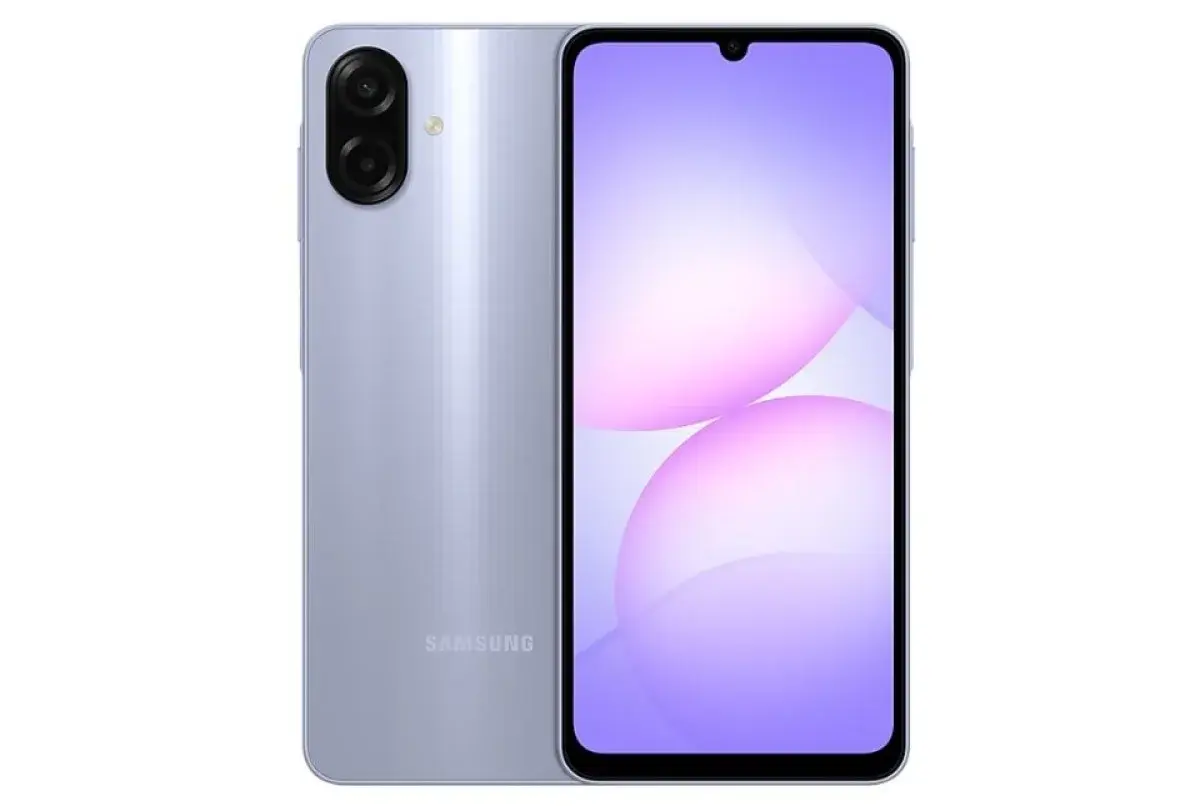
While the inclusion of the 6 nm MediaTek G99+ chipset provides a solid foundation for daily tasks, the 4 GB RAM and 64 GB storage configuration feels restrictive for a device entering the market in 2026. Users requiring a smoother experience for social media and multitasking may find the 6 GB RAM variant to be a more necessary investment to avoid potential bottlenecks.
Camera System Prioritizes Basic Functionality
Photography on the Galaxy A07s is handled by a dual-camera setup on the rear, led by a 50-megapixel primary sensor. This is paired with a 2-megapixel auxiliary sensor, which serves the device’s basic needs but lacks the versatility of ultra-wide or telephoto lenses. 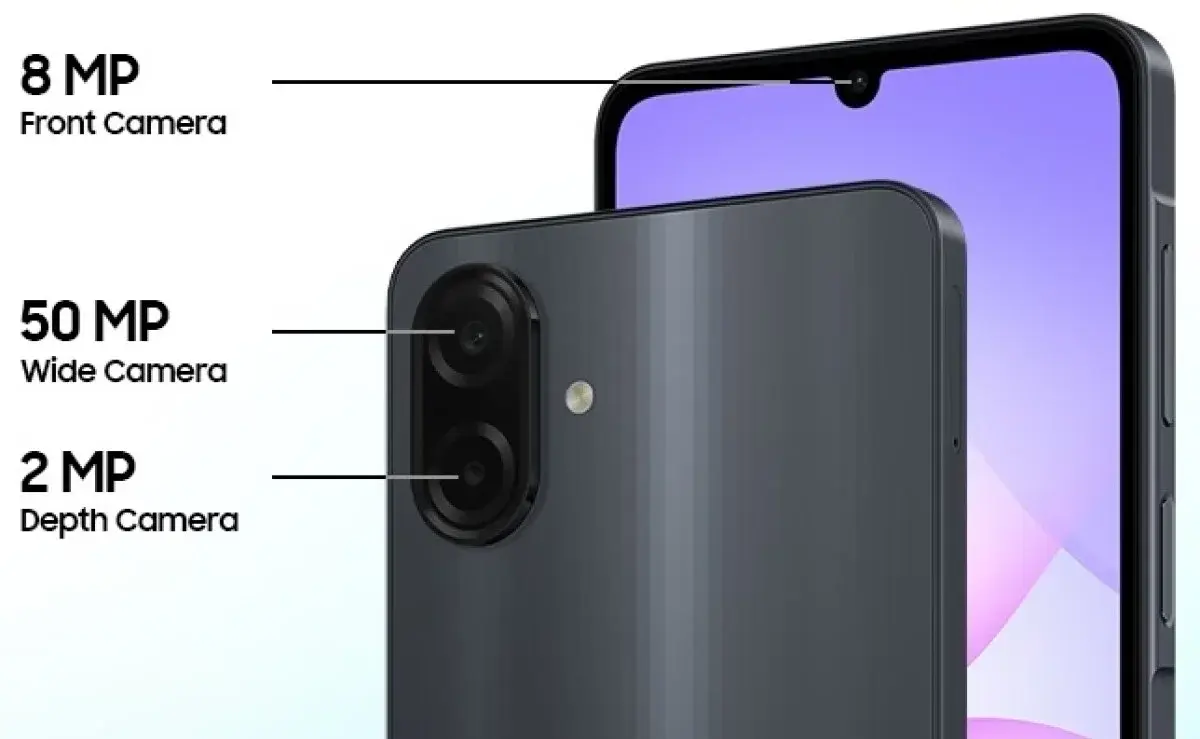 On the front, an 8-megapixel selfie camera occupies the screen, fulfilling standard requirements for video calls and casual portraits.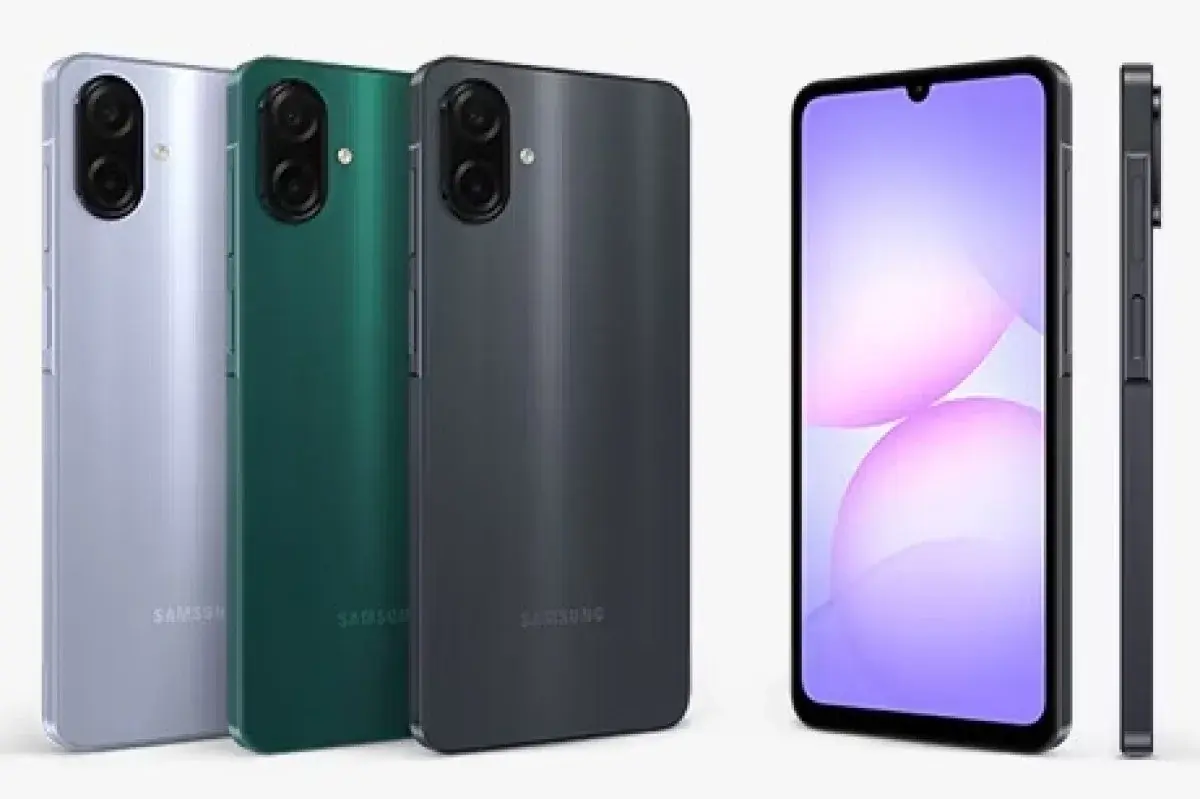
Battery Capacity Supports Extended Daily Usage
The smartphone houses a 5000 mAh battery, ensuring that users can comfortably get through a full day of moderate use. Charging is supported by a 25W fast-charging protocol, which is standard for this tier. Connectivity options include Bluetooth 5.3 and a 3.5 mm headphone jack, though the device is limited to Wi-Fi 5 standards. While the omission of Wi-Fi 6 suggests a cost-saving measure, the inclusion of a physical fingerprint reader and the long-term software commitment remain notable assets for the consumer.
Long-Term Software Support Challenges Hardware Longevity
Perhaps the most significant value proposition for the Galaxy A07s is Samsung’s commitment to providing six years of software updates. This strategy is intended to extend the lifecycle of the device; however, it creates a unique challenge regarding hardware aging. As system requirements evolve over the next several years, the entry-level hardware, particularly the 4 GB RAM version, may struggle to maintain optimal performance despite receiving the latest software patches. Consequently, the device succeeds as an entry-level smartphone, but its true performance over a six-year period remains a subject for observation.
We would love to hear your thoughts on this new release. Do you believe a 4 GB RAM and HD+ display setup is acceptable for an entry-level phone in 2026, or should manufacturers be setting higher hardware standards for budget devices?
Your comment has been submitted,
it will be published after approval.