
Skydance Era Begins with $110 Billion Paramount and Warner Merger

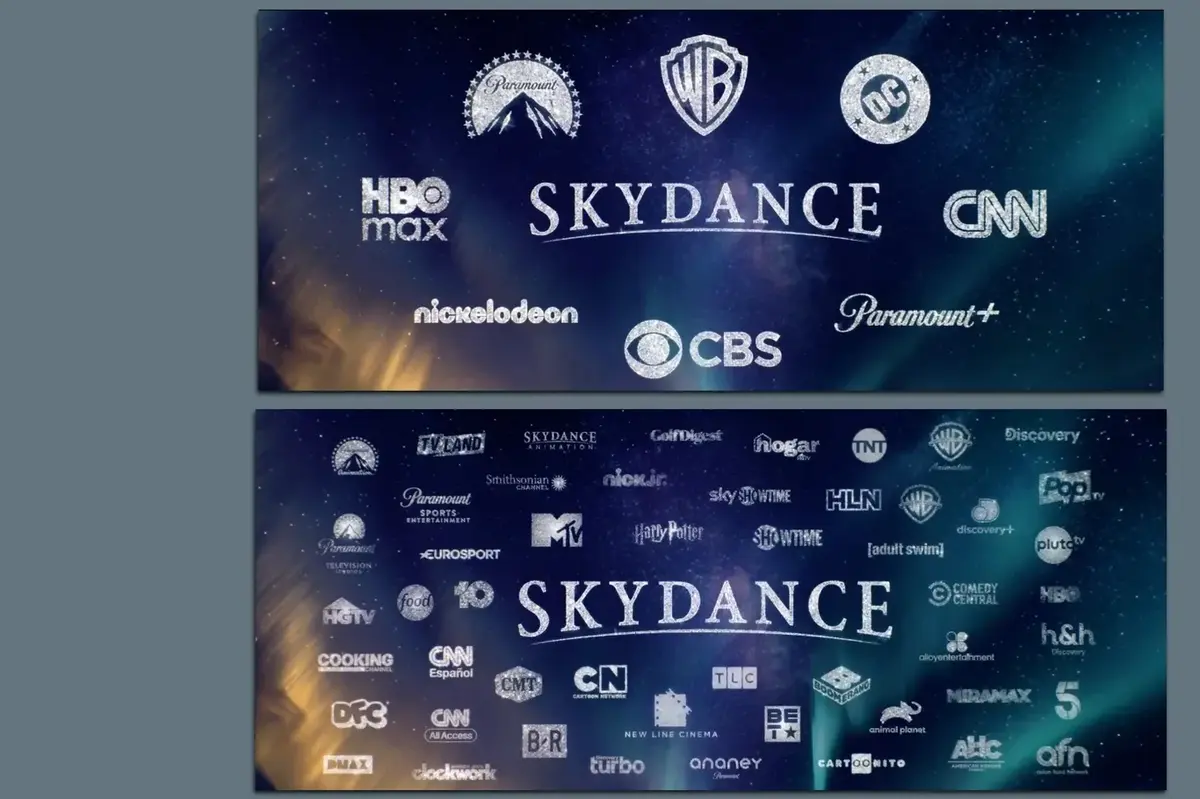
In a historic move that reshapes the global media landscape, the $110 billion merger between Paramount and Warner Bros has officially concluded, marking the start of the Skydance era. This massive consolidation brings together two industry titans under a unified corporate structure, integrating powerhouse platforms such as Paramount+ and HBO Max. By combining legacy networks like CBS, CNN, and MTV, the new entity aims to dominate the content distribution market. While this Paramount Warner Bros merger creates a media juggernaut, the deal has prompted immediate regulatory oversight to ensure fair market access and prevent monopolistic dominance in the digital streaming and theatrical sectors.
- The $110 billion merger establishes a new corporate entity under the Skydance brand.
- Paramount agreed to dissolve its UIP Turkey partnership to comply with local competition regulations.
- New licensing requirements mandate that the merged entity offers content to third-party platforms after a three-year exclusivity period.
- Contractual protections ensure that existing television channel agreements remain accessible to other distributors until 2029.
Competition Authorities Impose Strict Regulatory Conditions
To mitigate concerns regarding market concentration, the Turkish Competition Authority has granted approval for the merger only after imposing rigorous conditions. These mandates are designed to protect the variety of choices available to audiences in film distribution, pay-TV services, and digital streaming platforms. A primary requirement involves the total termination of Paramount’s participation in UIP Turkey, a joint venture previously controlled alongside Universal. Furthermore, the newly formed entity is strictly prohibited from entering into any future film distribution partnerships with Universal within the Turkish market.
Access to Content Remains a Competitive Priority
Beyond distribution logistics, the regulatory framework addresses the critical issue of content availability. To ensure that audiences are not locked into a single ecosystem, the authorities have mandated that both Paramount and Warner Bros must license their theatrically released films to other platforms after an initial three-year exclusivity window on their own services. This obligation remains in effect for a total of five years, forcing the company to participate in open market licensing practices.
Television Contracts Receive Extended Protections
The regulatory oversight extends deep into the television landscape as well. Current agreements regarding the distribution of popular TV channels are protected, allowing existing platform operators to extend their current contracts under identical terms through December 31, 2029. This measure prevents the combined media giant from abruptly pulling content from rival providers, ensuring that consumers maintain access to their favorite networks without being forced to migrate to a singular, consolidated platform.
By preventing the total monopolization of high-demand content, these measures aim to foster a healthy, competitive environment for both traditional broadcasters and emerging digital streaming services. The industry is now watching closely to see how this colossal shift will influence production strategies and, ultimately, the subscription costs for end-users in the coming years.
We are eager to hear your thoughts on this massive industry consolidation; how do you believe this $110 billion merger will reshape your personal viewing experience and the future of digital streaming?
Your comment has been submitted,
it will be published after approval.