

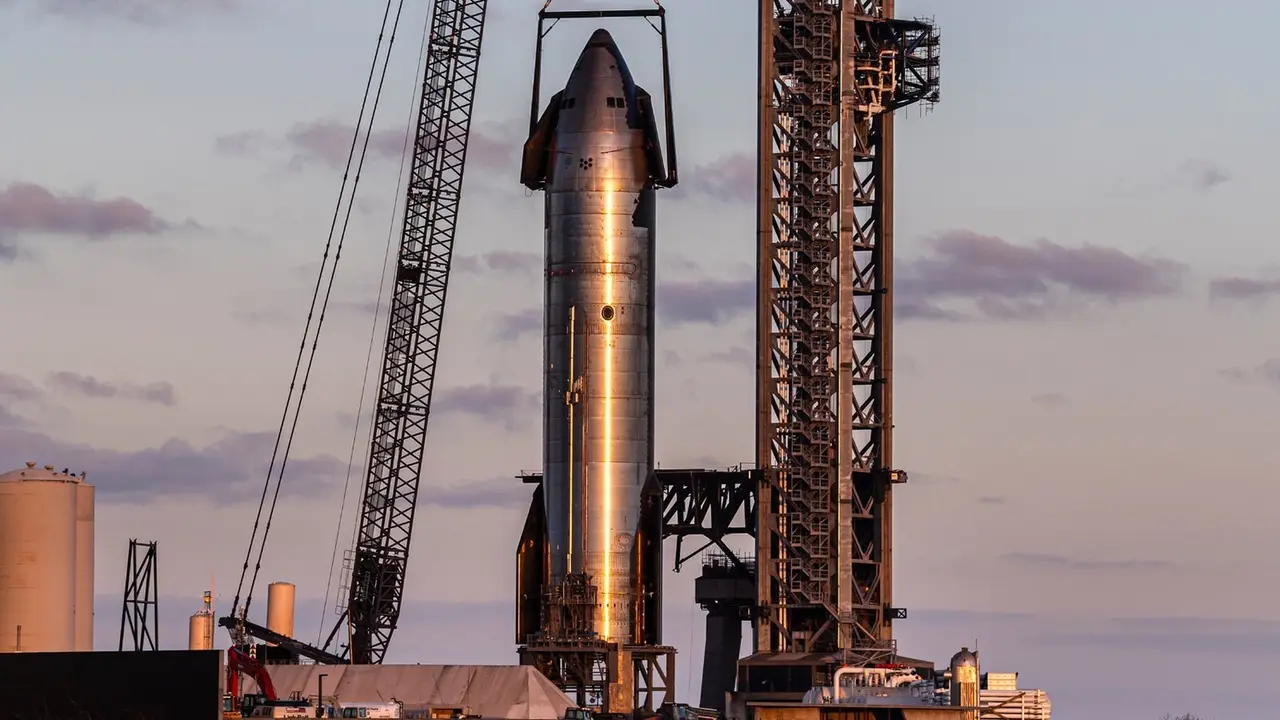
Starship HLS, the manned lunar rover developed by SpaceX as part of the Artemis program, is facing scheduling issues for its planned 2027 lunar mission. According to NASA security analyst Paul Hill, after visiting the Starbase facility in Texas, the rover’s schedule is extremely tight and the mission risks being delayed for years.
Starship HLS project experiencing setbacks
The primary reason for the delay is technical difficulties with cryogenic fuel transfer in orbit. Starship HLS needs to refuel in Earth orbit to land on the lunar surface, but SpaceX has not yet developed this technology.
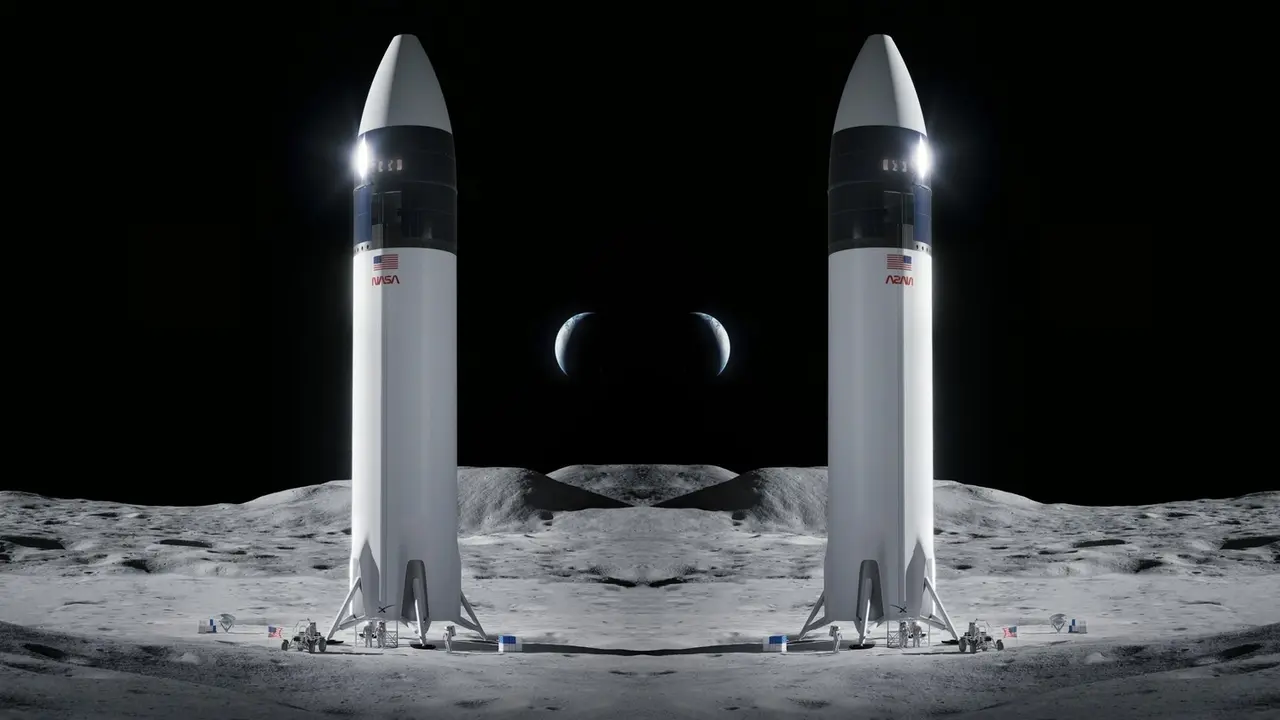
In microgravity, the inability to separate liquid and gas within the tank prevents proper fuel transfer. Cryogenic fuels, such as liquid oxygen and liquid methane, stored at very low temperatures, vaporize at even the slightest heat, leading to fuel loss and safety risks.
Sealing problems in tank connections and the insulation of the large Starship tanks are also slowing down the process. Additionally, ongoing design changes to the Raptor engines have significantly constrained progress.
SpaceX announced in 2023 that it would conduct an in-orbit refueling test by early 2025, but this has not yet occurred. Elon Musk recently stated that they will demonstrate the fuel’s reusability next year.
The US and NASA are collaborating with private companies on many phases of the Artemis mission. A delay in a critical component like SpaceX’s could result in China landing its own manned spacecraft on the Moon before the US by 2030.
Despite this, the second phase of the Artemis program, Artemis 2, is on schedule for a 2026 launch, carrying four astronauts around the Moon. The crewed lander, Artemis 3, is targeted for 2027. The last US manned lunar landing occurred in 1972 during the Apollo program.