
SteamOS Expands Support for Intel and Nvidia Hardware

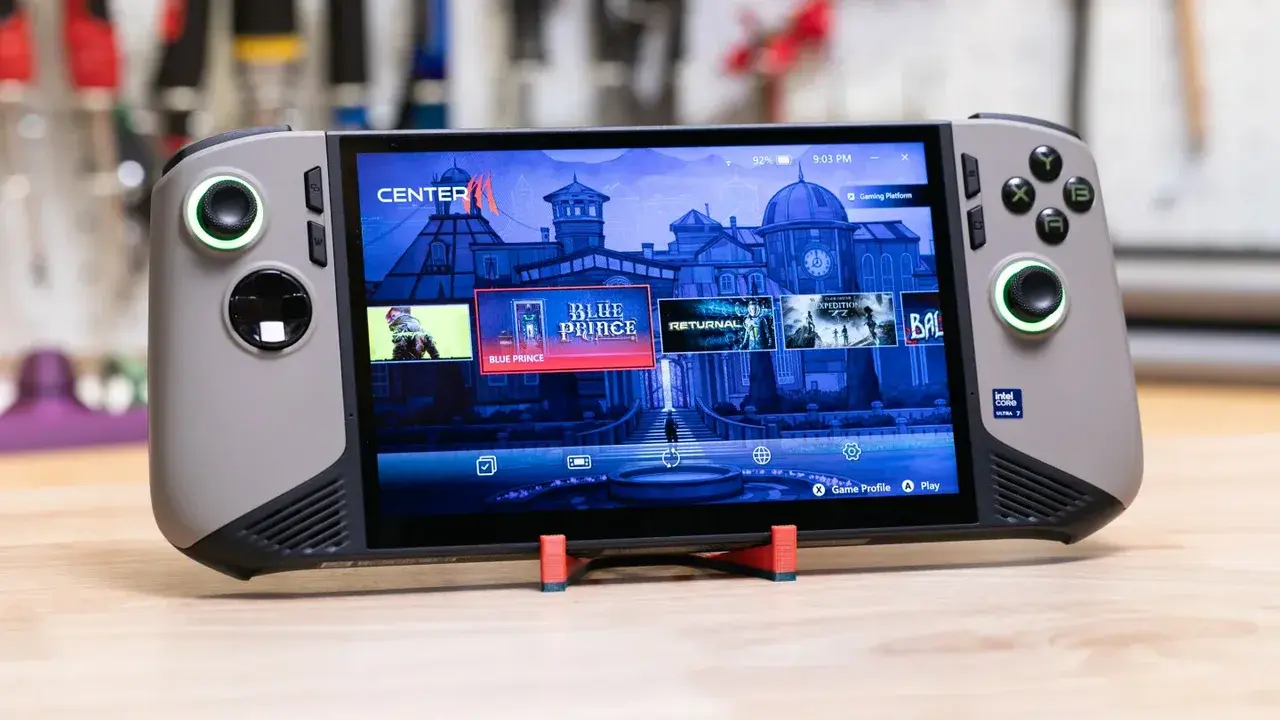
Valve has officially announced a strategic collaboration with tech giants Intel and Nvidia to extend the reach of its proprietary SteamOS beyond current AMD-based platforms. This expansion, highlighted by the recent release of SteamOS 3.8, marks a significant shift in Valve’s strategy to provide a seamless, console-like gaming experience on a diverse range of hardware configurations. By integrating firmware support for Intel-based handhelds and initiating dedicated development efforts for Nvidia GPUs, Valve aims to transition SteamOS into a universal operating system for desktop and mobile gaming devices worldwide.
- SteamOS 3.8 introduces initial firmware compatibility for Intel-based handheld gaming devices.
- Valve has established a specialized engineering team to accelerate driver development for Nvidia hardware.
- The latest update enables users to install and run the SteamOS environment on custom desktop PC builds.
- Technical collaboration between Valve and Intel focuses on optimizing Linux-based graphic stacks for better performance.
This move effectively signals the end of the exclusive era for SteamOS on Valve’s own hardware.
Intel Partnerships Improve Linux Gaming Compatibility
The collaboration between Valve and Intel addresses long-standing performance bottlenecks for Linux-based gaming. Pierre-Loup Griffais, a key representative at Valve, confirmed that the companies are working closely to refine the graphic stack. This technical synergy ensures that devices such as the MSI Claw benefit from improved controller mapping and optimized system responsiveness.
Early testing confirms that the software stack is maturing rapidly. Enthusiasts have already demonstrated the feasibility of running the latest build on Intel Arc B580 desktop graphics cards. These successful deployments suggest that a broader rollout for desktop enthusiasts is closer than previously anticipated.
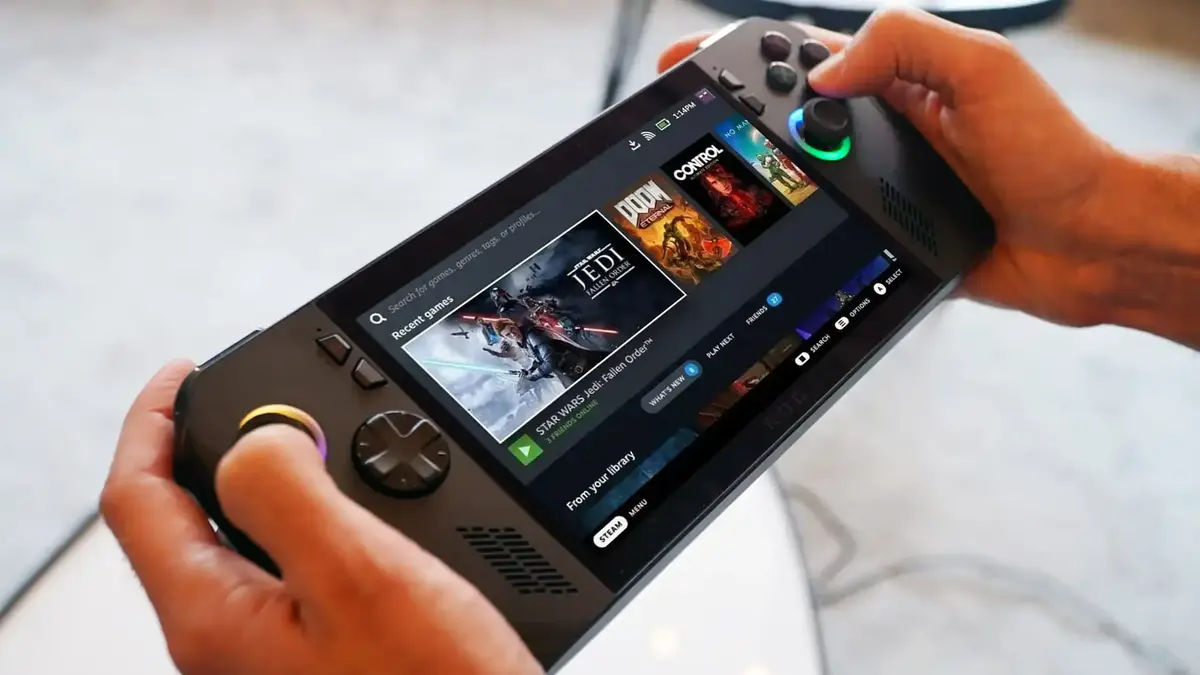
Valve is actively working to bridge the gap between open-source software and high-end Intel gaming performance.
Nvidia Integration Efforts Continue to Advance
While the momentum with Intel is palpable, Valve remains cautious regarding the timeline for full Nvidia support. The company has officially acknowledged the formation of a dedicated task force to tackle the complexities of Nvidia’s proprietary driver architecture. Although wide-scale implementation is not expected before the end of the year, the commitment to this partnership remains a top priority for Valve’s engineering division.
Custom Builds Are Becoming More Accessible
With the release of SteamOS 3.8, Valve is inviting the community to build their own custom SteamOS-powered machines. This shift empowers users to repurpose existing desktop hardware into dedicated gaming consoles, effectively bypassing the need for Windows in many scenarios. While specific optimization milestones for next-generation hardware, such as the Panther Lake architecture, are still under development, the foundation for a hardware-agnostic SteamOS is firmly in place.
As Valve opens up its ecosystem to a wider array of hardware, we are curious about your perspective: which device are you most excited to transform into a dedicated SteamOS console, and what features would make you switch from Windows permanently?
Your comment has been submitted,
it will be published after approval.