
Tesla FSD Cross-Country Trip: A Historic Success

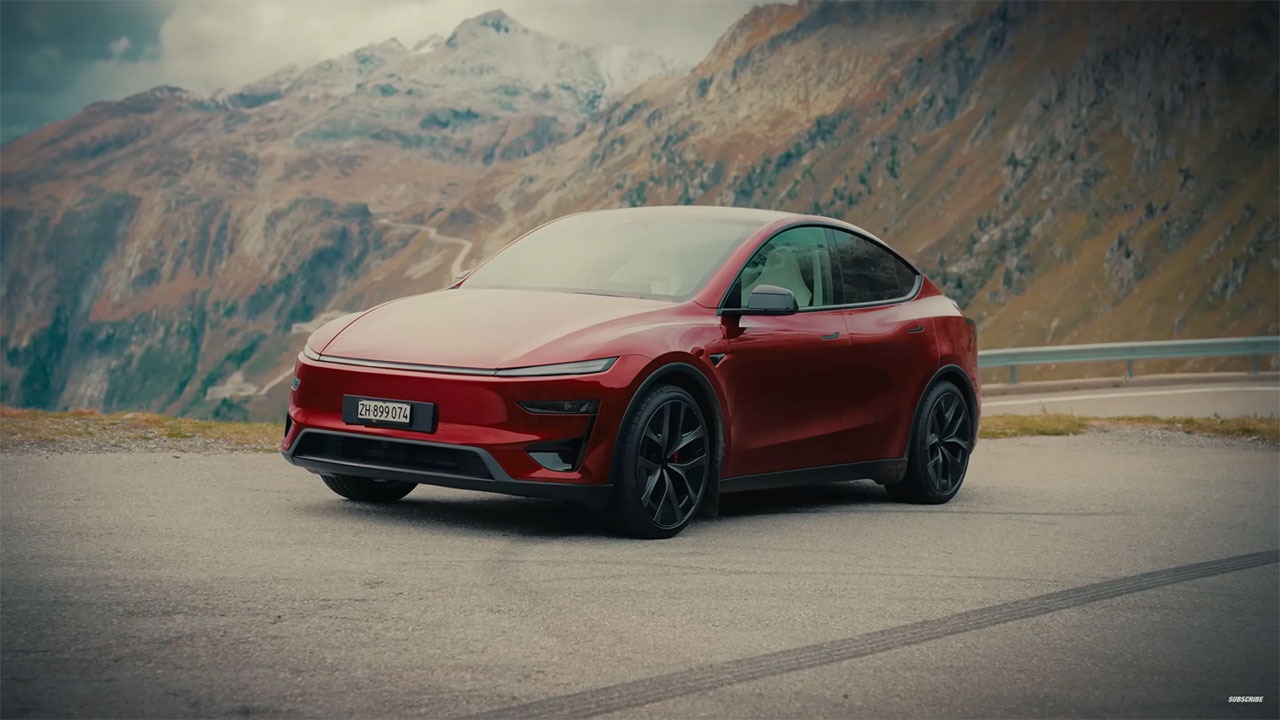
A Tesla Model S has successfully completed a historic Tesla FSD cross-country journey, traveling from Los Angeles to New York without any human intervention. This achievement fulfills a promise made by Elon Musk nearly a decade ago and marks a significant milestone for autonomous driving technology. The team, led by autonomous driving expert Alex Roy, documented the entire trip to validate the capabilities of Tesla’s Full Self-Driving (FSD) system.
Elon Musk’s 9-Year Promise Fulfilled by Tesla FSD Cross-Country Journey
Back in 2016, Elon Musk claimed a Tesla would be able to drive itself across the United States. To test this long-standing promise, Roy’s team, which included former automotive executive Warren Ahner and enthusiast Paul Pham, embarked on the challenging drive. The journey covered a total of 3,081 miles (approximately 4,958 km) with the vehicle’s controls entirely managed by artificial intelligence. The entire trip was completed in 58 hours and 22 minutes, a time that includes over 10 hours spent at charging stations.
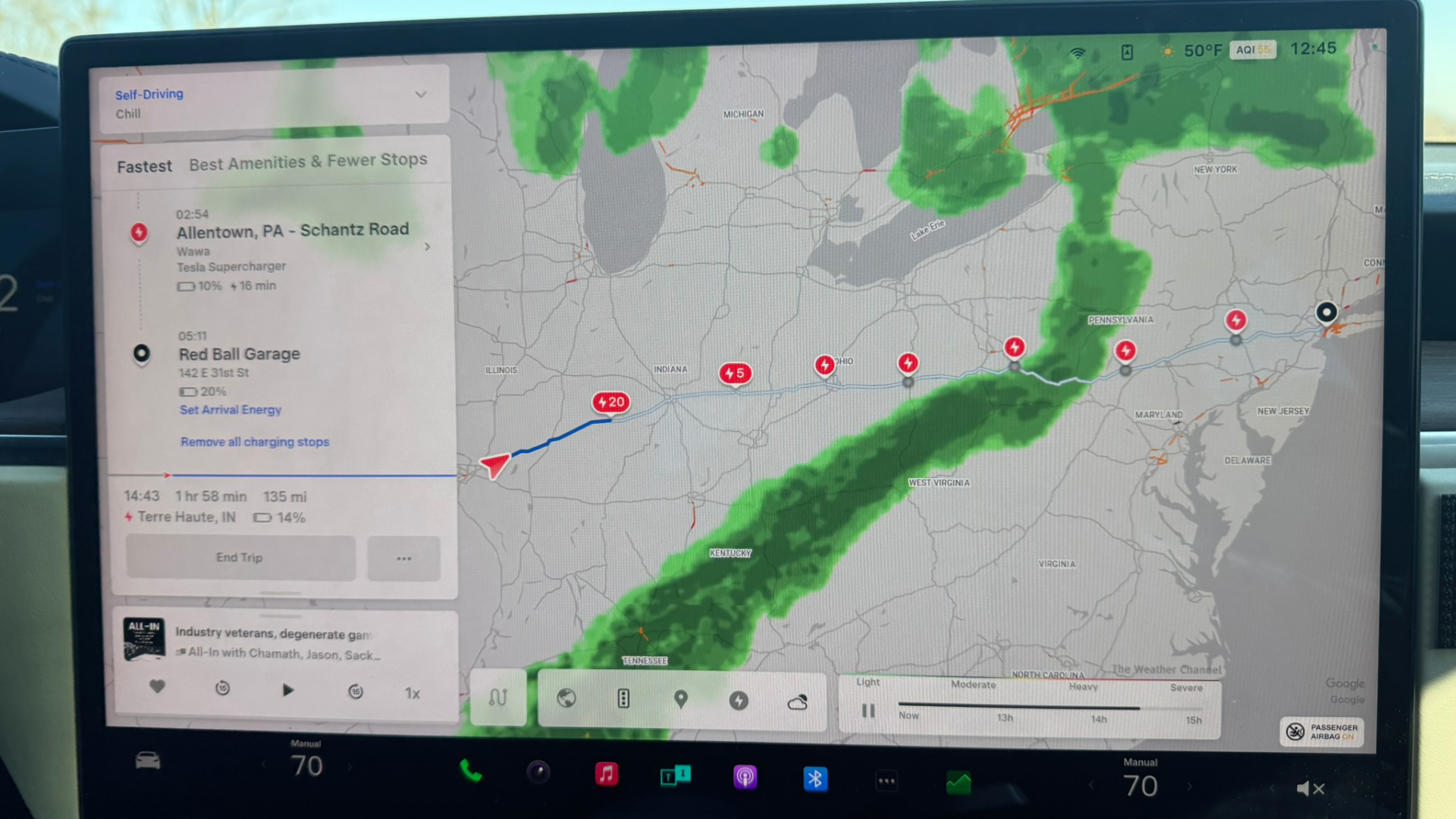
The 2024 Tesla Model S used for this record-setting drive was equipped with the latest HW4 hardware and FSD version 14.2.2.3. While other autonomous trips have been completed before, this was the first documented journey to follow Musk’s originally intended northeast route during harsh winter conditions, making it a true test of the system’s resilience.
Commitment to “Zero Intervention” Put to the Test
The team adhered strictly to a “zero intervention” rule, refusing to touch the steering wheel even during charging stops. This commitment was highlighted by a remarkable incident where a team member was accidentally left behind at a rest stop. Instead of manually turning the car around, which would have disengaged the FSD, the team made a 90-minute detour under autonomous control to retrieve him. To ensure complete transparency, the entire journey was recorded by two separate cameras.
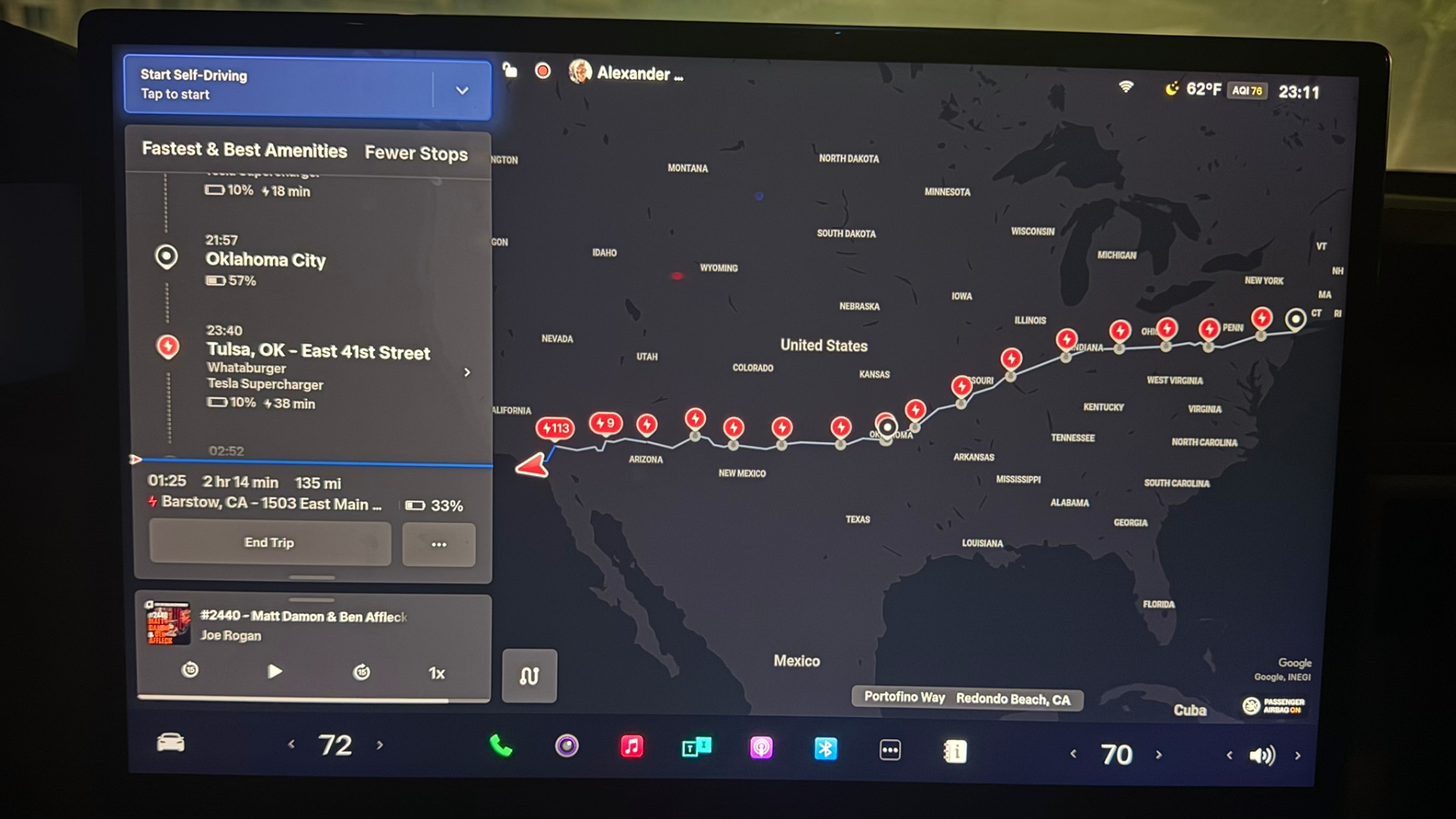
Throughout the entire route, the system disengaged only once. However, Alex Roy confirmed this was not a system failure but rather human error caused by someone accidentally touching the steering wheel. Furthermore, the vehicle demonstrated incredible performance despite facing severe winter weather, including snowstorms in the Midwest. Roy praised the car’s ability to maintain control and recover on snowy surfaces, describing its performance as “unbelievable.”
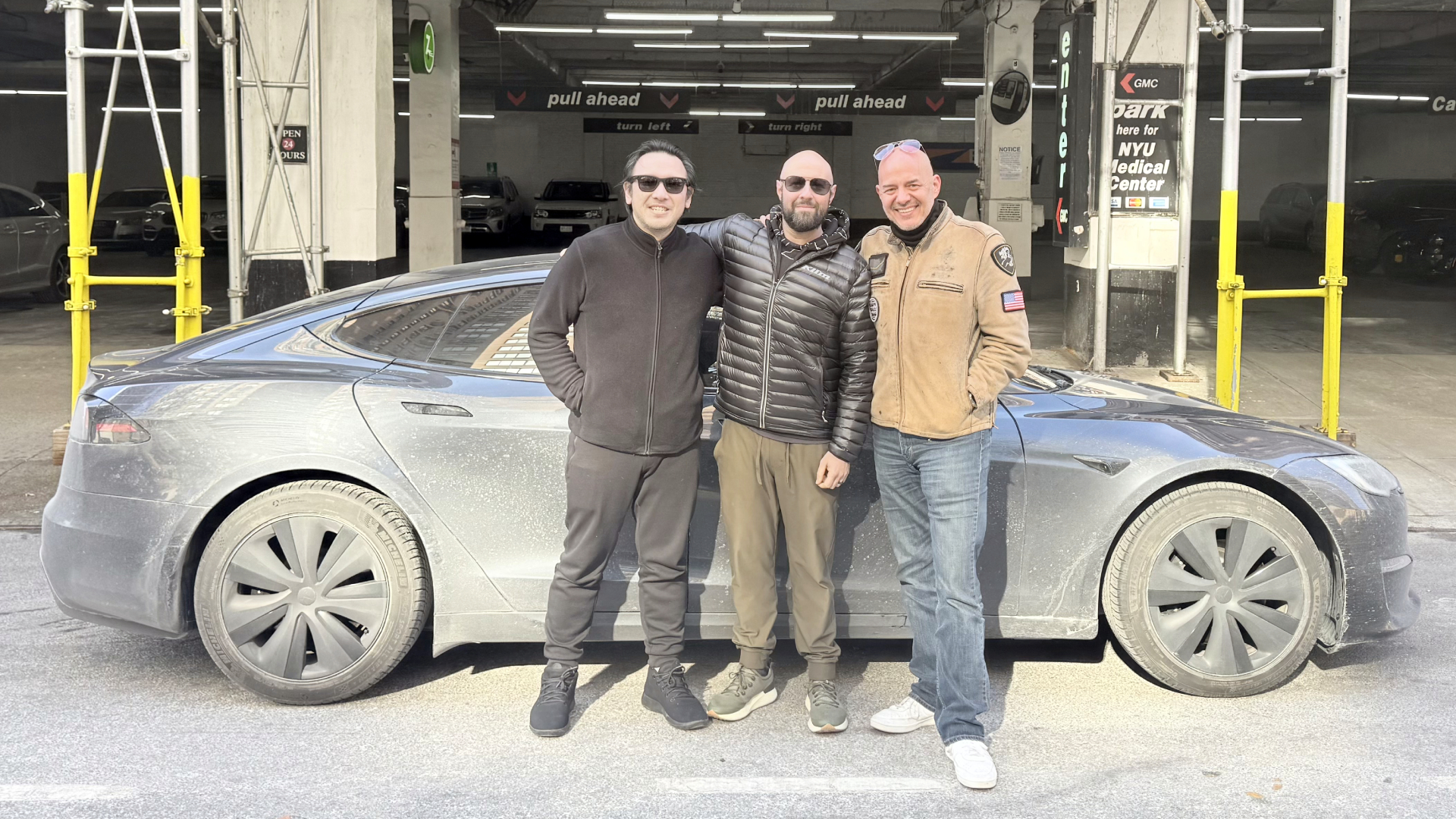
This successful trial is a powerful demonstration of how far autonomous driving technology has come, particularly its durability in adverse conditions. As Tesla continues to refine its software, it is expected that such records will be broken again in the future.
So, what are your thoughts on this autonomous driving achievement? Share your opinions with us in the comments!
Your comment has been submitted,
it will be published after approval.