
Tesla Quietly Cuts 2026 Investment Targets to Conserve Capital

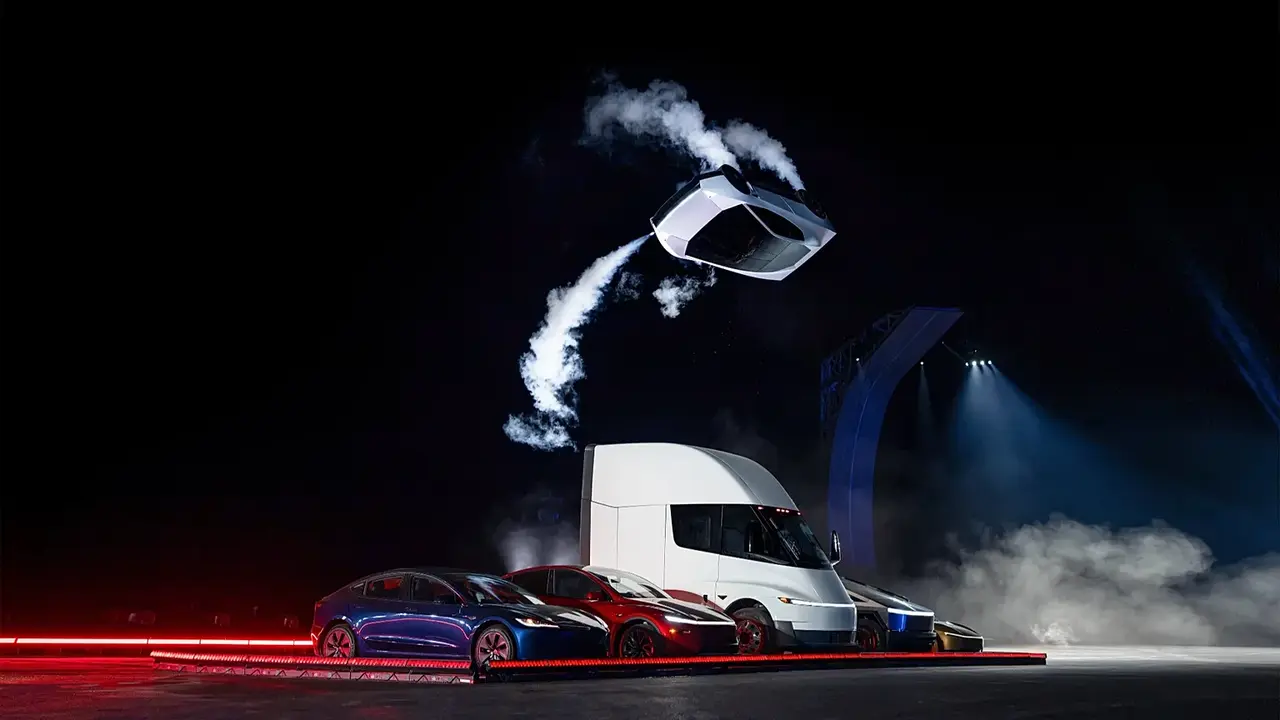
Tesla has discreetly revised its ambitious capital expenditure (Capex) goals for 2026, lowering its initial projection from over $25 billion to a more conservative estimate of “above $20 billion.” This strategic shift, disclosed in the company’s official 3rd quarter 10-Q filing with the U.S. Securities and Exchange Commission (SEC), marks a significant departure from earlier expectations set by leadership. While the electric vehicle giant continues to lead in autonomous technology and AI-driven initiatives, the decision to trim its 2026 investment budget suggests a more cautious approach to financial management amid shifting economic conditions and complex project timelines.
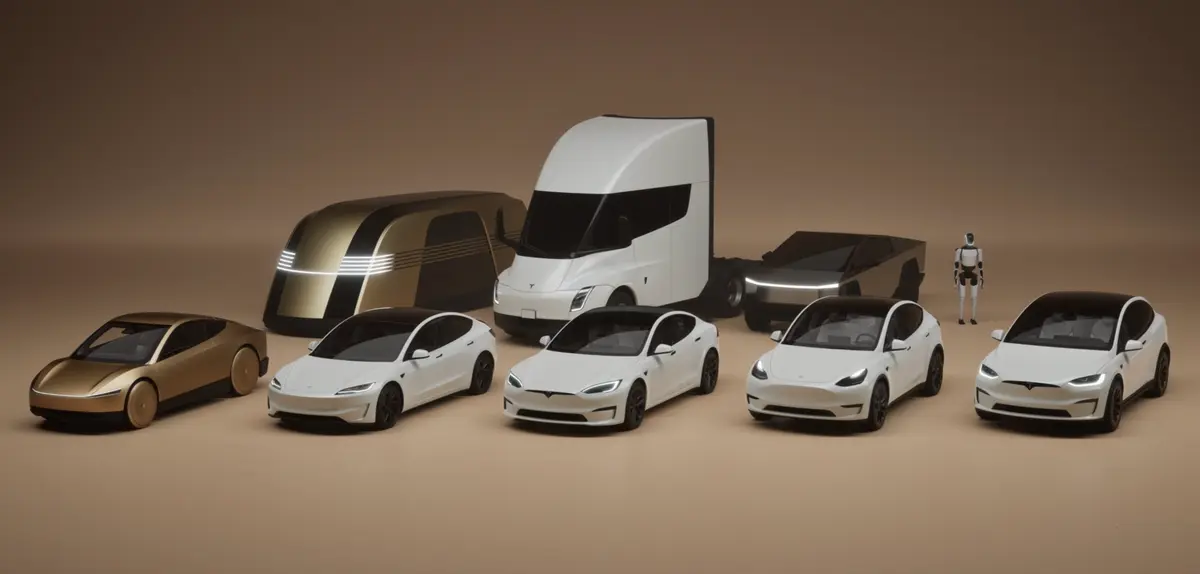
- Tesla revised its 2026 capital expenditure target downward by approximately $5 billion in its latest SEC filing.
- The company managed its cash flow through accounting adjustments and delayed supplier payments during the third quarter.
- New credit facilities totaling $30 billion were secured despite the reduction in planned capital spending.
- Analysts suggest the cut reflects either a shift in project timelines for AI initiatives or a strategy to protect existing cash reserves.
Strategic Revisions Remain Hidden in Official Documents
Throughout the year, CEO Elon Musk consistently framed 2026 as the most pivotal year for Tesla, emphasizing the need for massive capital investment to support autonomous driving infrastructure, supercomputer clusters, and the production of the Optimus humanoid robot. Given the scale of these projects, the original $25 billion expenditure target was widely viewed as a necessary commitment. However, the recent reduction remained notably absent from the primary shareholder letter, only coming to light through a granular analysis of the 10-Q financial report.

The company had already invested $13.01 billion in the first three quarters of the year. Under the original roadmap, Tesla would have needed to deploy over $12 billion in the final quarter alone to meet its target. By lowering the ceiling, the company has effectively reduced its fourth-quarter expenditure pressure to approximately $7 billion, providing a much-needed financial buffer.
Financial Performance Depends on Working Capital Adjustments
While Tesla reported a positive free cash flow of $1.53 billion for the third quarter, closer examination reveals that this performance relied heavily on accounting timing rather than core operational revenue. Although operating cash flow appeared robust at $6.26 billion, a substantial portion of this figure was derived from working capital adjustments. Specifically, accounts payable to suppliers increased by $1.92 billion, while other accrued liabilities rose by $1.95 billion.
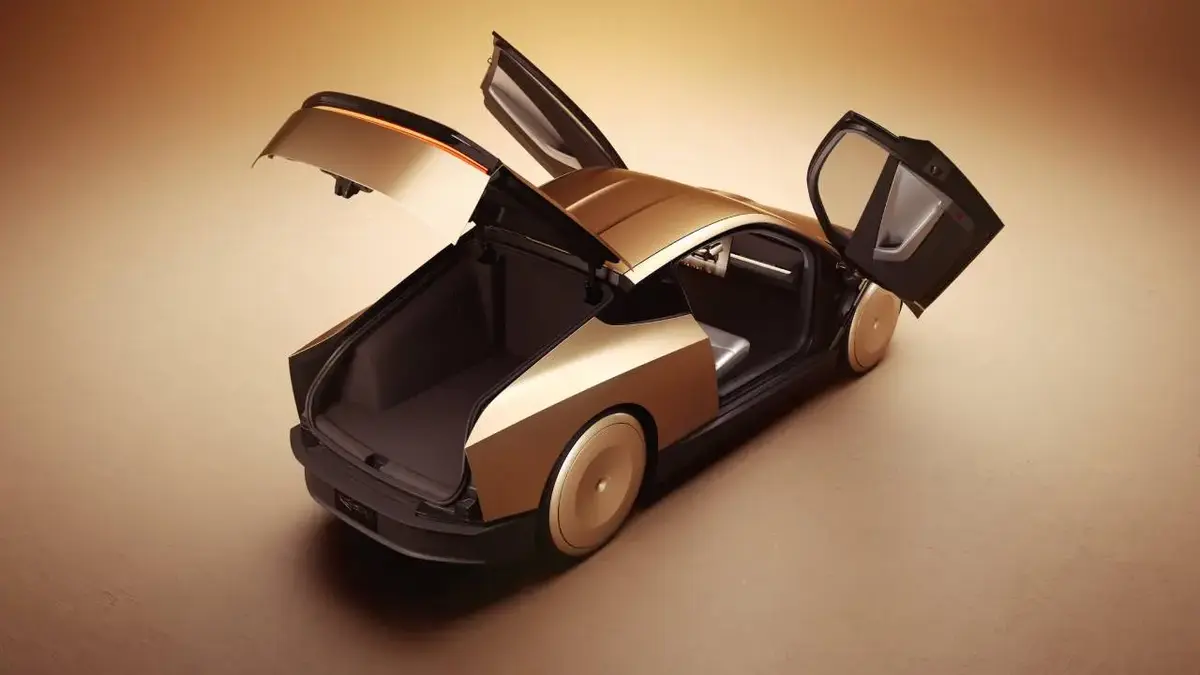
Additionally, pre-payments received for undelivered energy storage systems, such as Megapack, provided a temporary boost to the balance sheet. When these non-recurring items are excluded, the rationale behind slowing the pace of capital expenditure becomes clear. The company is actively prioritizing cash preservation to navigate potential macroeconomic volatility.
New Credit Facilities Increase Financial Flexibility
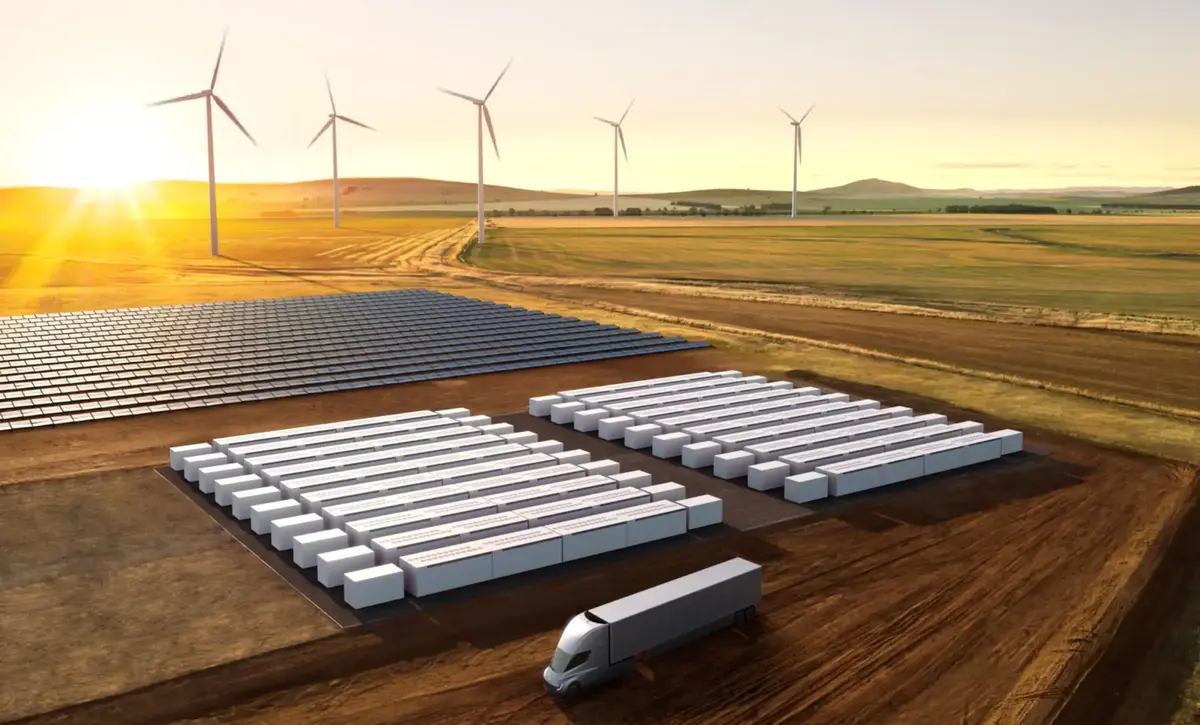
Interestingly, the reduction in capital spending coincided with the procurement of $30 billion in new credit facilities. Financial analysts are currently debating the primary motivation behind this move. One prevailing theory is that the development timelines for major AI and data center projects have been pushed into 2027. Alternatively, the company may be prioritizing the maintenance of its $45.4 billion cash reserve to insulate itself against future market uncertainties. Whether this move signals a temporary pause or a fundamental change in strategy remains a critical question for investors.
How do you interpret Tesla’s decision to scale back its 2026 investment plans while simultaneously securing new credit? Do you believe this is a prudent move to protect liquidity, or does it signal potential delays in their AI and autonomous vehicle roadmap? Share your thoughts in the comments section below.
Your comment has been submitted,
it will be published after approval.