
Tesla Upgrades Model Y with Advanced Super Manifold V2


Tesla has officially initiated a significant hardware transition for its popular Model Y SUV, integrating the new Super Manifold V2 thermal management architecture into vehicles manufactured at the Gigafactory Berlin facility. The upgrade, which was first identified in a Coastal Blue Model Y Standard model produced on August 27, marks a pivotal shift in how the automaker handles thermal efficiency. This sophisticated cooling and heating system plays a crucial role in enhancing cold-weather range performance and stabilizing rapid charging speeds, ensuring that Tesla remains at the forefront of electric vehicle engineering by continuously improving hardware standards without waiting for traditional model year refreshes.
- Tesla is now equipping Giga Berlin-produced Model Y units with the upgraded Super Manifold V2 architecture.
- The new system improves thermal efficiency by consolidating pumps and valves into a more compact, reliable unit.
- Enhanced thermal management capabilities facilitate faster DC rapid charging and better battery temperature regulation.
- The hardware integration provides a robust foundation for future over-the-air software optimizations.
What Advantages Does the Super Manifold V2 Provide?
The core of Tesla’s thermal strategy involves a single closed-loop heat pump circuit that manages the cabin climate, battery pack temperature, and electric motor cooling. The Super Manifold V2 introduces a more streamlined design that significantly reduces the complexity of the previous system. By integrating a larger number of thermal valves, pumps, and fluid channels into one compact block, Tesla has successfully minimized the number of hoses and external connections. 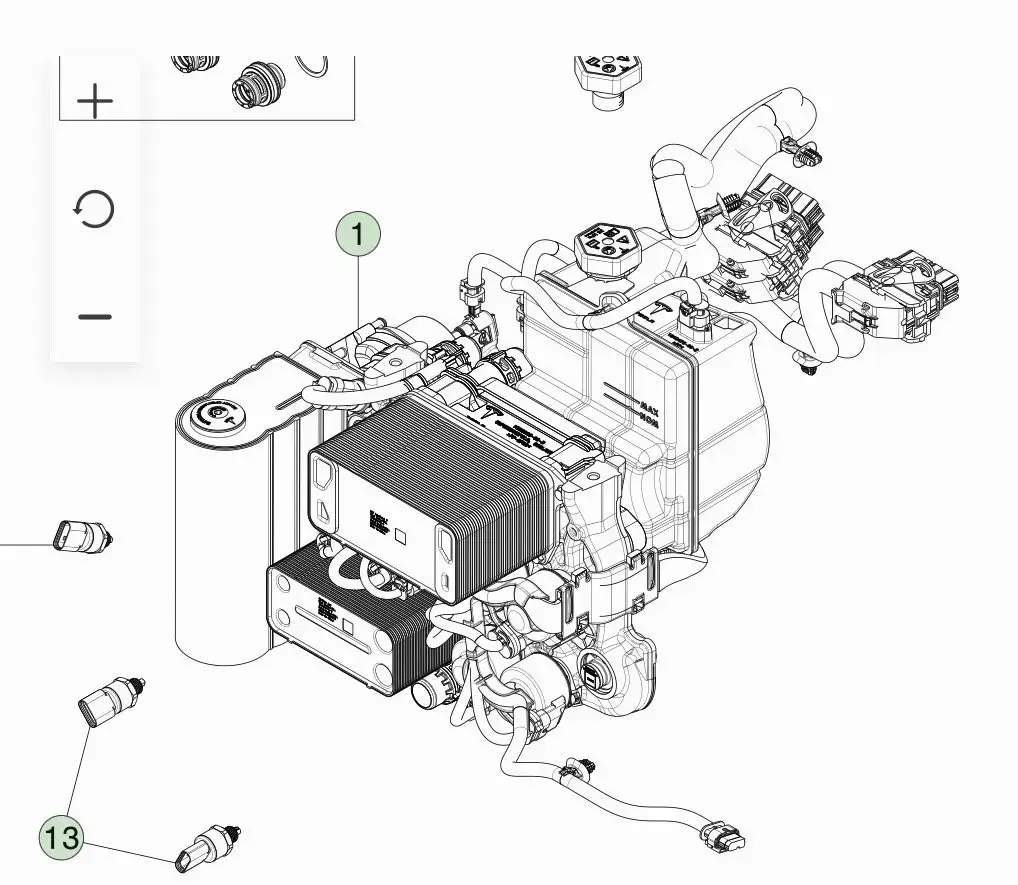 This reduction in mechanical complexity inherently lowers the risk of potential leaks and failures over the vehicle’s lifespan.
Furthermore, the V2 architecture utilizes a high-efficiency heat exchanger that drastically lowers the energy consumption of the heat pump. This improvement is particularly noticeable during extreme weather conditions, as the system can heat the cabin during freezing winters or cool the battery during intense summer heat with greater precision. By maintaining the battery at an optimal temperature range, the system prevents overheating during high-performance driving, ensuring that the vehicle maintains consistent power delivery regardless of external conditions.
How Supercharging Performance is Being Improved
One of the most critical impacts of the Super Manifold V2 involves its ability to handle the intense thermal loads generated during high-kilowatt DC fast charging. As the battery absorbs energy at higher rates, the resulting heat must be dissipated quickly to protect the integrity of the cells. The optimized flow within the new manifold ensures that this heat is evacuated more efficiently, allowing the vehicle to maintain a higher charging curve for a longer duration. Consequently, owners will experience shorter wait times at Supercharger stations, reinforcing Tesla’s advantage in charging infrastructure and efficiency.
What the Update Means for European Drivers
Because Tesla implements these engineering changes directly on the production line, the Super Manifold V2 will become the standard for all Model Y vehicles exported from Berlin to the European market, including Turkey. This transition does not merely offer current benefits; it establishes a superior hardware foundation that will support future over-the-air (OTA) software updates. These forthcoming updates are expected to further refine thermal management and range optimization, providing long-term value to owners who prioritize energy efficiency and technological longevity.
We are curious to hear your thoughts on this silent hardware upgrade; do you think these thermal management improvements will significantly change your daily driving experience in cold climates? Share your insights and expectations in the comments section below.
Your comment has been submitted,
it will be published after approval.