


Europe’s largest automakers are awaiting a critical decision regarding the future of the market. The European automotive industry is struggling to manage the costly transition to electric vehicles while also grappling with fierce competition from China and margin-squeezing tariffs. This costly transition is forcing companies to invest billions of euros in new EV platforms and battery production, putting immense pressure on profitability.
German Chancellor Under Heavy Political Pressure
The industry is relying on the European Union for a support package that could provide much-needed breathing space. This upcoming package is in the spotlight as automakers hope for a softening of the hardline 2035 deadline for conventional engines.
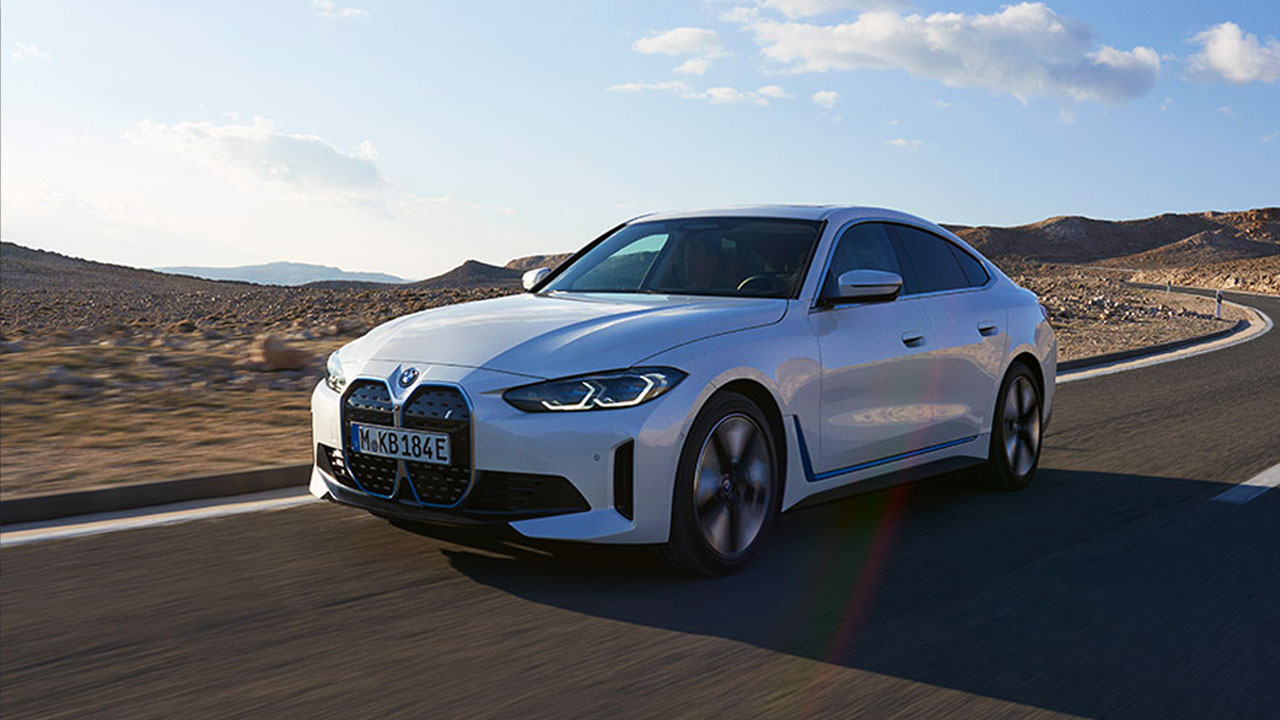
European automakers are actively lobbying Brussels for greater flexibility on this deadline. Rather than demanding a complete rollback, they are pushing for the adoption of certain low-emission technologies. The industry is demanding that vehicles powered by CO2-neutral fuels be permitted and that plug-in hybrids (PHEVs) be exempted from the upcoming ban. The industry argues that this flexibility will ensure progress towards climate targets while preserving jobs and profits.
The political drama has drawn in high-level players. German Chancellor Friedrich Merz sent a letter to Brussels requesting that both plug-in hybrids and “high-efficiency” internal combustion engines be exempted from the 2035 phase-out plan. This intervention carries significant political weight, and EU Transport Commissioner Apostolos Tzitzikostas’s statement to the German business newspaper Handelsblatt, “The Prime Minister’s letter was well received,” has boosted hopes for the industry.
The European Commission had initially planned to announce the support package on December 10. However, sources close to the German auto industry suggest this date will likely be postponed. Another industry source also noted a common sentiment among all automakers that the Commission could release its proposals after December 10.
While there’s no official confirmation of a delay, the industry whispers have turned into a continent-wide chorus, often behind closed doors, suggesting something is changing. The auto industry, eager for clarity on its future investments in electric cars and hybrids, is now nervously monitoring the timeline.
The Commission, however, has attempted to temper speculation without completely denying rumors of a delay. A spokesperson stated that all its timings are merely “indicative,” emphasizing that the process is “ongoing” and that a decision on the next step will be made once all input has been reviewed. This vague response leaves the industry in a state of uncertainty, but it also raises hope that the Commission is genuinely considering the possibility of reconsidering the 2035 ban.