

The GPU war may have defined the early AI boom, but according to Microsoft CEO Satya Nadella, that battle is already behind us. Speaking on the BG2 podcast alongside OpenAI’s Sam Altman, Nadella revealed that Microsoft is no longer constrained by chip supply. Instead, the biggest bottleneck now is power.
The GPU war ends, but a power war begins
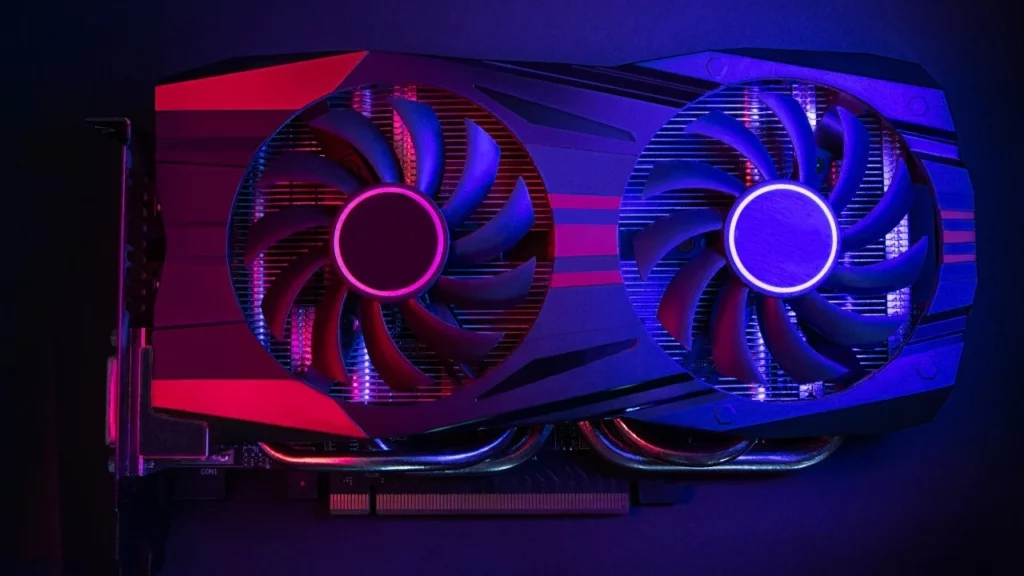
Nadella didn’t mince words: “You can have a bunch of chips sitting in inventory,” he said, “that simply can’t be plugged in.” Even though the GPU war made headlines for years, it’s now grid access not silicon that’s slowing AI’s momentum.
In fact, Microsoft has accelerators ready to deploy. The real problem lies in data centers that can’t draw enough power to support them. These facilities, often referred to as “warm shells,” are physically built but unable to operate at full capacity due to electrical limits.

The OneXPlayer X1 with Intel Panther Lake, Arc B370 GPU, and 32 GB RAM appears ahead of CES 2026 with surprising early specs.
AI growth hits the grid’s edge
This new ceiling isn’t just inconvenient, it’s structural. AI data centers consume as much electricity as small cities. As a result, companies are hitting regional power caps faster than utilities can respond. Planning delays, regulatory red tape, and slow infrastructure upgrades now pose a serious threat to expansion.
To push forward, major cloud providers are shifting strategies. Here’s how they’re adapting:
- Securing long-term power purchase agreements
- Investing in local battery storage and solar capacity
- Choosing locations near underused grid zones
- Exploring Small Modular Reactors (SMRs) for nuclear-grade energy supply
These aren’t futuristic ideas anymore, they’re active solutions being pursued today.
From GPUs to gigawatts: AI’s next race begins
The message is clear: winning in AI now depends on who can access scalable, stable power not just who can buy the most chips. Nadella’s comments reflect a deeper industry truth: the AI boom didn’t stall because of a GPU war, but because the grid couldn’t keep up.
Expect energy to become the new battleground in 2026. The players with power, literal power, will define the pace of progress. And in this phase, the real ceiling isn’t hardware. It’s electricity.