
TSMC Faces Intense Competition as AI Chip Demand Surges

The global surge in demand for artificial intelligence and high-performance computing chips is placing unprecedented strain on TSMC, the industry’s leading semiconductor foundry. As the company struggles to balance its advanced CoWoS packaging capacity with overwhelming orders from tech giants like NVIDIA and AMD, supply chain bottlenecks have emerged as a significant industry concern. This capacity crunch is occurring primarily in Taiwan, where TSMC operates five major production facilities, prompting the firm to explore expansion plans in the United States. Consequently, the bottleneck is creating a shift in the manufacturing landscape, allowing competitors to capture market share and diversify the semiconductor supply chain.
- TSMC is currently unable to satisfy the record-breaking demand for its advanced CoWoS packaging technology.
- Competitors such as Intel and various Taiwanese firms are absorbing excess demand to alleviate industry bottlenecks.
- Major clients like NVIDIA are diversifying their supplier base by shifting some packaging orders toward external alternatives.
- TSMC is expanding its global production footprint by planning new facilities in Taiwan and Arizona to bolster capacity.
Competition in Advanced Packaging Markets Intensifies
While TSMC has long served as the industry standard for chip packaging, the current supply constraints have opened a strategic window for rivals. Intel is aggressively positioning its proprietary EMIB technology as a viable alternative, aiming to secure a stronger foothold in the high-performance market. Industry reports suggest that NVIDIA is already considering shifting some packaging orders for its next-generation Feynman GPUs to Intel, marking a notable departure from its traditional reliance on TSMC.
The shift toward diversified packaging strategies signals a fundamental change in how global AI hardware is manufactured.
Beyond Intel, specialized Taiwanese firms such as ASE, SPIL, Powertech, and KYEC are playing an increasingly critical role. These companies are actively absorbing the overflow from TSMC’s production lines, proving that the ecosystem is becoming more fragmented as manufacturers scramble to meet AI-driven requirements. 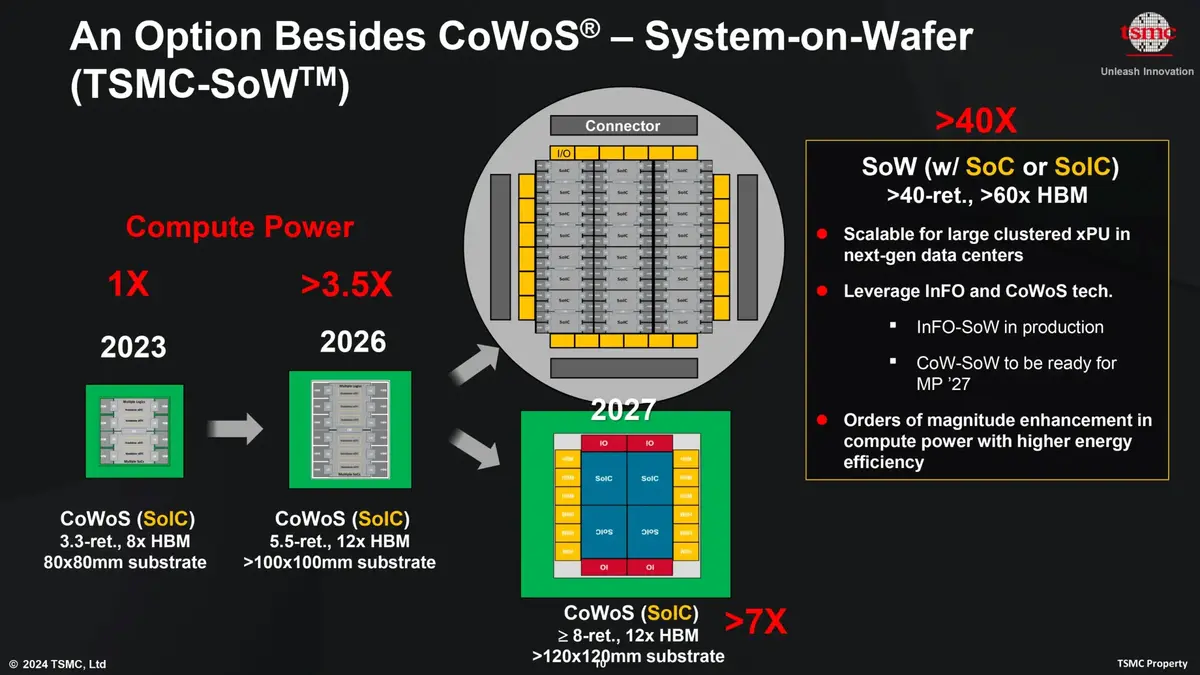
Next-Generation Chip Production Strategies Evolve
AMD remains a key player in this transition, continuing to utilize TSMC’s N2P node for its EPYC Venice processors while planning to leverage future TSMC technologies for the upcoming MI400 and MI500 series. These chips are destined for massive data centers and hyperscale platforms, which are the backbone of modern cloud computing and generative AI infrastructure. 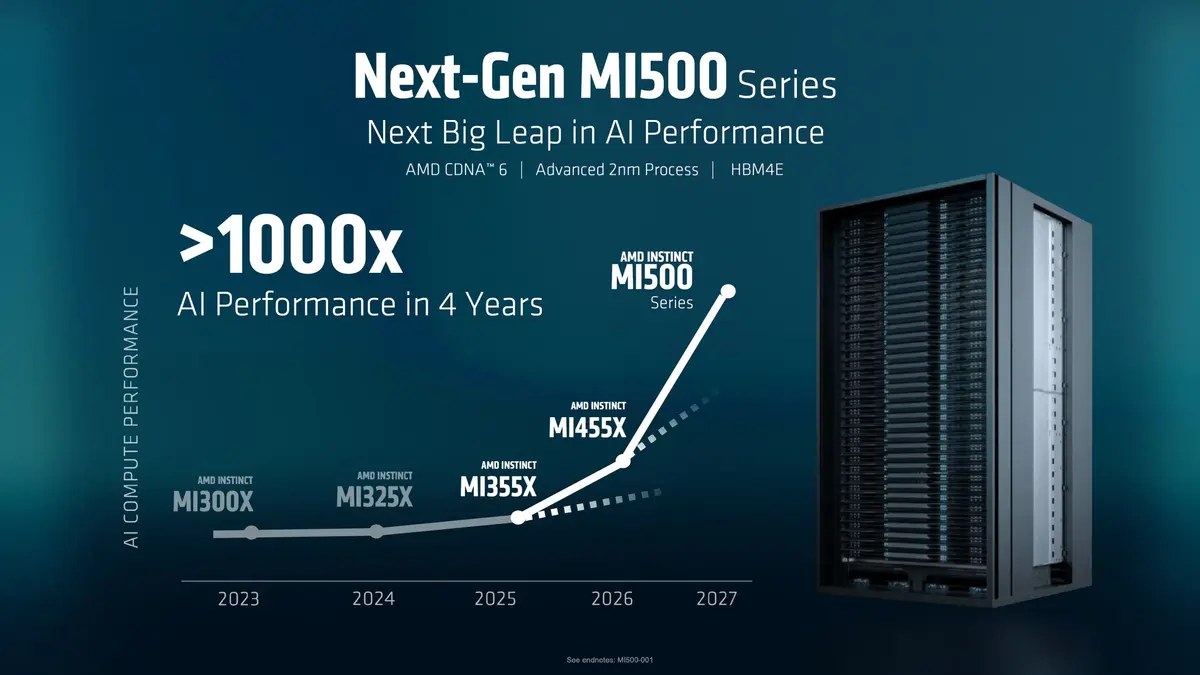
TSMC’s current strategy focuses on prioritizing high-margin processes and maintaining relationships with its largest, most influential clients. However, the risk remains that if capacity constraints persist, long-term customers may permanently integrate competitors into their primary supply chains. This potential loss of exclusive control over the manufacturing lifecycle poses a long-term challenge for the company’s dominance.
Technological sovereignty and production reliability have become the most valuable currencies in the semiconductor industry.
Given the current shift in production dependencies, how do you believe these manufacturing changes will reshape the global semiconductor supply chain in the coming years? Share your insights and predictions in the comments section below.
Your comment has been submitted,
it will be published after approval.