
Turkey Achieves MEKO Modernization Success Years Ahead of Greece

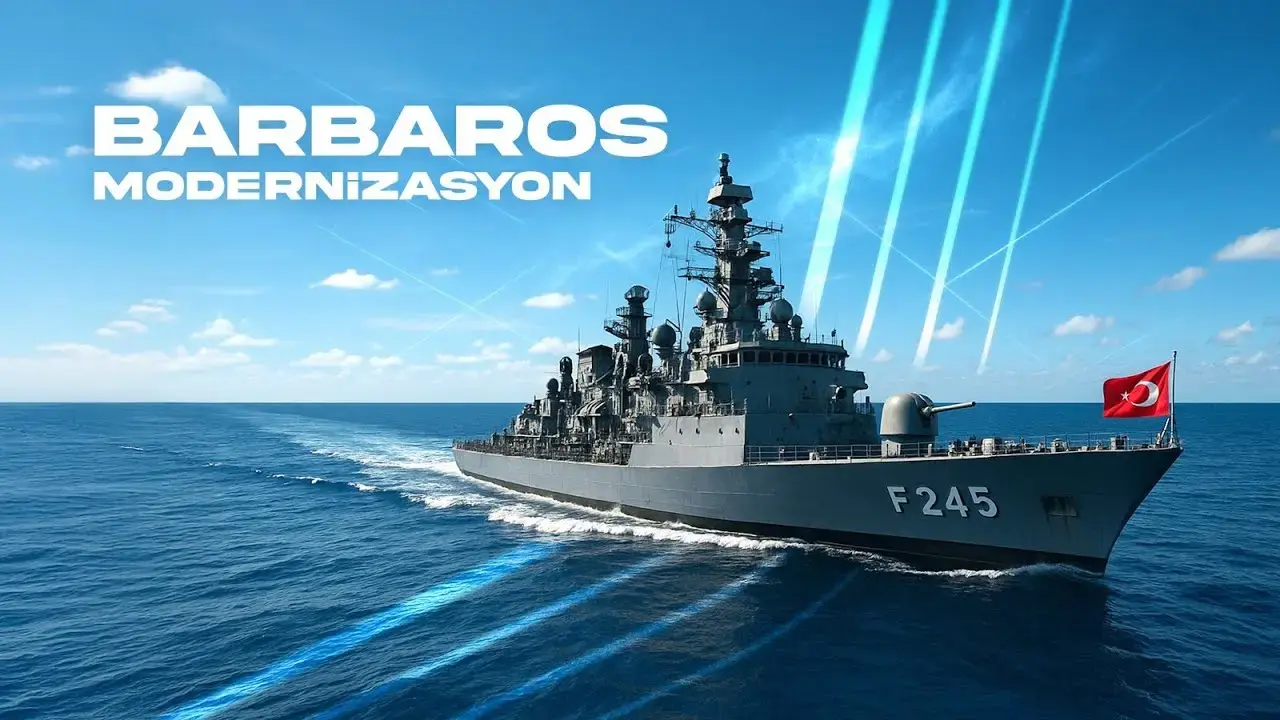
The Turkish Naval Forces have successfully concluded the mid-life modernization (MLU) project for the MEKO-class frigate TCG Oruçreis in 2025, utilizing indigenous and national systems to achieve full operational capability. This milestone, led by domestic defense giants ASELSAN and HAVELSAN, places Turkey significantly ahead of regional counterparts as the vessel currently represents the nation’s naval power in New York for the United States’ 250th-anniversary celebrations. While Turkey has already integrated advanced local technology into its fleet, Greece is only just beginning a 260-million-euro modernization program for its Hydra-class frigates, with the first deliveries not expected until after 2028.
- Turkey completed the comprehensive modernization of the TCG Oruçreis using domestic defense systems in 2025.
- The project integrates the national ADVENT combat management system, AESA radars, and indigenous electronic warfare suites.
- Greece recently signed a contract with Thales to modernize its four Hydra-class frigates, targeting project completion by 2030.
- The Turkish approach minimizes reliance on foreign suppliers, whereas the Greek program remains dependent on external international partners.
Turkey Prioritizes National Defense Infrastructure
The Barbaros-class Mid-Life Modernization Project serves as a testament to Turkey’s commitment to self-reliance in naval warfare. By replacing aging analog systems with the state-of-the-art ADVENT combat management system, the Turkish Navy has transformed its frigates into digital powerhouses. This upgrade ensures that the TCG Oruçreis can operate seamlessly within the Mavi Vatan (Blue Homeland) and beyond, demonstrating superior interoperability with NATO standards.
Turkey has successfully eliminated external dependencies through its advanced domestic software and hardware integration.
TCG Oruçreis Projects Global Deterrence
The presence of the TCG Oruçreis in New York harbor serves as more than a diplomatic gesture; it is a clear display of Turkey’s technological maturity. The vessel’s ability to navigate the Atlantic and perform complex maneuvers showcases the reliability of its newly installed sensors and communication suites. The modernization allows the ship to function as a mobile command center, capable of coordinating with unmanned maritime systems and various national missile platforms.
Greece Faces Significant Delays in Naval Upgrades
In contrast, the Greek government is currently navigating the early stages of its own modernization efforts. The Hellenic Navy’s plan to upgrade its 1990s-era Hydra-class ships involves heavy reliance on the French firm Thales. Due to administrative and logistical challenges, the physical work at Skaramangas shipyards will proceed at a slow pace, with the final ship in the series not anticipated to be ready until 2030.
Greece remains tethered to foreign contractors, which complicates the timeline for achieving full operational readiness.
Technological Disparities Define Regional Power Dynamics
The gap between the two nations is further widened by the nature of the systems employed. While Greece plans to integrate the Tacticos combat management system, Turkey’s TCG Oruçreis is already benefiting from a network-centric architecture designed for the future of warfare. This local approach provides Turkish commanders with greater flexibility to adapt to evolving threats without waiting for foreign vendor support.
What are your thoughts on the impact of indigenous defense technology on maritime security? Share your views on whether national self-reliance or international partnerships provide a stronger advantage in today’s naval landscape in the comments section below.
Your comment has been submitted,
it will be published after approval.