
Turkey Extends 6 Month 6 Thousand Kilometer Car Sales Restriction

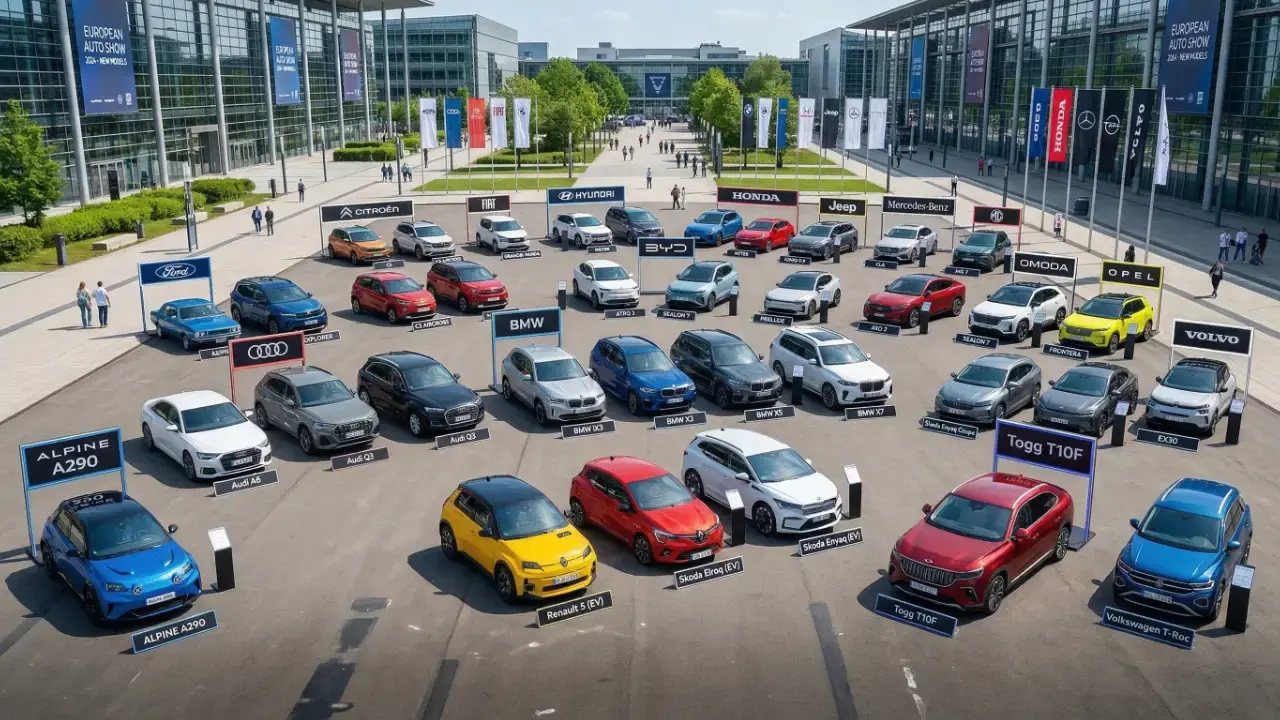
The Turkish Ministry of Trade has officially announced that the 6 month 6 thousand kilometer sales restriction for second-hand vehicles will remain in effect until January 1, 2027. This decision, aimed at curbing speculative price surges and preventing stock-piling practices in the automotive sector, continues to be a cornerstone of the government’s strategy to stabilize the market. By enforcing these rules, the Ministry seeks to ensure a fair and competitive environment for consumers while preventing artificial inflation caused by rapid resale activities. The extension signals a long-term commitment to maintaining transparency and order within the nationwide automotive trade network.
- The Ministry of Trade extended the second-hand vehicle sales restriction until January 1, 2027.
- Vehicles cannot be sold for commercial profit before reaching six months of ownership or six thousand kilometers of mileage.
- The regulation prohibits listing vehicles for sale at prices higher than the manufacturer’s recommended retail price.
- Authorities continue to conduct rigorous inspections of authorized dealers and independent galleries to ensure compliance.
Ministry Aims to Maintain Market Stability
These restrictive measures were initially introduced to combat the post-pandemic volatility that gripped the Turkish automotive industry. By setting strict boundaries on the resale of new vehicles, the Ministry has successfully cooled down speculative bubbles that previously made it difficult for individual buyers to access zero-kilometer cars at fair prices. The policy discourages opportunistic entities from hoarding new inventory to resell it at inflated rates shortly after purchase.
Strict regulations serve as a vital safeguard for consumers against market manipulation and predatory pricing.
The extension of this policy until 2027 is intended to provide long-term predictability for the sector. By removing the incentive for short-term speculative trading, the government hopes to foster a healthier, more sustainable market where supply meets genuine demand rather than investment-driven speculation.
Inspection Efforts Continue With Determination
The Ministry of Trade has reaffirmed that its inspection teams are working tirelessly to monitor both digital platforms and physical sales locations. Utilizing advanced digital tracking systems, officials can identify non-compliant advertisements in real-time, coordinating closely with online marketplaces to remove listings that violate the law. Numerous dealerships and galleries have already faced administrative penalties for failing to adhere to these established rules.
Industry experts suggest that these ongoing interventions are necessary to balance the supply-demand dynamics in the country. Consumers have largely welcomed the persistence of these regulations, noting that the intensity of price hikes in the second-hand market has significantly diminished since the initial implementation of the rule.
Constant oversight remains essential for the continued stabilization of automotive prices across the country.
The government encourages citizens to remain vigilant and report any suspicious activities or pricing discrepancies they encounter. Through a collaborative approach involving the Ministry, legal platforms, and the public, the automotive market is moving toward a more transparent future where fair pricing is the standard rather than the exception.
Do you believe these ongoing restrictions have successfully made vehicles more accessible to the average buyer, or do you think the market needs different solutions? Share your thoughts and personal experiences with vehicle transactions in the comments below.
Your comment has been submitted,
it will be published after approval.