
Turkey Raises Customs Threshold: Smartphone Prices Set to Increase

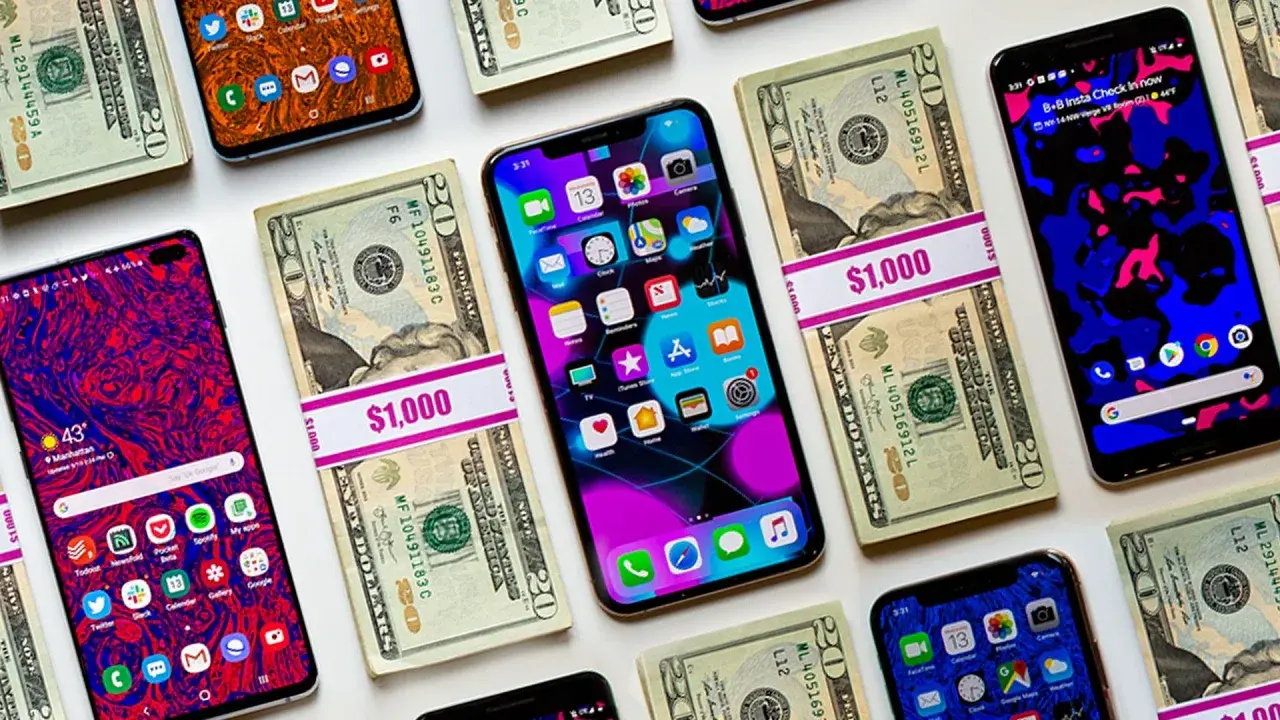
The Turkish Ministry of Trade has officially increased the customs surveillance threshold for imported smartphones from 200 USD to 250 USD, a regulation that took effect immediately. This legislative change significantly impacts consumers looking to purchase entry-level and budget-friendly mobile devices in Turkey. By raising the baseline value for imported handsets, the government effectively increases the tax base for devices priced below this new threshold. Importers who cannot provide comprehensive documentation proving the actual lower purchase price of their goods will face higher tax liabilities, potentially leading to retail price hikes of up to 5,000 TL for budget smartphones.
- The Ministry of Trade increased the customs surveillance threshold for smartphones from 200 USD to 250 USD.
- Imported devices failing to meet documentation requirements for their actual cost incur higher tax assessments based on the new threshold.
- The cumulative impact of various taxes, including VAT and the Special Consumption Tax, could lead to price increases of approximately 5,000 TL.
- Mid-range and flagship models priced above the 250 USD limit remain unaffected by this new regulatory adjustment.
Retail prices for entry-level smartphones may rise by 5,000 TL due to this customs adjustment.
How the New Customs Surveillance Value Functions
In the context of international trade, the customs surveillance value serves as a reference point for declaring the worth of electronic goods entering the country. The policy is designed to prevent under-invoicing, which occurs when companies report lower purchase prices to avoid paying the correct amount of taxes. By establishing a minimum value of 250 USD for customs purposes, the authorities aim to protect local market competition and ensure accurate tax collection.
When an importer brings a phone into the country, the customs office evaluates whether the declared value aligns with the 250 USD threshold. If the importer lacks sufficient proof to demonstrate the cost is genuinely lower, the authorities automatically adjust the tax calculation based on the 250 USD figure. While this is not an additional fee per se, it inflates the tax base, resulting in higher mandatory payments to the state.
Proper documentation is the only safeguard against these mandatory price adjustments.
Why Tax Accumulation Causes Significant Price Hikes
The potential 5,000 TL price increase is not a direct customs tax but the result of a compounding effect across several tax categories. When the tax base increases by 50 USD, it triggers a chain reaction across various levies. These include the Ministry of Culture share, the TRT bandrol fee, the 50% Special Consumption Tax (ÖTV), and finally the 20% Value Added Tax (KDV).  Because each subsequent tax is applied to the previously calculated total, the relatively small increase in the base value results in a substantial surge in the final price tag for the end consumer.
Which Smartphone Models Face Potential Price Increases
Not every smartphone currently on the market will experience a price change. Devices currently retailing in the mid-to-high segment, which are imported at costs exceeding 250 USD, are entirely outside the scope of this regulation. Consequently, users seeking flagship models should not expect price changes linked to this specific policy shift.
The issue primarily concerns budget-conscious consumers looking for entry-level models. However, the extent of these price hikes depends heavily on the administrative efficiency of import firms. Companies that maintain impeccable records and can verify their actual procurement costs to customs officials may be able to avoid these increases. Conversely, those unable to provide such evidence will likely pass the higher tax costs on to the market immediately.
How do you think this change in the customs threshold will affect your next smartphone purchase plans? Share your thoughts and expectations in the comments section below.
Your comment has been submitted,
it will be published after approval.