
Meta Prepares to Launch Camera-Free Smart Glasses Called Luna

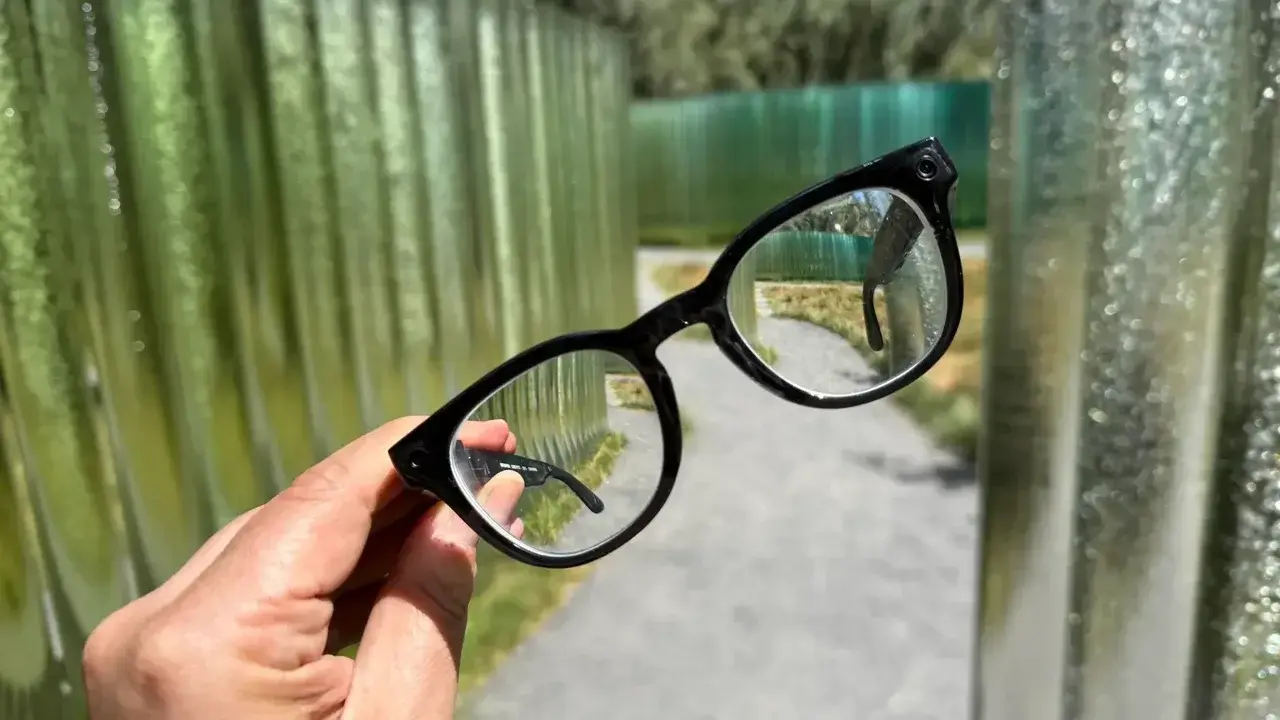
In an effort to address growing privacy concerns and mitigate social stigma, Meta is reportedly preparing to introduce a new line of camera-free smart glasses, codenamed Luna. According to reports from The Information, the company aims to launch these wearable devices as early as October, with a formal unveiling expected during the upcoming Meta Connect developer conference scheduled for September 23-24. By removing recording capabilities, Meta seeks to shift the current public perception of its wearable technology and provide a more socially acceptable alternative for users who are wary of the privacy implications associated with their existing Ray-Ban smart glass models.
- Meta plans to debut the camera-free Luna smart glasses at its annual developer conference in late September.
- The new devices will feature six microphones and directional speakers to facilitate interactions with the Meta AI voice assistant.
- The company aims to eliminate social stigma and privacy issues stemming from unauthorized video recording by existing camera-equipped models.
- The Luna glasses will be available in two distinct frame styles known as Clubmaster and Burbank.
Meta Addresses Privacy Concerns Through New Hardware Designs
The decision to pivot toward camera-free hardware follows significant backlash regarding the current generation of Ray-Ban smart glasses. Critics and users have raised alarms about the potential for unauthorized recording in sensitive social environments. Although Meta implemented a software update in July to disable recording if the LED indicator is tampered with, many experts maintain that the small light is often difficult to spot in bright daylight. 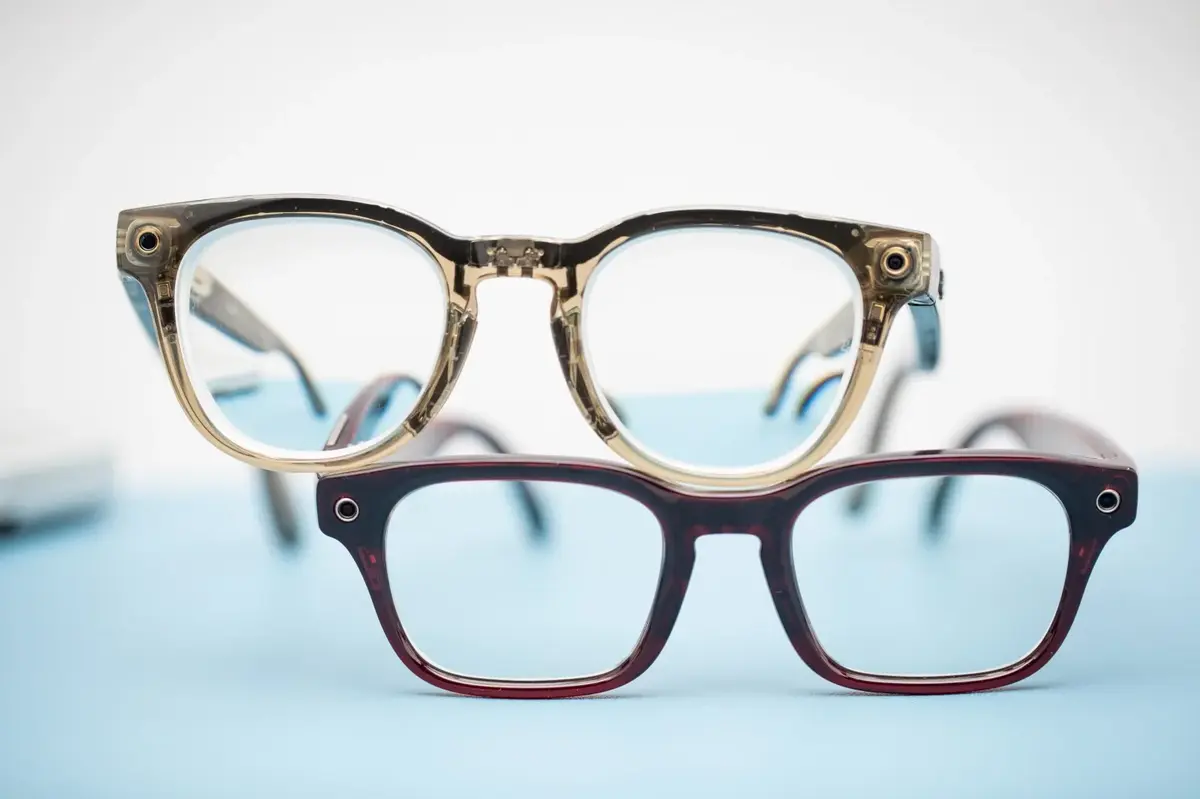 Consequently, the presence of these cameras has created a sense of unease among the public, leading some prominent tech reviewers to stop using the devices entirely.
The Luna Model Focuses on Audio Functionality
The upcoming Luna models will prioritize audio-based interactions rather than visual capture. Users will be able to engage with the Meta AI chatbot simply by pressing a button on the frame, allowing for a seamless hands-free experience. By focusing exclusively on audio, Meta intends to create a thinner, more comfortable, and less intrusive piece of wearable technology. This strategic shift reflects the company’s attempt to normalize the use of smart eyewear by removing the features that trigger the most frequent privacy complaints.
Design Changes Target Social Stigma Issues
Andrew Bosworth, the Chief Technology Officer at Meta, previously confirmed that the organization was exploring more affordable, audio-focused devices to break the negative cycle surrounding its current products. Tech commentator Austin Evans has noted that the current Ray-Ban glasses are frequently viewed with suspicion by bystanders. By stripping away the camera, the company not only simplifies the internal architecture of the device but also addresses the social anxiety that has hindered the widespread adoption of smart glasses. This move is seen as a critical step in distancing Meta from past controversies while continuing to expand its footprint in the augmented reality market.
We would love to hear your thoughts on this strategic shift; do you believe that removing cameras from smart glasses is the right solution to solve the ongoing privacy dilemmas in wearable technology?
Your comment has been submitted,
it will be published after approval.