
Turkey’s National Aircraft Carrier MUGEM Sets Launch for 2027


The construction of Turkey’s ambitious National Aircraft Carrier (MUGEM) is progressing steadily at the Istanbul Shipyard Command, with officials confirming that the vessel is scheduled to be launched on September 27, 2027. This landmark project, which officially commenced with the first steel-cutting ceremony in January 2025, represents a significant leap in the Turkish naval capabilities. By developing its own sovereign aircraft carrier, Turkey aims to join the elite group of nations capable of designing and building such complex maritime platforms, effectively shifting the balance of power in the region through advanced indigenous defense engineering.
- The MUGEM project is expected to be launched at the Istanbul Shipyard Command on September 27, 2027.
- The massive vessel will feature a 60,000-ton displacement and a 285-meter length.
- The carrier will host advanced unmanned aerial platforms including Bayraktar TB3, KIZILELMA, and ANKA III.
- Integration of weapon systems and electronics will continue after the initial launch phase.
This project marks a transformative milestone in the history of Turkish naval aviation and maritime strategic autonomy.
The Ship Features Impressive Technical Specifications
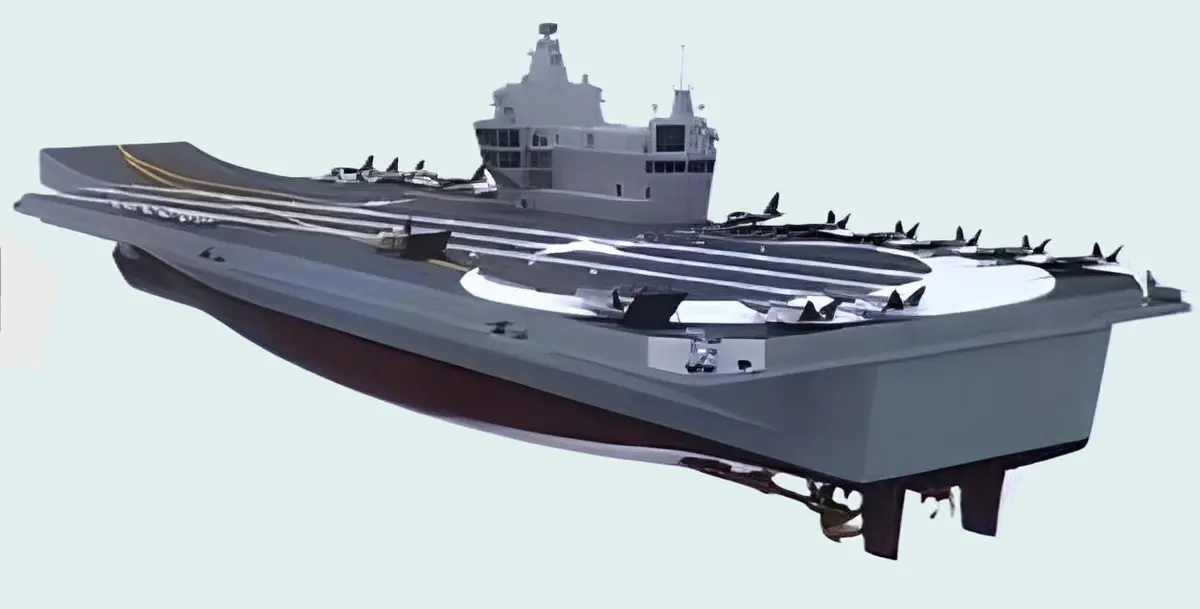
Designed to be a formidable presence on the high seas, the MUGEM is projected to reach approximately 285 meters in length and 72 meters in width. With a total displacement exceeding 60,000 tons, the ship is being engineered using the Short Take-Off But Arrested Recovery (STOBAR) flight deck concept. This configuration is specifically tailored to handle the unique requirements of the next generation of Turkish air power.
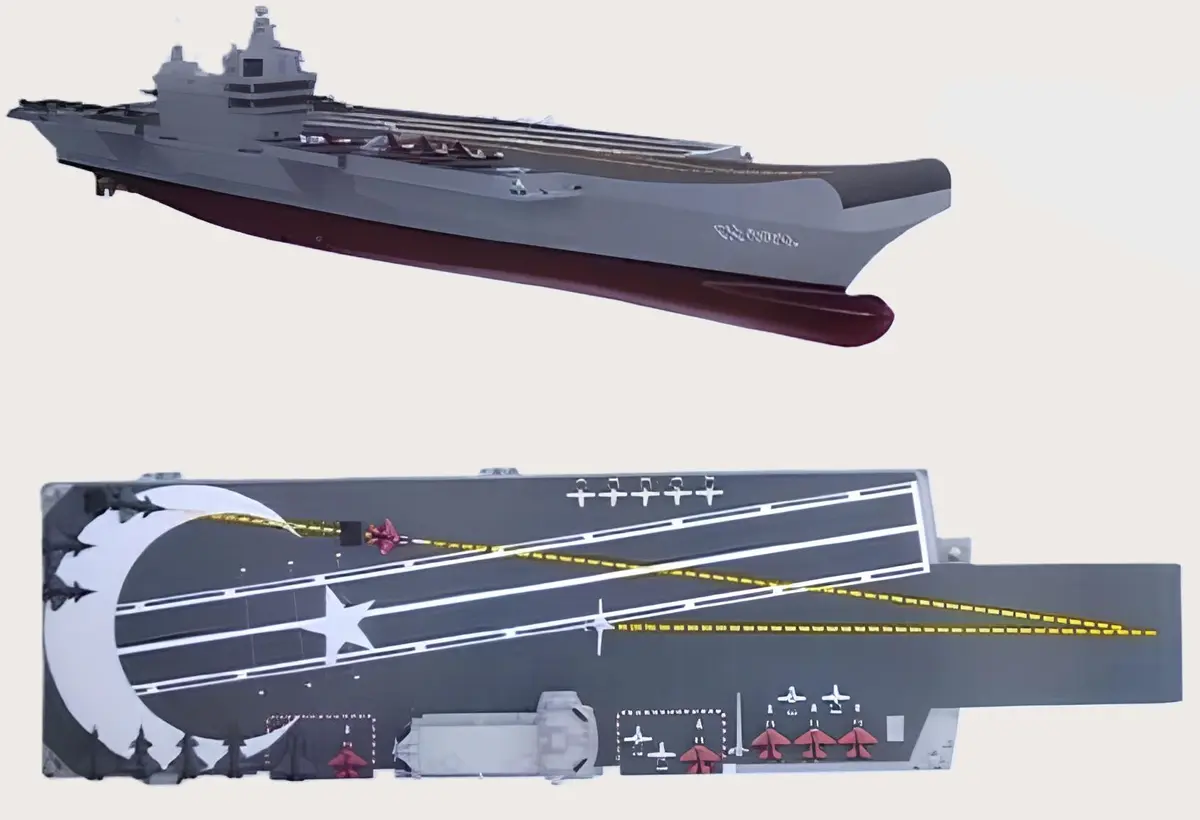
The tactical advantage of this vessel lies in its diverse air wing. Planners are currently finalizing operational protocols to ensure that indigenous manned and unmanned platforms can function seamlessly from the deck. The vessel is designed to accommodate the Bayraktar TB3, KIZILELMA, and ANKA III, creating a highly lethal strike force. Future considerations also include the potential deployment of a naval-specific variant of the HÜRJET lead-in trainer and light attack aircraft.
The Construction Process Follows a Phased Approach
The scheduled launch in 2027 does not signify the completion of the program, as the vessel will enter a critical outfitting phase immediately thereafter. During this period, engineers will focus on the complex installation of electronic suites, advanced sensor arrays, and sophisticated weapon systems. Furthermore, the specialized flight operations infrastructure and propulsion systems will undergo rigorous testing and integration to ensure full mission readiness.
Rear Admiral Recep Erdinç Yetkin, the commander of the Istanbul Shipyard, previously emphasized that the project timeline remains focused on efficiency. The primary goal is to finalize the integration process and complete the delivery of the vessel before the end of the decade, ensuring that the Turkish Navy receives this strategic asset without unnecessary delays.
Turkey intends to complete the final delivery of the MUGEM before 2030.
The Vessel Expands Modern Naval Doctrine
The introduction of the MUGEM is expected to revolutionize how the Turkish Navy conducts maritime operations. By integrating unmanned aerial vehicles as a core component of the air wing, Turkey is pioneering a new standard in carrier-based warfare. This strategic pivot highlights the nation’s commitment to leveraging high-tech, cost-effective solutions for modern naval dominance. The project serves as a cornerstone for future regional security strategies and demonstrates the increasing maturity of the domestic defense industry.
What are your thoughts on how the addition of the MUGEM will change the maritime security landscape in the region? Share your insights and perspectives in the comments section below.
Your comment has been submitted,
it will be published after approval.