
Turkish Navy Deploys Advanced Robots for Girne Shipwreck Search

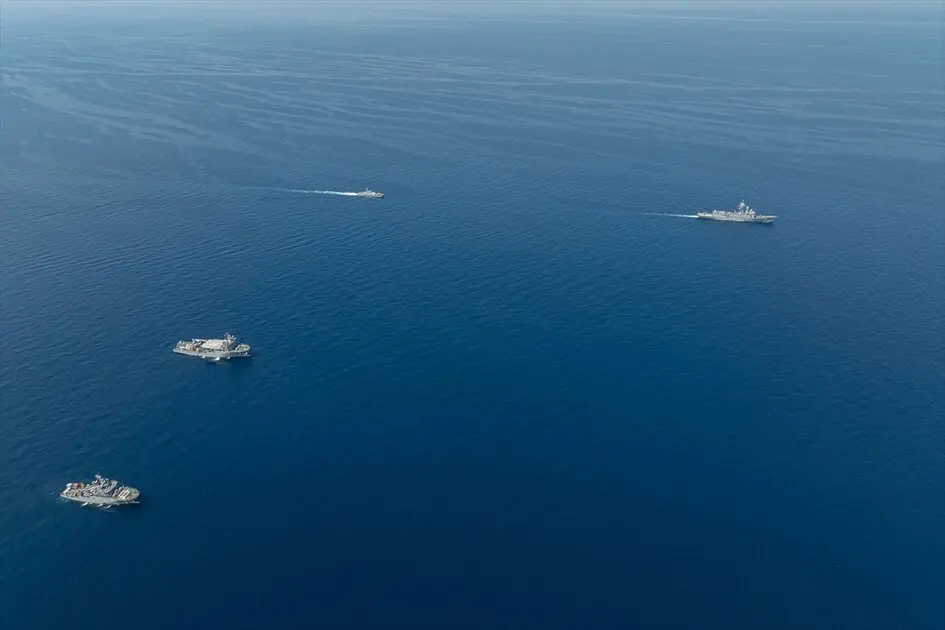
On August 30, a high-speed passenger vessel named Filo Jet, which was operating between Girne, Northern Cyprus, and Taşucu, Mersin, began taking on water from its bow shortly after departing the Girne port. Despite efforts to return to safety, the vessel capsized and sank. Following the incident, the Turkish Naval Forces launched an extensive search and rescue operation, deploying specialized vessels TCG Işın and TCG Alemdar to the scene. Authorities have confirmed that the wreckage of the ship lies at a critical depth of 554 meters, necessitating the use of high-tech underwater robotics to conduct the search and recovery mission. 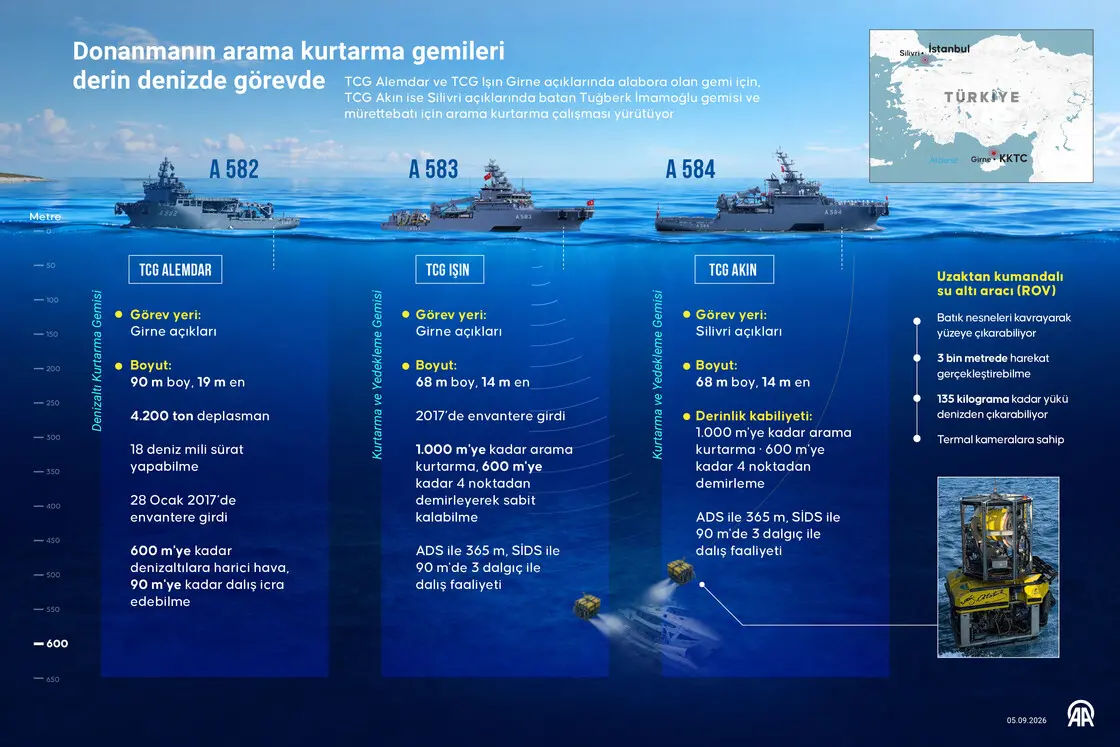
- The Turkish Navy has located the Filo Jet wreckage at a depth of 554 meters using advanced sonar technology.
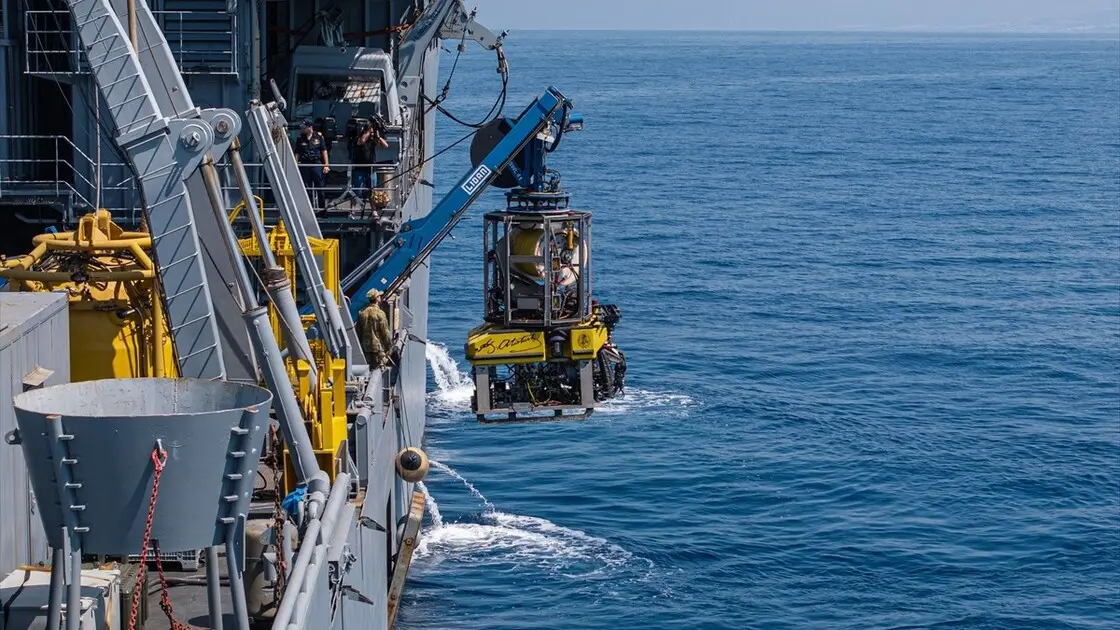
- Remotely Operated Vehicles (ROVs) are performing the search and recovery tasks due to the extreme physiological risks involved in manned deep-sea diving.
- A total of 9 ships and 11 aircraft are coordinating to conduct 24-hour search operations across the affected maritime zone.
Deep-Sea Operations Present Significant Challenges
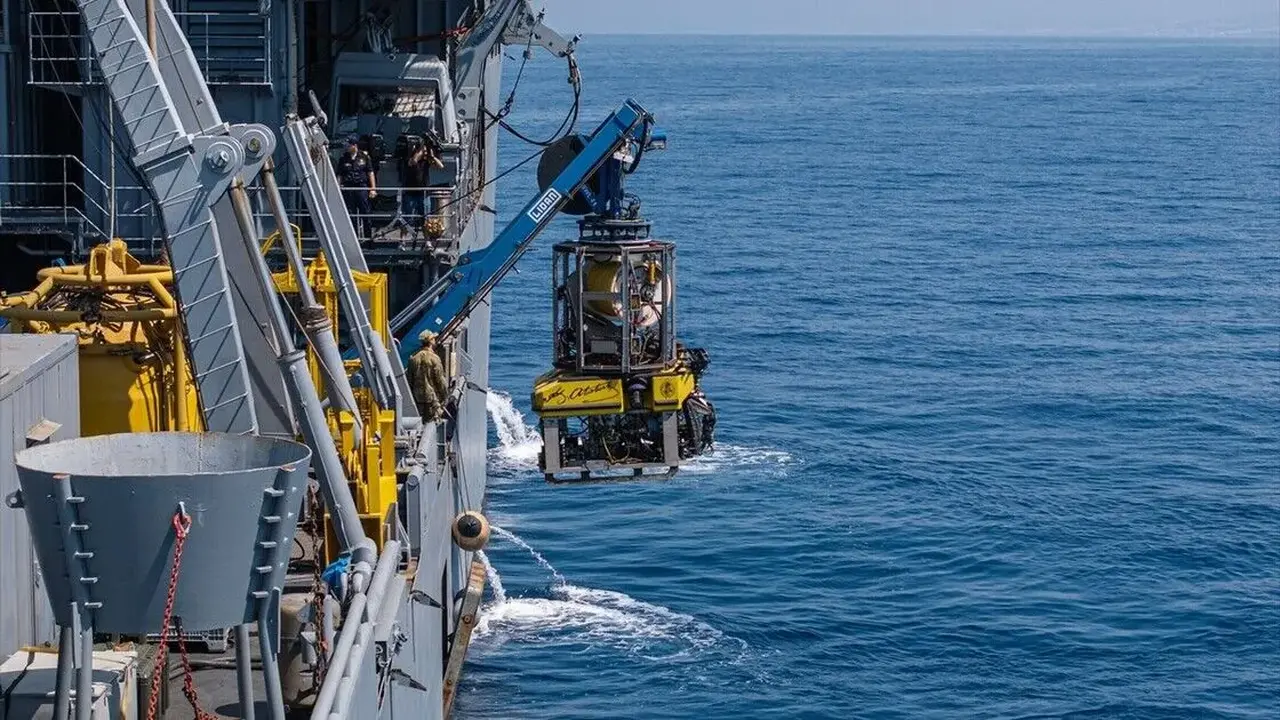
A depth of 554 meters makes traditional human diving methods impossible due to extreme water pressure and decompression requirements. To mitigate these risks, the military utilizes Remotely Operated Vehicles (ROVs) that are controlled via cables from the surface. 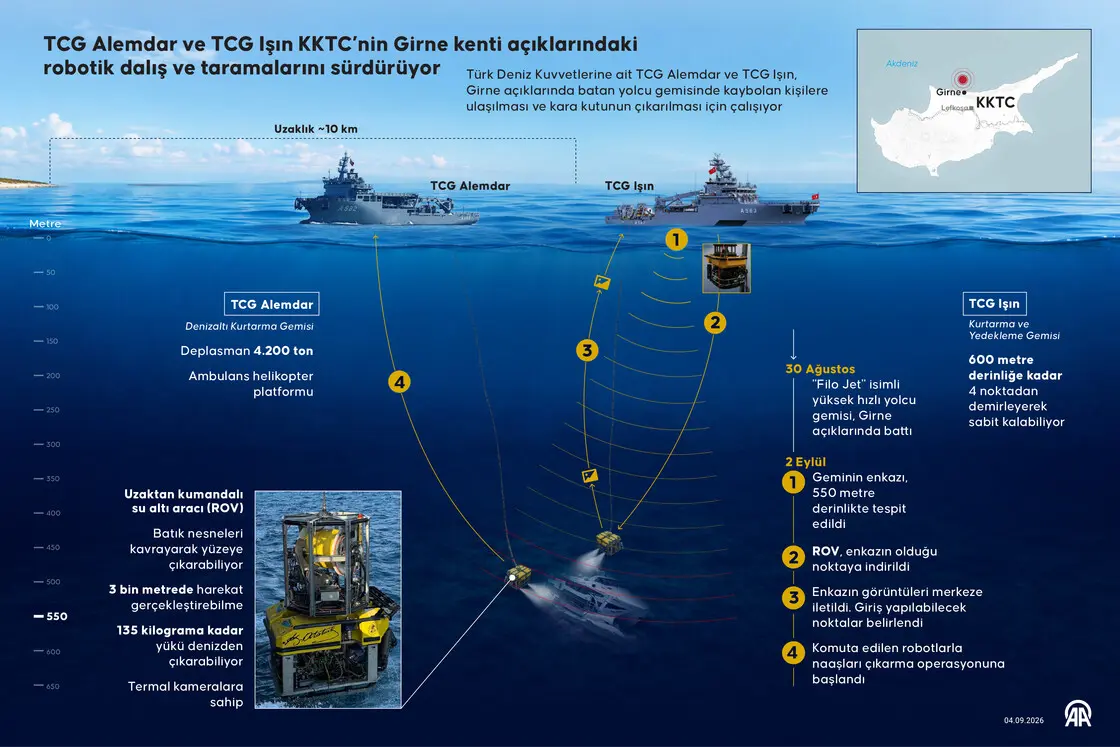 These systems are equipped with high-definition cameras, thermal sensors, and manipulator arms, allowing operators to navigate the wreckage and retrieve objects in real-time. One of the deployed ROVs can operate at depths of up to 1,000 meters and possesses the capability to lift items weighing as much as 135 kilograms.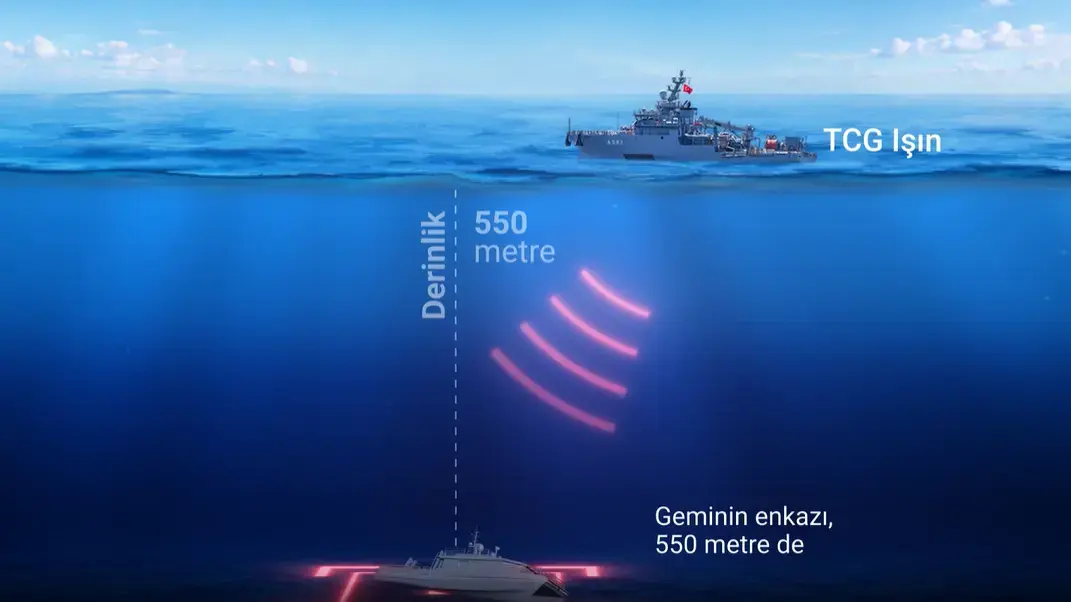
TCG Işın Scans the Seabed
The first phase of the operation focused on accurately locating the wreckage. Arriving on September 1, TCG Işın initiated a systematic scan of the seafloor. The vessel carries a crew of 60 personnel alongside a team of 15 elite divers. 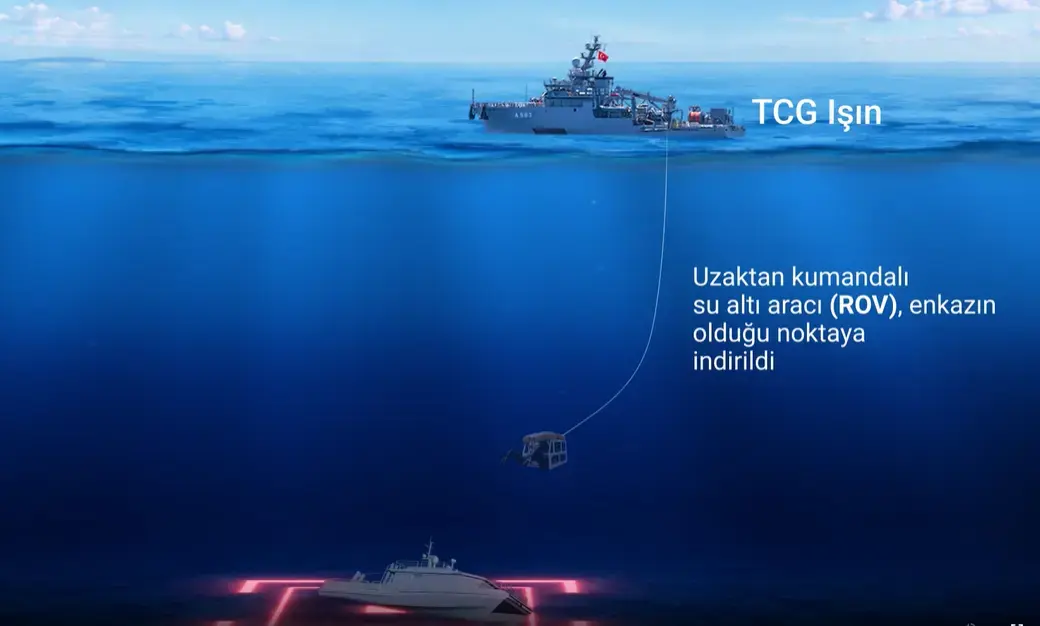 The crew utilized two critical sonar technologies: Side-Scan Sonar (SSS) for identifying irregularities on the seabed, and Multi-Beam Echo Sounder (MBES) for creating detailed three-dimensional maps of the surrounding terrain.
 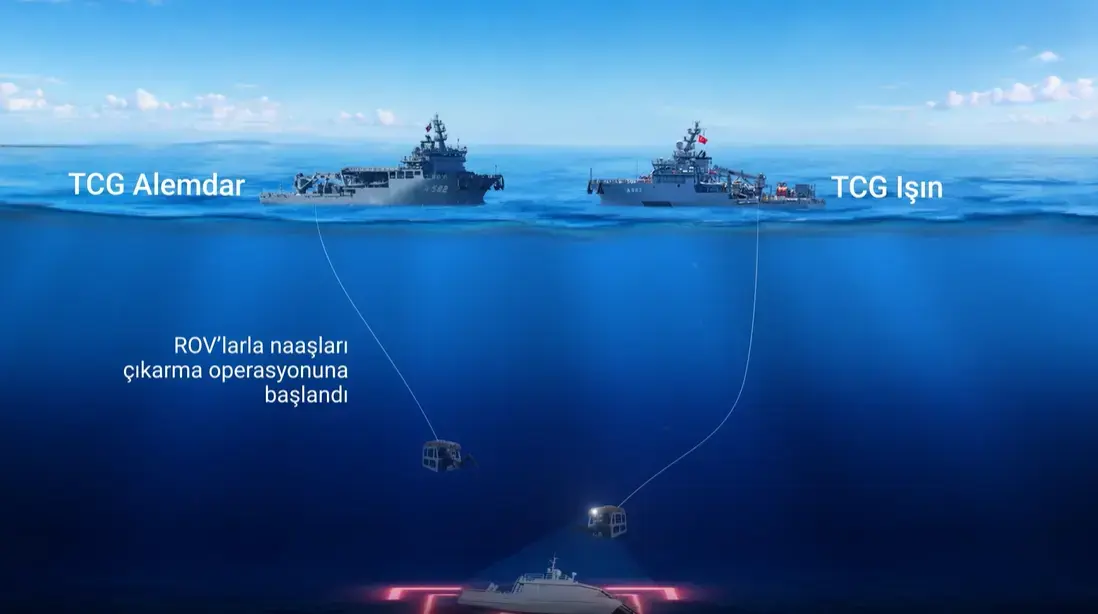 These technologies allowed the team to successfully narrow down the search area and pinpoint the location of the sunken vessel by September 2.
TCG Alemdar Manages the Recovery Mission
Once the wreckage was identified, TCG Alemdar took the lead in the second phase of the operation. 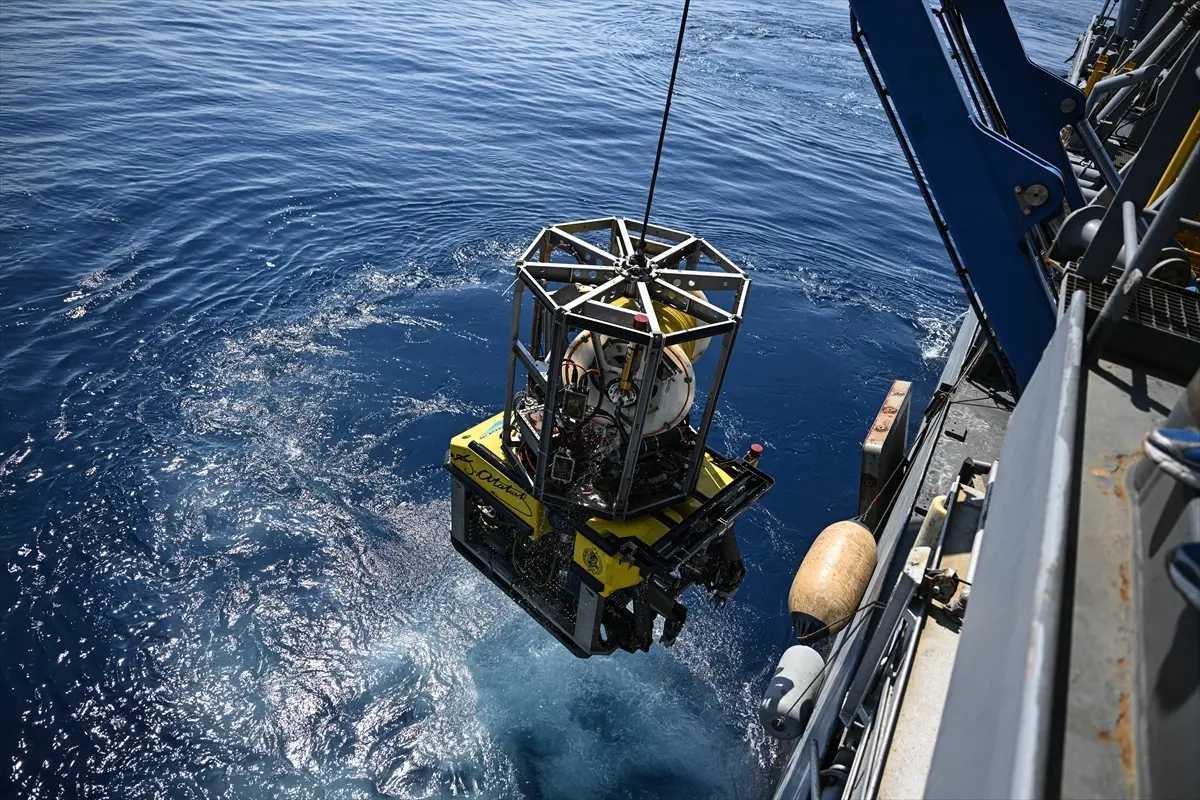 This vessel, designed specifically for submarine rescue and underwater tasks, has been operating on a 24-hour basis since September 2. Its primary objectives include locating missing individuals and retrieving the vessel’s black box. The ship is equipped with a landing platform for medical helicopters and advanced dynamic positioning systems, which keep the vessel stable against currents and wind.
 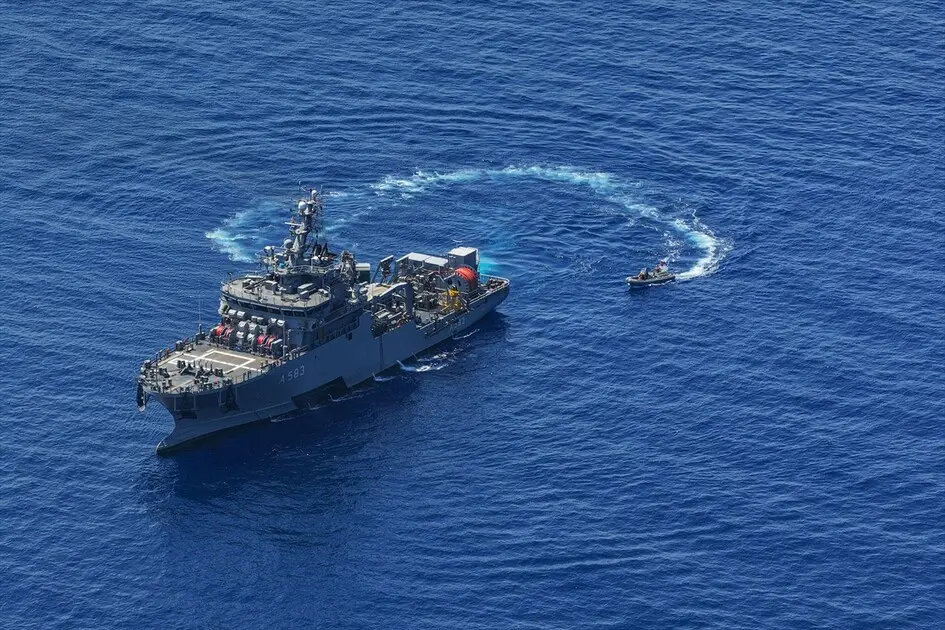 Maintaining a stable position is vital, as even minor drifts can jeopardize the integrity of the ROV cables stretched hundreds of meters below the surface.
  Managing these variables requires a sophisticated blend of robotics, engineering, and human expertise.
  As of September 5, 2026, the operation continues with the goal of providing closure for the families affected by this tragic maritime accident.
We value your thoughts on the technological capabilities of modern maritime search and rescue operations; please share your perspective in the comments section below.
Your comment has been submitted,
it will be published after approval.