
Why iPhone Duo FaceTime Eye Contact Feature Is Missing


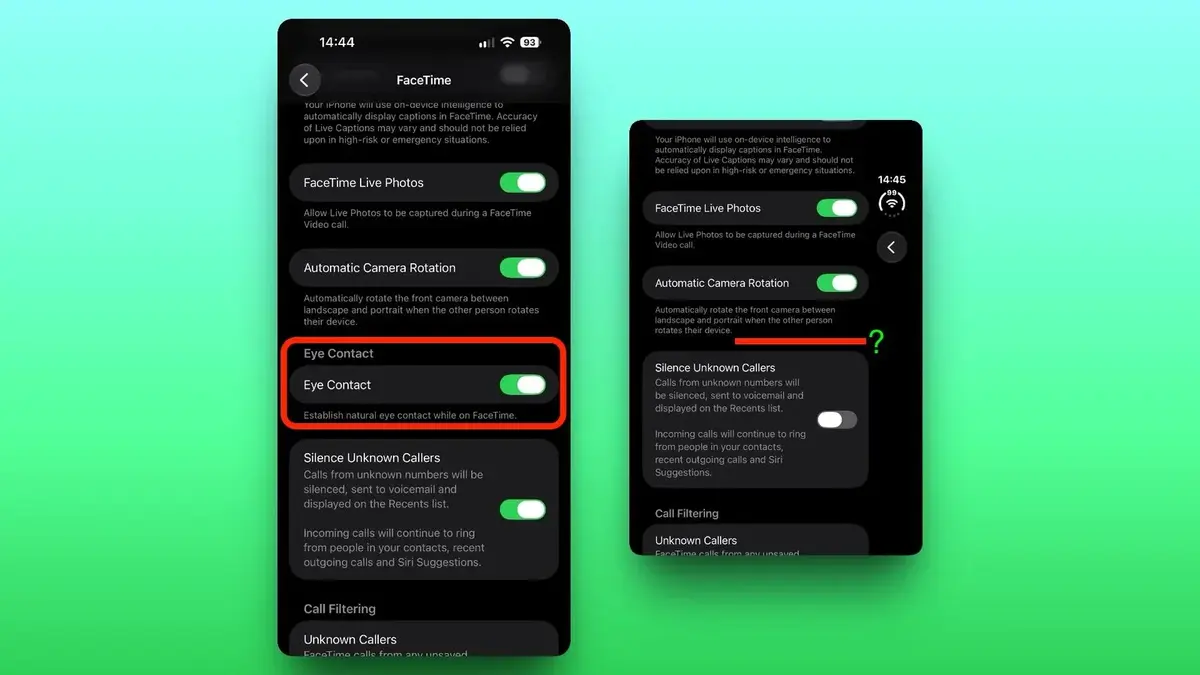
Owners of the new iPhone Duo have recently identified a notable absence in the device’s feature set: the FaceTime eye contact feature is currently unavailable during video calls. This discrepancy was initially highlighted by users on the MacRumors forum and has since been confirmed through independent technical evaluations. First introduced in iOS 14, the eye contact feature utilizes sophisticated machine learning algorithms to digitally adjust a user’s gaze, creating the illusion of direct eye contact even when they are looking at the screen rather than the camera lens. The exclusion of this capability on Apple’s latest foldable model has sparked a discussion regarding the limitations of cutting-edge hardware designs.
- The FaceTime eye contact feature remains unavailable on the new iPhone Duo device.
- The device’s unique under-display camera placement creates significant technical hurdles for gaze correction algorithms.
- Apple has not yet clarified whether future software updates will resolve this specific feature limitation.
Under-Display Camera Placement Complicates Precise Gaze Alignment
The primary reason for the omission of the eye contact feature appears to be linked to the device’s innovative design. Unlike standard iPhone models, the iPhone Duo incorporates an under-display camera located on the right side of the screen. This positioning creates a substantial offset that the current software, originally calibrated for centered lenses, struggles to compensate for effectively. Because the camera is distant from the center of the display where the participant’s face typically appears, the geometric calculation required to simulate a natural gaze becomes significantly more complex than on traditional models.
Foldable Architecture Influences Software Performance Constraints
The folding nature of the iPhone Duo introduces additional variables that complicate the implementation of gaze-correction technology. As the device transitions between folded and fully open states, the perspective of the camera relative to the user changes dynamically. Currently, Apple restricts eye-tracking accessibility features to instances where the device is fully unfolded to maintain stability. The software must continuously calculate the camera’s position based on the specific state of the foldable screen, which may prevent the eye contact effect from being applied with the required level of consistency and accuracy.
Hardware Speculations Remain Unverified by Apple Representatives
While some observers have suggested that the lack of the TrueDepth camera system might be responsible for this limitation, this theory remains speculative. The feature has previously existed on devices using Touch ID, such as older iPhone SE models, suggesting that the issue is likely rooted in software optimization for new hardware rather than a total hardware deficit. The under-display camera technology requires a new approach to image processing that Apple is likely still refining. Technical inquiries directed at Apple regarding a potential fix have yet to receive a formal response, leaving consumers to wait for future firmware adjustments.
Does the absence of such software-driven features influence your decision to purchase innovative hardware like the iPhone Duo, or do you prioritize form factor over these specific utilities? Please share your thoughts in the comments section below.
Your comment has been submitted,
it will be published after approval.