
Turn Your Electric Vehicle Into a Powerbank for Income

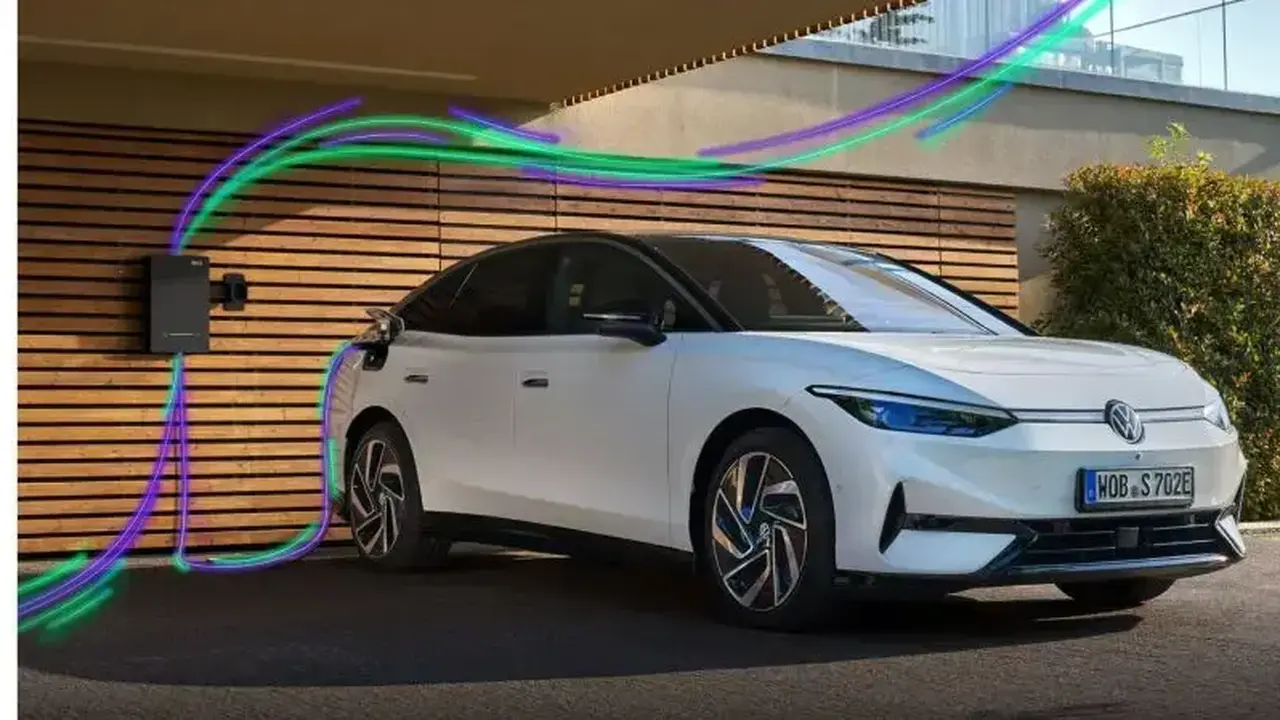
A revolutionary shift in the automotive industry is transforming how owners perceive their vehicles, as new Vehicle-to-Grid (V2G) projects in Massachusetts are turning electric cars into active energy assets. By utilizing bidirectional charging infrastructure, parked electric vehicles can now function as mobile power plants, allowing owners to generate passive income by feeding stored energy back into the municipal grid. This development marks a departure from traditional car ownership, where vehicles remain idle for most of their lifespan, effectively positioning EVs as critical components of a modern, decentralized energy ecosystem.
- Vehicle-to-Grid (V2G) technology enables electric vehicles to discharge stored electricity back into the power grid during peak demand hours.
- Owners can earn significant financial incentives, with some programs offering up to $2,750 annually for participating in grid support.
- Virtual Power Plants (VPPs) aggregate battery capacity from thousands of vehicles to stabilize energy supply without relying on fossil-fuel-based backup plants.
Electric vehicles are evolving from simple transportation tools into essential nodes of the national energy infrastructure.
How V2G Systems Operate for Financial Gain
The core concept behind V2G technology is to capitalize on the fact that most vehicles spend approximately 95% of their time parked. Instead of leaving this battery capacity unused, V2G systems allow energy to flow from the vehicle to the grid during hours of high electricity demand, such as late afternoons when air conditioning usage spikes. 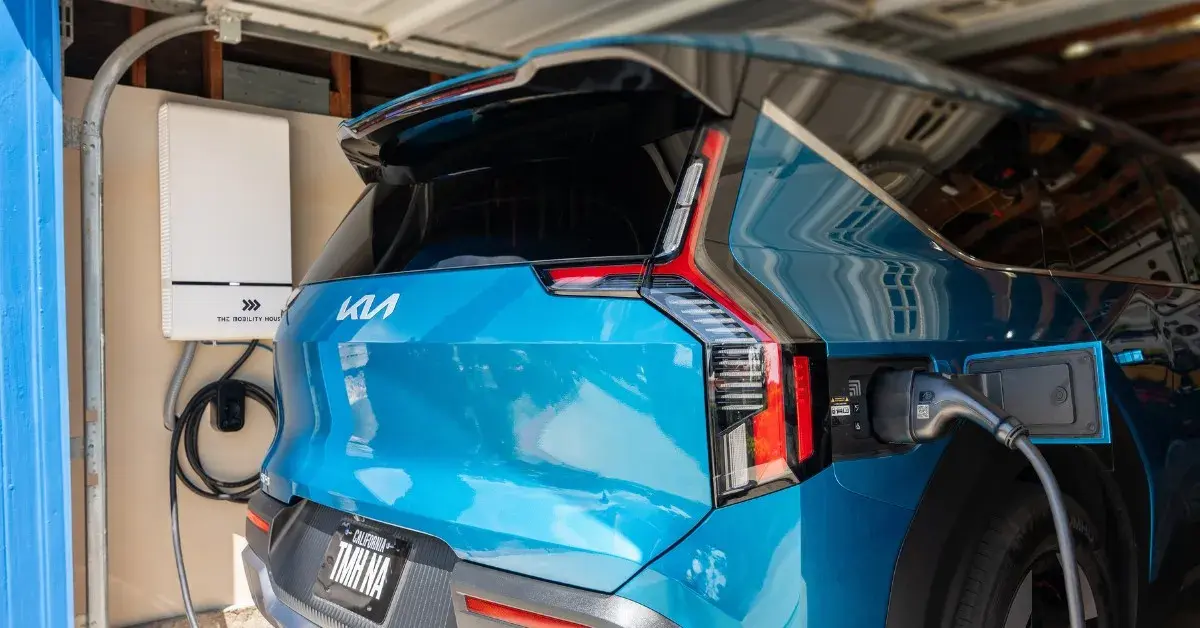
The financial model is straightforward: owners charge their vehicles during off-peak night hours when electricity rates are low and sell that energy back to the utility provider when prices peak. This process allows drivers to recoup a portion of their vehicle ownership costs while simultaneously helping to reduce the overall burden on the energy grid.
Why Virtual Power Plants Are Becoming Essential
Renewable energy sources like wind and solar are inherently intermittent, creating challenges for grid stability. To compensate for sudden drops in supply, utilities have historically relied on carbon-heavy, fossil-fuel-powered peaker plants. Virtual Power Plants (VPPs) solve this by connecting thousands of electric vehicle batteries through a centralized software platform. 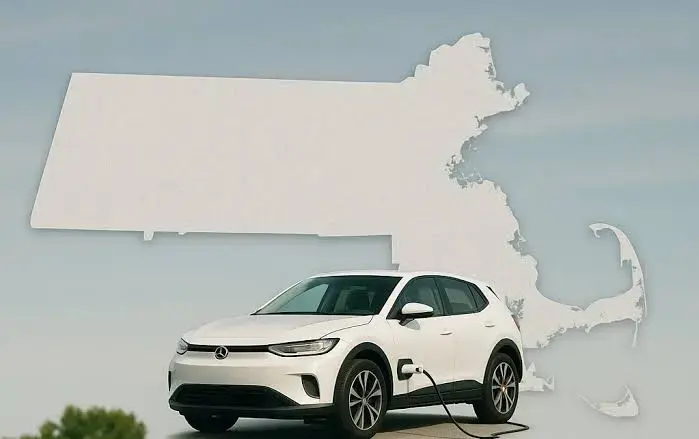
A collective fleet of electric vehicles can stabilize a city’s power grid within seconds when demand fluctuations threaten a blackout.
How Battery Health is Managed During Energy Transfers
A common concern among EV owners is whether frequent charging and discharging cycles will accelerate battery degradation. However, engineering data suggests that V2G operations are highly controlled to protect long-term battery health. By maintaining the state of charge within the optimal 20% to 80% range and employing low-current discharge rates, the system avoids the stressors typically associated with aggressive driving or extreme temperature conditions.
How Manufacturers Are Adapting Their Business Models
Automotive giants such as Ford, Kia, and Volvo are now integrating bidirectional charging capabilities as a standard feature in their latest models. This shift indicates that future vehicle purchasing decisions will likely prioritize energy ecosystem integration and battery management software over raw horsepower alone. As the energy transition accelerates, the role of the car will continue to expand far beyond mobility.
We are curious to hear your thoughts on this energy shift. Do you believe that allowing your car to power your home or sell electricity to the grid will become a standard feature for all drivers in the coming years? Share your perspective in the comments section below.
Your comment has been submitted,
it will be published after approval.