
TUSAS Commences Production of Upgraded ANKA-3 Unmanned Combat Aircraft

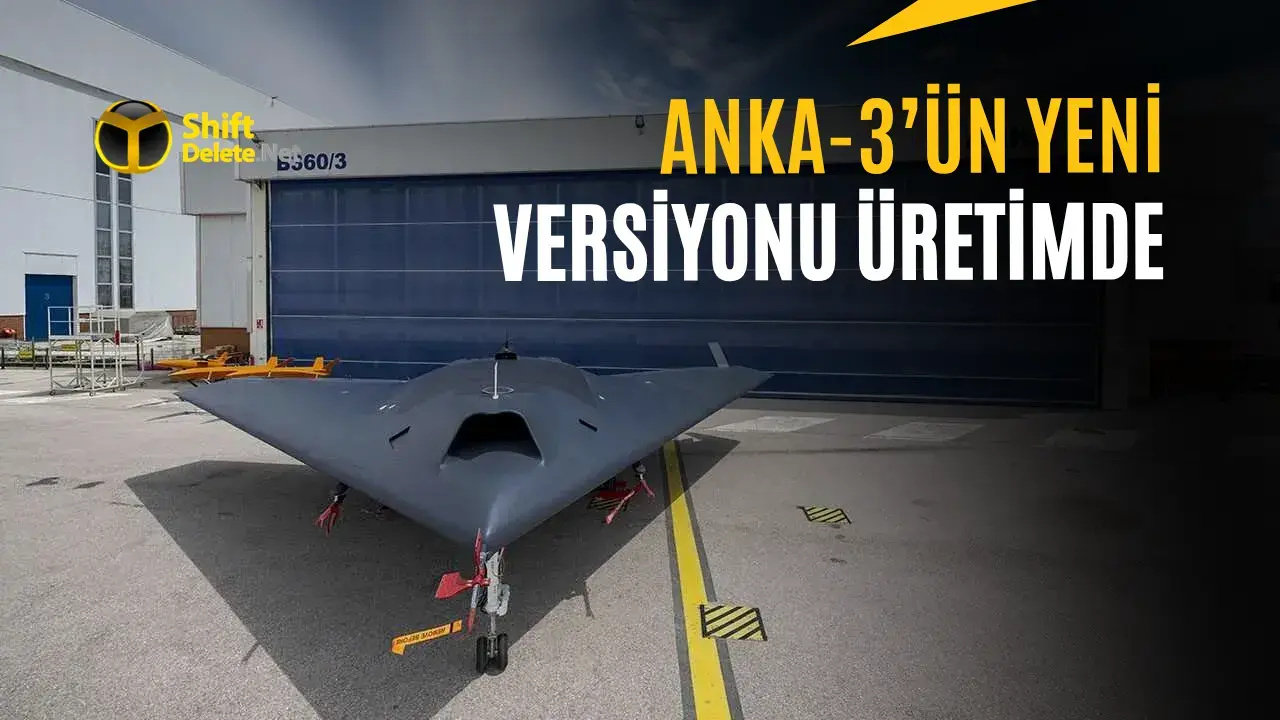
Turkish Aerospace Industries (TUSAS) has officially transitioned into a critical phase regarding the development of a new configuration for its sophisticated ANKA-3 unmanned combat aircraft. General Manager Mehmet Demiroğlu announced that the design of the platform has been comprehensively updated following extensive flight and ground test evaluations of the original prototype. By integrating data-driven improvements into the airframe, the company has officially commenced the production of an upgraded version of the ANKA-3. This advanced iteration is designed to deliver superior operational capabilities, marking a significant milestone in Turkey’s ongoing push for advanced autonomous defense technology and aerial supremacy.
- The payload capacity of the ANKA-3 has been increased from 1,200 kilograms to 1,700 kilograms.
- Design updates now prioritize extending the total flight endurance of the unmanned platform.
- TUSAS targets the inaugural flight of this new configuration for late 2026 or sometime in 2027.
Payload Capacity Has Been Significantly Increased
One of the most vital enhancements implemented in the new configuration involves the expansion of the aircraft’s internal weapons carriage capacity. While the initial prototype was capable of carrying approximately 1,200 kilograms of ordnance, engineers have successfully raised this limit to 1,700 kilograms.
This weight increase ensures the aircraft can deploy a wider variety of heavy munitions for diverse tactical requirements.
By boosting the payload capacity, the ANKA-3 gains the flexibility required to perform more complex strike missions without sacrificing its stealth-oriented flying wing architecture. This adjustment allows the platform to remain a versatile asset in modern air combat scenarios where heavy firepower is often a prerequisite for success.
Operational Endurance Has Been Greatly Improved
Beyond the raw increase in payload, TUSAS has focused on optimizing the overall performance of the platform based on real-world flight data. The updated design aims to maximize the time the aircraft can spend in contested airspace.
The modifications to the airframe and systems architecture are intended to extend the loitering duration, allowing the ANKA-3 to maintain persistent surveillance or standby strike capabilities for longer intervals than its predecessor. This improvement reflects a strategic shift toward long-endurance autonomous operations, which is essential for deep-strike and intelligence-gathering missions.
The First Flight Is Scheduled for 2027
Following the current production phase, the aircraft will undergo rigorous testing to validate the integration of the new components and performance upgrades. According to official statements from TUSAS, the developmental timeline suggests that the maiden flight of this upgraded configuration is expected to occur by the end of 2026 or during the course of 2027.
The flying wing design combined with reduced radar cross-section remains the core of this platform’s strategic advantage.
The ongoing refinement of the ANKA-3 demonstrates TUSAS’s commitment to evolving its unmanned combat platforms through iterative testing and engineering. As the project advances, it continues to solidify its place as a cornerstone of Turkey’s aerial defense portfolio, promising enhanced operational flexibility and combat effectiveness in the years to come.
What are your thoughts on the strategic impact of the ANKA-3’s increased payload and endurance capabilities on future aerial warfare? Share your insights and join the discussion in the comments section below.
Your comment has been submitted,
it will be published after approval.