
TÜVTÜRK Issues Essential Pre-Inspection Checklist for Vehicle Safety

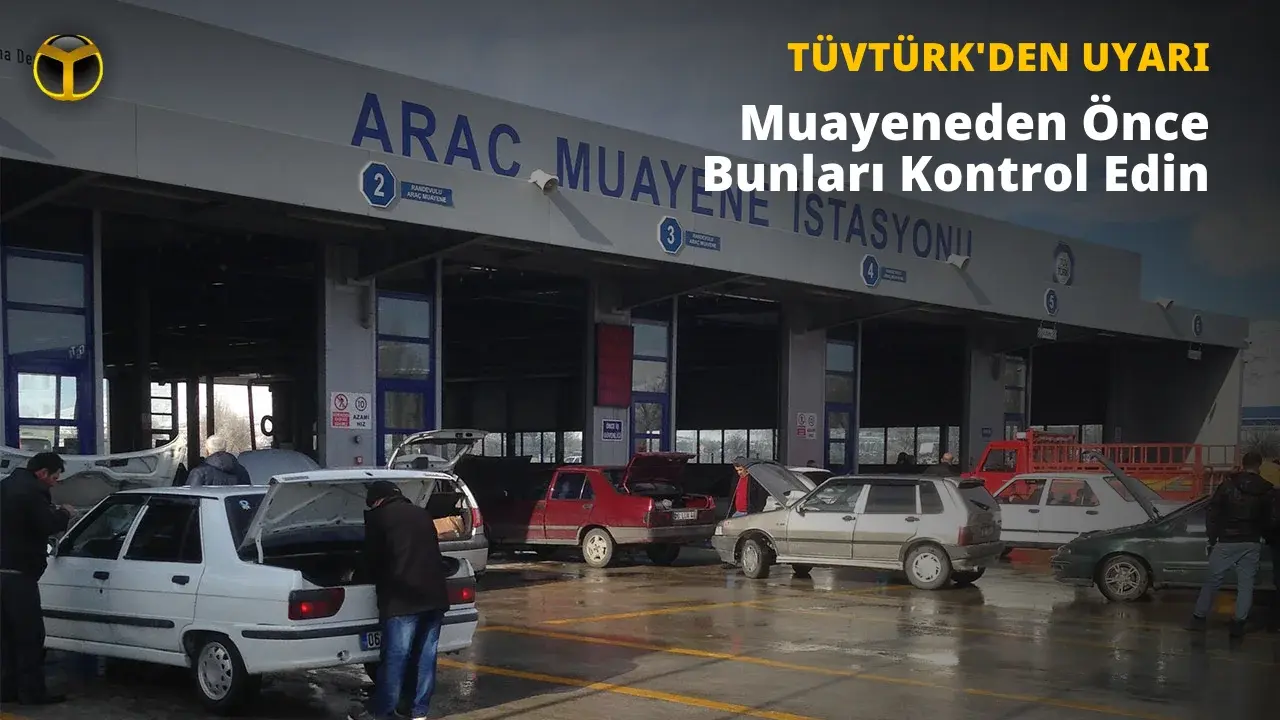
TÜVTÜRK, the official vehicle inspection authority in Turkey, has released a comprehensive guide urging drivers to perform essential safety checks before their scheduled vehicle inspection. By proactively reviewing basic mechanical and safety components, vehicle owners can ensure a significantly smoother and faster inspection process while enhancing overall road safety. This guidance emphasizes that regular maintenance is not only a legal requirement but a fundamental responsibility for every driver to prevent potential failures during the official assessment. Following these manufacturer-recommended procedures helps reduce the high rate of re-inspection failures caused by easily preventable technical oversights during the mandatory inspection.
- TÜVTÜRK mandates that drivers verify the functionality of all lighting, braking systems, and essential safety equipment before arrival.
- Data indicates that lighting malfunctions and brake system imbalances represent the most frequent causes for inspection failure.
- The consortium TURKA will assume responsibility for providing vehicle inspection services during the upcoming 2027-2047 period.
Vehicle Owners Must Verify Safety Components
The preparation process for a vehicle inspection begins with a thorough external examination. Owners should inspect tire pressure and tread depth, as tires are the primary contact point between the vehicle and the road. Furthermore, all lighting systems, including headlamps, turn signals, and brake lights, must be fully operational to pass the test. 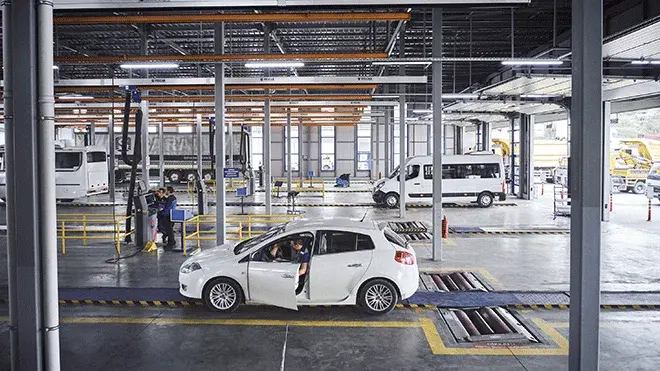 Windshield integrity, mirror condition, and the efficiency of windshield wipers are also critical factors that inspectors evaluate during the session.
Neglecting minor vehicle maintenance leads to unnecessary inspection failures for thousands of drivers annually.
Mechanical Systems Require Close Attention
Beyond external aesthetics, the internal mechanical health of the vehicle requires rigorous scrutiny. Any unusual vibrations, grinding noises, or pulling sensations when applying brakes indicate a need for professional intervention before visiting the center. Dashboard warning lights must never be ignored, as they often signal underlying faults in the engine or electronic control units that can lead to an automatic failure during the emission or system check. Additionally, ensuring that mandatory safety kits—specifically the first aid kit, fire extinguisher, and reflective triangles—are present and within their expiry dates remains a non-negotiable requirement.
Common Technical Deficiencies Are Identified
Statistical data gathered by TÜVTÜRK reveals that rear service brake imbalances and inadequate parking brake performance constitute the most prevalent technical issues. Beyond braking, improper headlight alignment and non-compliant modifications, such as unauthorized LED bulb installations, frequently result in rejection. The absence of a valid exhaust gas emission certificate remains another common hurdle that prevents vehicles from receiving approval. Standardized equipment is vital, as non-compliant modifications directly threaten both the vehicle’s roadworthiness and the safety of other road users.
New Service Providers Are Appointed
Looking toward the future of the industry, a significant transition is underway for the 2027-2047 service cycle. A new structure named TURKA has been established to manage vehicle inspection operations across the country. This consortium represents a strategic partnership between the Met-Gün Group, the United States-based Opus Group, the Spanish firm Itversia Gestion S.L, and VTV Norte SA. This transition aims to modernize service delivery and maintain high safety standards throughout the next two decades.
We would like to hear about your experiences during your last vehicle inspection; what specific points do you check personally before arriving at the station?
Your comment has been submitted,
it will be published after approval.