
US Air Force Awards Boeing $163M for B-52 Modernization

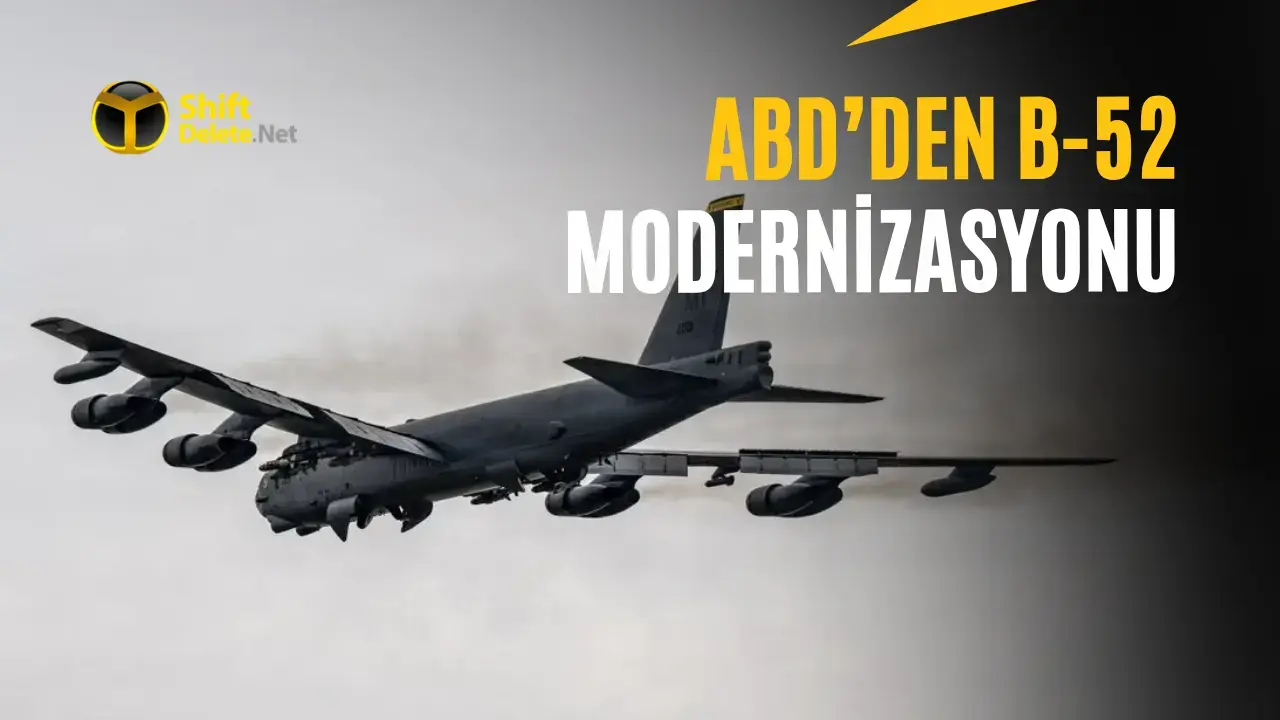
The United States Air Force has officially awarded Boeing a $162.97 million contract to supply Bomb Rack Modernization System (BRMS) kits, marking a significant step in the ongoing upgrade of the legendary B-52H Stratofortress fleet. This order, finalized under an existing Indefinite Delivery/Indefinite Quantity (IDIQ) agreement established in 2019, will see work conducted primarily at Boeing’s facilities in San Antonio, Texas. The project is scheduled for completion by December 2028, with approximately $35 million allocated from the fiscal year 2026 budget to support these critical enhancements to the Cold War-era bomber’s operational capabilities.
- Boeing received a $163 million contract to modernize the B-52H Stratofortress bomb rack systems.
- The project is part of a larger 21 billion dollar effort to extend the aircraft’s service life through 2050.
- The modernization includes the replacement of legacy mechanical radars with advanced AESA radar systems.
- Engine upgrades featuring Rolls-Royce F130 engines will improve fuel efficiency and power generation.
New Hardware Will Boost Operational Capabilities
The acquisition of these bomb rack kits is not an isolated effort but rather a fundamental component of the broader Radar Modernization Program (RMP). The current mechanical AN/APQ-166 radar system is slated for retirement, to be replaced by the sophisticated AN/APQ-188 Active Electronically Scanned Array (AESA) radar. This transition is expected to drastically improve target detection and identification, while also enhancing the crew’s situational awareness during adverse weather conditions.
Beyond the radar and bomb racks, the comprehensive upgrade package includes a total overhaul of the flight deck and internal processing architecture. New mission computers, high-resolution cockpit displays, and modernized radar control systems are being integrated to ensure that the bomber remains a viable threat well into the future. Furthermore, an upgraded cooling infrastructure is being installed to support the increased thermal load generated by these next-generation electronic systems.
The Fleet Will Transition to the B-52J Designation
As these extensive modifications are implemented, the Air Force plans to reclassify the upgraded aircraft as the B-52J. This transition signifies a generational leap in technology, moving the platform far beyond its original design parameters. A critical element of this transformation involves the replacement of the aging TF33 engines with state-of-the-art Rolls-Royce F130 turbofans. These new engines will not only provide significantly higher fuel efficiency but will also enhance the electrical power capacity of the aircraft, which is essential for powering the updated electronic warfare and sensor suites.
The long-term vision of the U.S. military is to maintain the B-52 fleet in active service through 2050 and beyond. According to a report released by the Government Accountability Office (GAO) in July 2026, the cumulative investment required for these modernization efforts is projected to reach approximately $21 billion. This investment reinforces the strategic importance of the Stratofortress as a backbone of the American long-range strike capability, ensuring that the fleet remains agile and relevant in a rapidly evolving global security landscape.
Given the massive investment into keeping the B-52 flying for another three decades, how do you view the role of legacy platforms in modern air warfare? Share your thoughts on whether these upgrades are sufficient to counter modern threats in the comments section below.
Your comment has been submitted,
it will be published after approval.