
US Authorities Shut Down 400 Illegal FIFA World Cup Sites

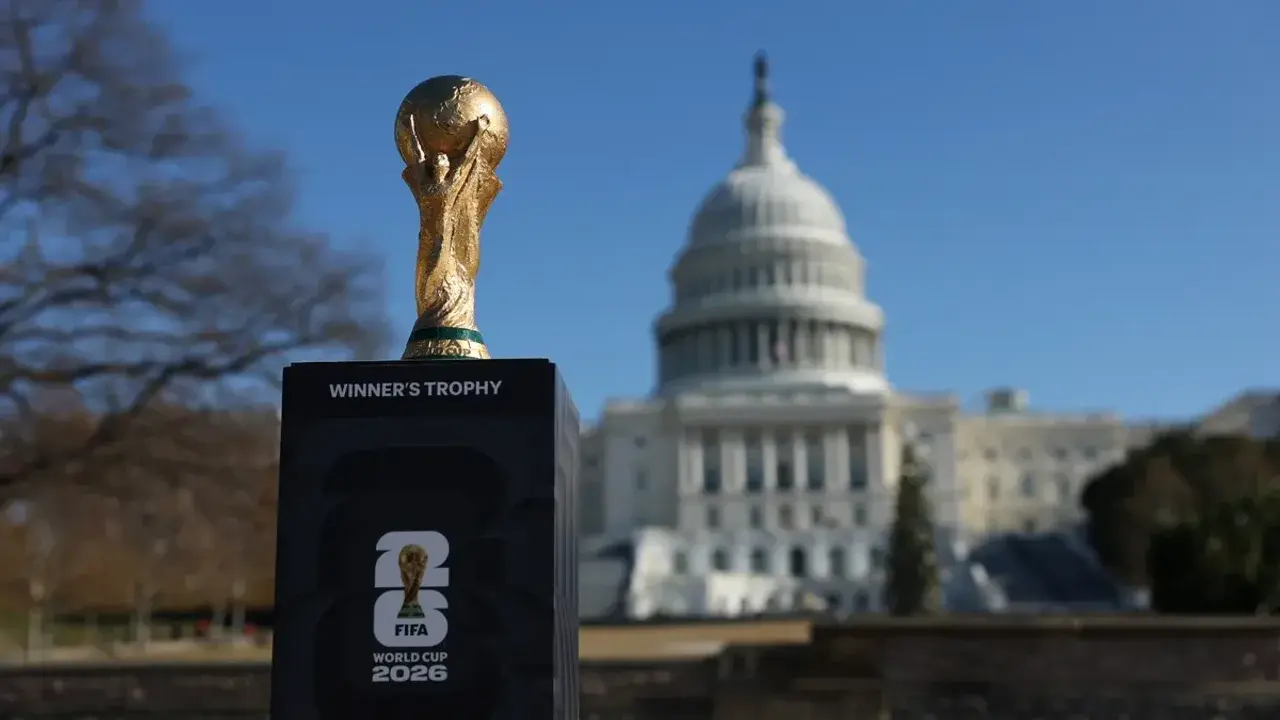
In a major crackdown known as Operation Offsides, the United States Department of Justice has successfully shuttered approximately 400 illegal streaming websites that were broadcasting 2026 FIFA World Cup matches without authorization. This coordinated international effort, led by federal authorities and global intellectual property enforcement networks, aimed to dismantle sophisticated criminal operations that were profiting from illicit sports broadcasts. By taking these domains offline, the U.S. government seeks to uphold strict copyright laws and protect both the tournament’s integrity and the digital security of millions of unsuspecting sports fans who might have otherwise fallen victim to these predatory sites.
- Federal authorities disabled 400 domains involved in the illegal distribution of 2026 World Cup content.
- The operation targeted international criminal networks exploiting the popularity of the global football tournament.
- Officials identified significant cybersecurity risks for users accessing these unauthorized streaming platforms.
Federal Authorities Target Digital Piracy Networks
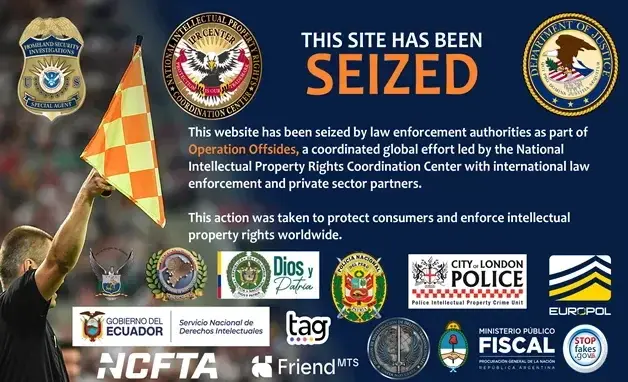
The U.S. government has intensified its stance against digital piracy as the 2026 FIFA World Cup continues to draw massive global attention. The Department of Justice, working alongside international law enforcement partners, launched this offensive to disrupt the revenue streams of entities operating outside the bounds of international copyright law. Many of the domain names seized by the government now display a stern notification informing visitors that the site has been shut down due to federal investigation and legal violations.
A. Tysen Duva, the Principal Deputy Assistant Attorney General for the Criminal Division, noted that these criminal networks specifically target the massive interest surrounding the World Cup to deceive consumers. These actors frequently use the promise of free or low-cost access to live matches as bait, luring users into a dangerous digital trap that extends far beyond simple copyright theft.
These illegal streaming platforms function as hubs for malware distribution and personal data harvesting.
Cybersecurity Risks Threaten Unsuspecting Viewers
Beyond the obvious legal implications, the primary concern for officials remains the safety of the general public. While many users believe they are simply watching a football match for free, they are often unknowingly participating in a broader scheme that compromises their personal network security. These illegal sites often require users to bypass traditional security measures, effectively turning the viewers’ own IP addresses and local networks into conduits for malicious activity.
The FBI had previously issued a warning in May 2026, alerting the public to the surge in fraudulent domains registered under the guise of selling match tickets or providing exclusive broadcast access. These bad actors often mask their traffic through the devices of their users, granting the criminal network a layer of anonymity while simultaneously exposing the victims to identity theft and software infections. The complexity of these schemes makes them a top priority for cybersecurity task forces worldwide.
Protecting the integrity of the tournament remains a primary responsibility for the host nation.
Legal Consequences Await Involved Parties
As the host nation for the 2026 FIFA World Cup, the United States has assumed a proactive role in securing the digital landscape against illicit actors. The intervention serves as a clear warning that the distribution of protected content will face immediate legal consequences. Officials have confirmed that investigations into the individuals and organizations behind these 400 sites are ongoing, with further legal actions expected as authorities trace the broader criminal networks involved in the operation.
Given the serious security risks posed by these illegal streaming platforms, we would like to hear your thoughts on the matter. Do you believe that these government-led shutdowns are an effective method for protecting digital privacy, or are there other strategies that could better safeguard the public from online threats? Share your opinions in the comments section below.
Your comment has been submitted,
it will be published after approval.