

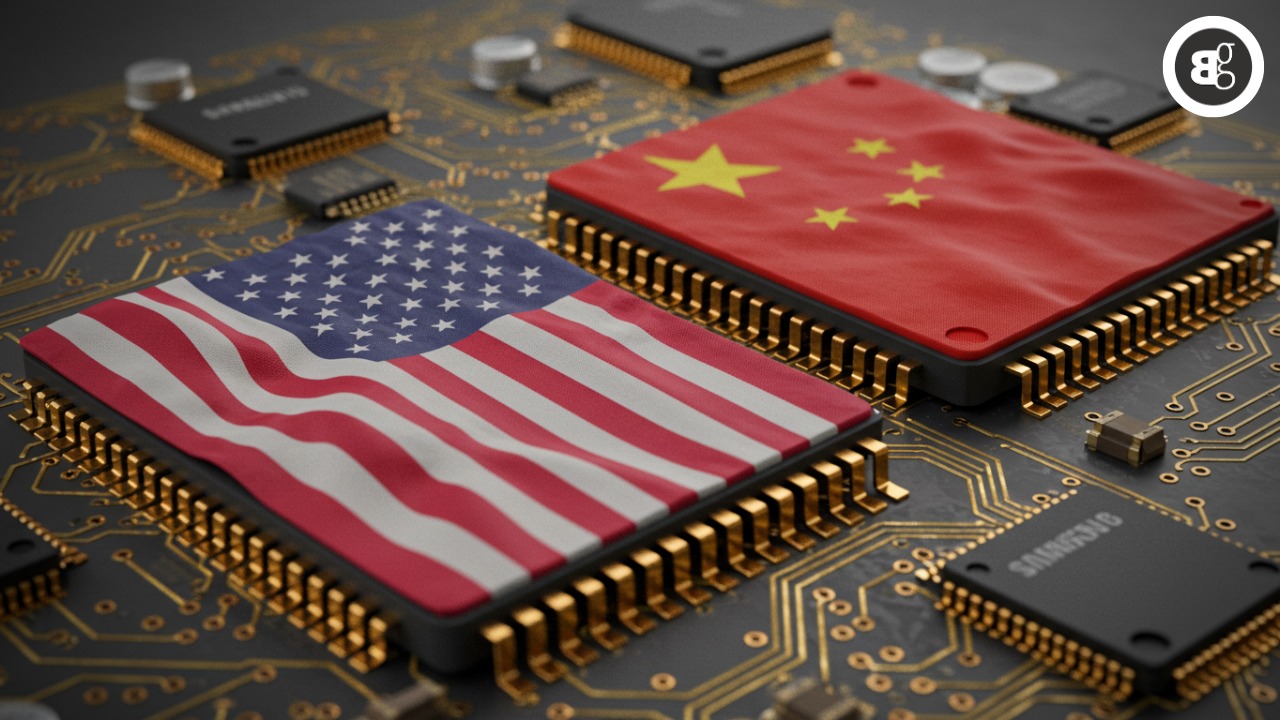
The United States is weighing a system of chip supply permits that would require Samsung Electronics and SK Hynix to secure annual approvals for sending chipmaking supplies to their factories in China. Officials argue the plan balances national security with global tech stability.
Annual chip supply permits replace Biden-era waivers
Last week, the US Commerce Department presented the proposal to its South Korean counterparts. Instead of relying on the indefinite waivers granted under the Biden administration, the two companies would need yearly “site licenses.” Those earlier waivers, known as validated end-user designations, will expire at the end of this year.

Apple Intelligence is reportedly launching in China before 2025 ends potentially becoming the first US-made AI model to debut in the country.
Why the chip supply permits shift matters
The change follows the Trump administration’s decision to revoke broader waivers, which had allowed smoother shipments. Regulators now see yearly approvals as a middle ground. As a result, Samsung and Hynix could continue operating their Chinese fabs, but Washington would monitor shipments more closely. This approach, officials believe, reduces risks of advanced technology reaching China unchecked.
Impact on the memory chip market
Samsung and SK Hynix control much of the global memory chip market, and their factories in China remain essential for producing parts used in smartphones, servers, and laptops. Without a reliable approval system, supply chain disruptions could drive up costs and limit availability. Meanwhile, industry analysts warn that even small interruptions in approvals may ripple across the global electronics sector.
What happens next
Negotiations between Washington and Seoul continue, and South Korea may push for longer-term guarantees. Even so, US officials appear determined to balance security priorities with supply chain stability by introducing annual chip supply permits. If adopted, the plan could reshape how global chipmakers manage their Chinese operations.