

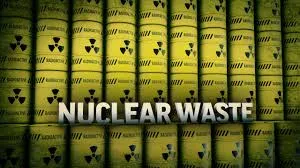
Scientists in the United States are exploring a method to recycle US nuclear waste into tritium, a rare hydrogen isotope used as fuel in nuclear fusion. Unlike today’s nuclear fission plants, which leave behind long-lived radioactive waste, fusion promises cleaner energy with minimal byproducts. But there’s a catch: fusion requires both deuterium and tritium, and while deuterium is abundant, tritium is in critically short supply.
Physicist Terence Tarnowsky of Los Alamos National Laboratory points out that global tritium reserves hover around 55 pounds, barely enough to fuel half a million homes for six months. With commercial tritium priced at about $15 million per pound, the US has a glaring gap in domestic production.
US nuclear waste turned into valuable hydrogen
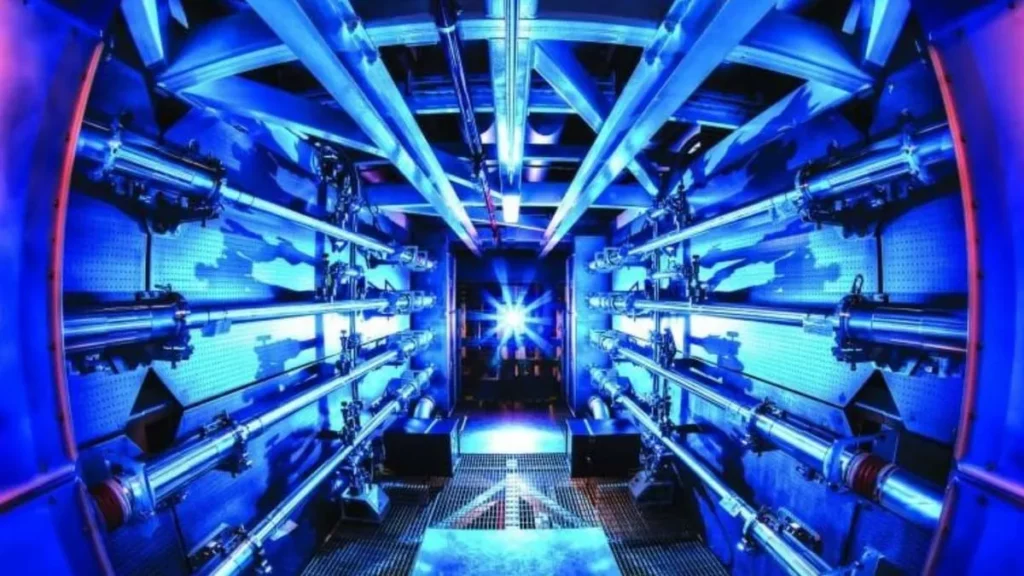
America’s nuclear plants have produced thousands of tons of radioactive waste that require expensive long-term storage. Instead of letting it sit idle, researchers see an opportunity: use that material to generate tritium.
Tarnowsky’s simulations show that a reactor powered by US nuclear waste and aided by a particle accelerator could generate tritium efficiently. In this system, the accelerator sparks atom-splitting reactions inside the waste, releasing neutrons that eventually form tritium through a series of nuclear transitions.

Norway will begin building floating nuclear power plants. This move could shift the balance of power in the energy sector.
How the simulated tritium reactor works
The proposed design differs from typical fission reactors. Instead of relying on a self-sustaining chain reaction, the accelerator lets operators turn the process on and off. This control mechanism is considered safer, reducing the risk of runaway reactions.
According to Tarnowsky, a theoretical system running at 1 gigawatt could produce about 4.4 pounds of tritium each year, ten times more than a fusion reactor of equivalent thermal power.
Key points from the research so far:
- The current tritium supply is less than 60 pounds worldwide
- Value of commercial tritium reaches $33 million per kilogram
- A 1 GW waste-fed reactor could yield 2 kilograms annually
- System design allows operators to halt reactions instantly
Next steps for the US nuclear waste recycling project
For now, the findings are based on computer models. Tarnowsky plans to refine efficiency estimates, add cost projections for tritium production, and further test the reactor’s safety profile. Another avenue under consideration is surrounding the waste with molten lithium salt, a proven design in uranium-based research reactors.
US nuclear waste as a bridge to nuclear fusion’s future
If successful, recycling US nuclear waste into tritium could solve two problems at once: reducing radioactive storage needs and creating vital fuel for fusion. Fusion is still years from commercial rollout, but the work being done now could help guarantee a steady supply of tritium once reactors finally come online.
What was once a costly burden may yet become the spark for the cleanest energy humanity has ever built.