
Volkswagen Faces Backlash Over Electric ID. Polo GTI Performance

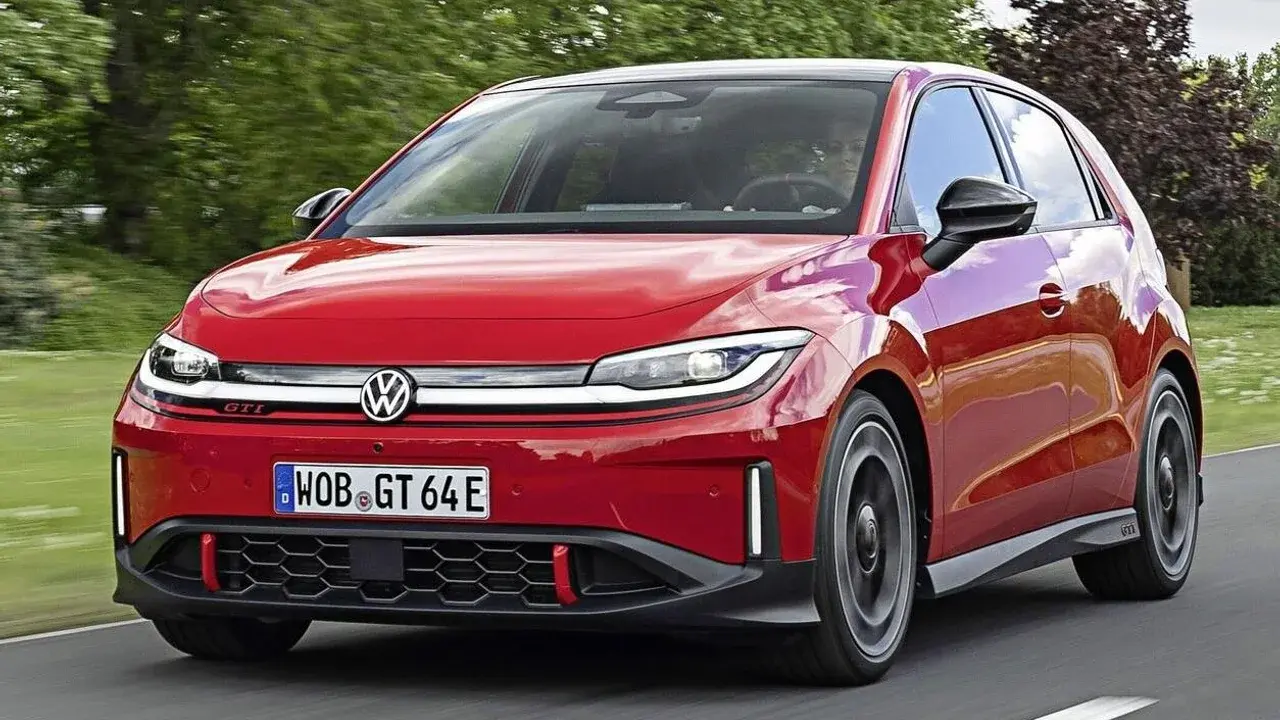
Volkswagen is currently facing significant scrutiny from automotive enthusiasts regarding the performance specifications of its upcoming electric ID. Polo GTI. Despite being marketed as a high-performance variant, the vehicle has been restricted to a top speed of 175 km/h, a decision that has sparked widespread debate among potential customers and industry experts. Critics argue that this speed cap undermines the legendary GTI heritage that the brand has built over decades. As the company prepares for the model’s market launch this autumn, the tension between maintaining electric efficiency and satisfying the high-performance expectations associated with the iconic GTI badge has become a central point of contention for Volkswagen engineers and executives alike.
- The new electric ID. Polo GTI features a 175 km/h speed limit that fails to surpass the 182 km/h capability of the original 1976 Golf GTI.
- Volkswagen board member Kai Grünitz confirmed that the company is currently evaluating the possibility of raising the vehicle’s maximum speed.
- Technical constraints related to the battery, electric motor, and drivetrain thermal management complicate any potential increase in the speed limit.
- The ID. Polo GTI faces stiff competition from the Peugeot e-208 GTI, which boasts superior acceleration and a higher top speed.
Historical Legacy Challenges Modern Engineering Standards
The core of the consumer frustration lies in a direct comparison with the company’s past achievements. When the first Golf GTI arrived in 1976, it set a benchmark for the industry with its 110-horsepower engine and a top speed of 182 km/h. In contrast, the modern electric ID. Polo GTI packs 226 horsepower, yet it remains 7 km/h slower than its predecessor. This technical irony has led many fans to question whether the transition to electric mobility is forcing the brand to compromise on its performance DNA. 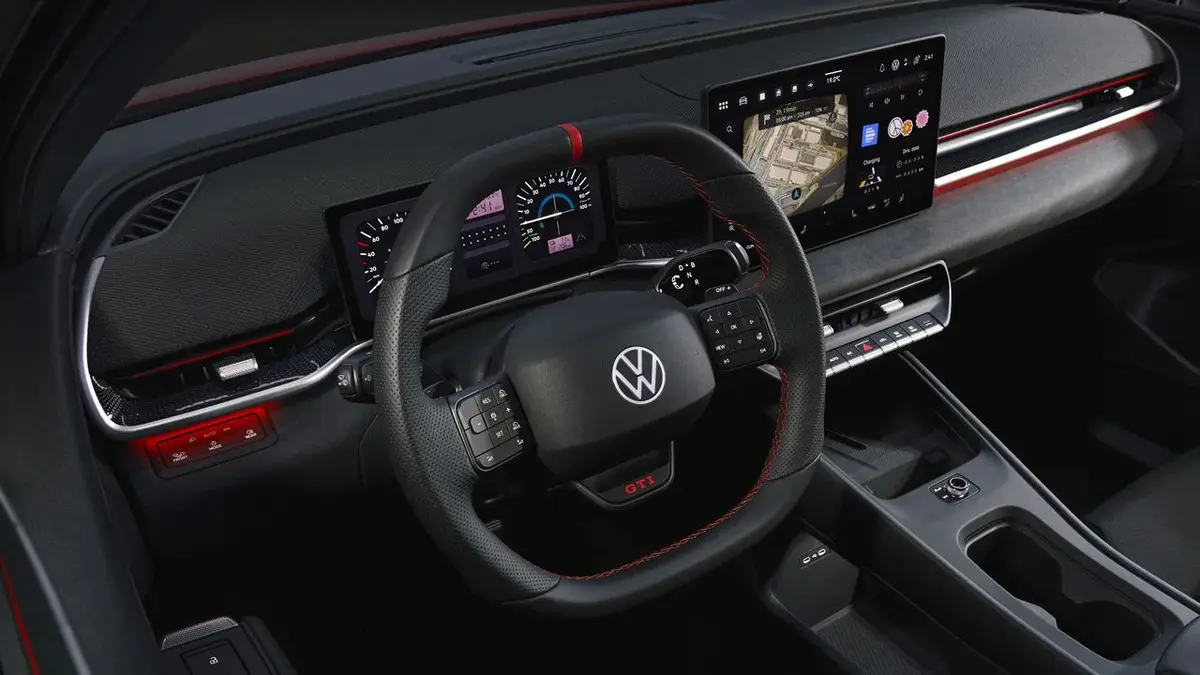
Engineering Hurdles Complicate Necessary Performance Upgrades
Volkswagen management has acknowledged that the criticism regarding the speed limit is valid. However, Kai Grünitz emphasized that simply removing the software lock is not a viable solution. The vehicle’s powertrain—specifically the battery and reduction gears—would face extreme thermal stress if operated at higher speeds for extended periods. Engineering a vehicle that maintains both its range and its performance credentials under high-speed duress requires significant mechanical adjustments rather than just a quick code change. 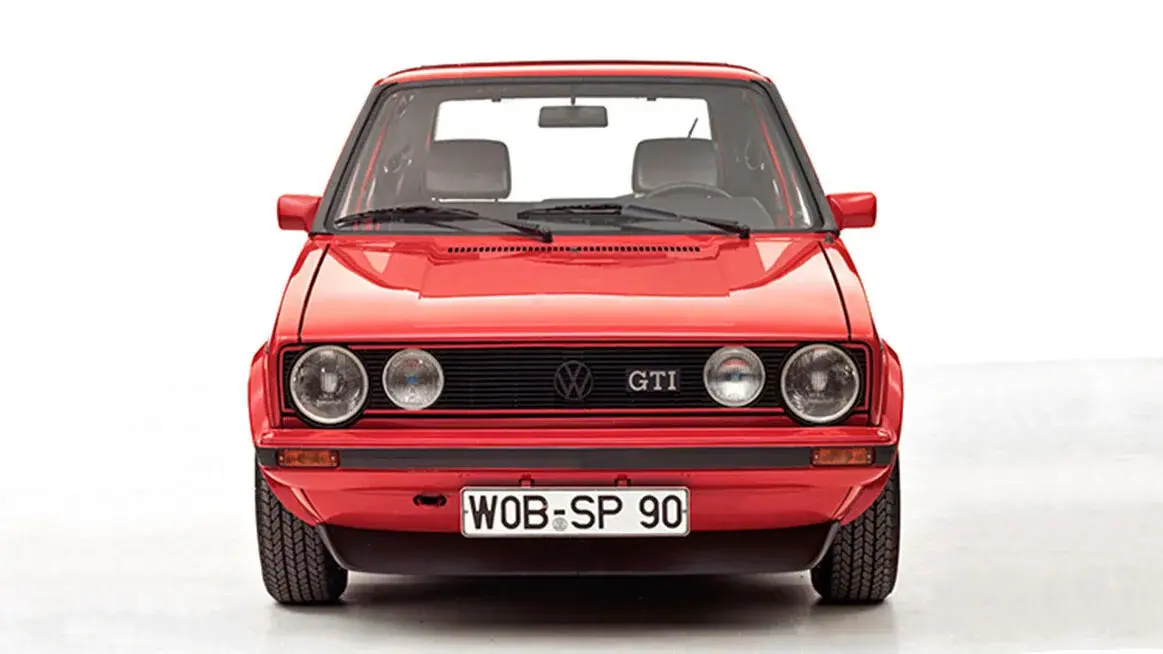
Market Competition Requires More Aggressive Strategies
The competitive landscape further pressures Volkswagen to reconsider its stance. The Peugeot e-208 GTI manages a 0-100 km/h sprint in just 5.5 seconds, whereas the ID. Polo GTI requires 6.8 seconds. With the Peugeot model also offering a higher top speed of 180 km/h, analysts suggest that Volkswagen must act to avoid falling behind its rivals. Increasing the cap to 185 km/h could serve as a symbolic gesture to appease the fanbase and solidify the car’s competitive position in the electric hot-hatch segment before its launch at a price point below 33,000 euros.
Given the ongoing debate regarding the balance between electric efficiency and performance, we would love to hear your thoughts. Do you believe Volkswagen should prioritize a higher top speed to respect the GTI legacy, or is a 175 km/h limit sufficient for modern electric urban mobility? Share your perspective in the comments section below.
Your comment has been submitted,
it will be published after approval.