

Netflix disrupted the media and entertainment industry with a major move yesterday. The company acquired Warner Bros. Discovery for $27.75 per share. This cash-and-stock exchange carries a total enterprise value of $82.7 billion and an equity value of $72.0 billion.
Movie industry shaken
The acquisition is expected to close in the third quarter of 2026, following the previously announced spin-off of Warner Bros. Discovery’s Discovery Global unit as a publicly traded company.
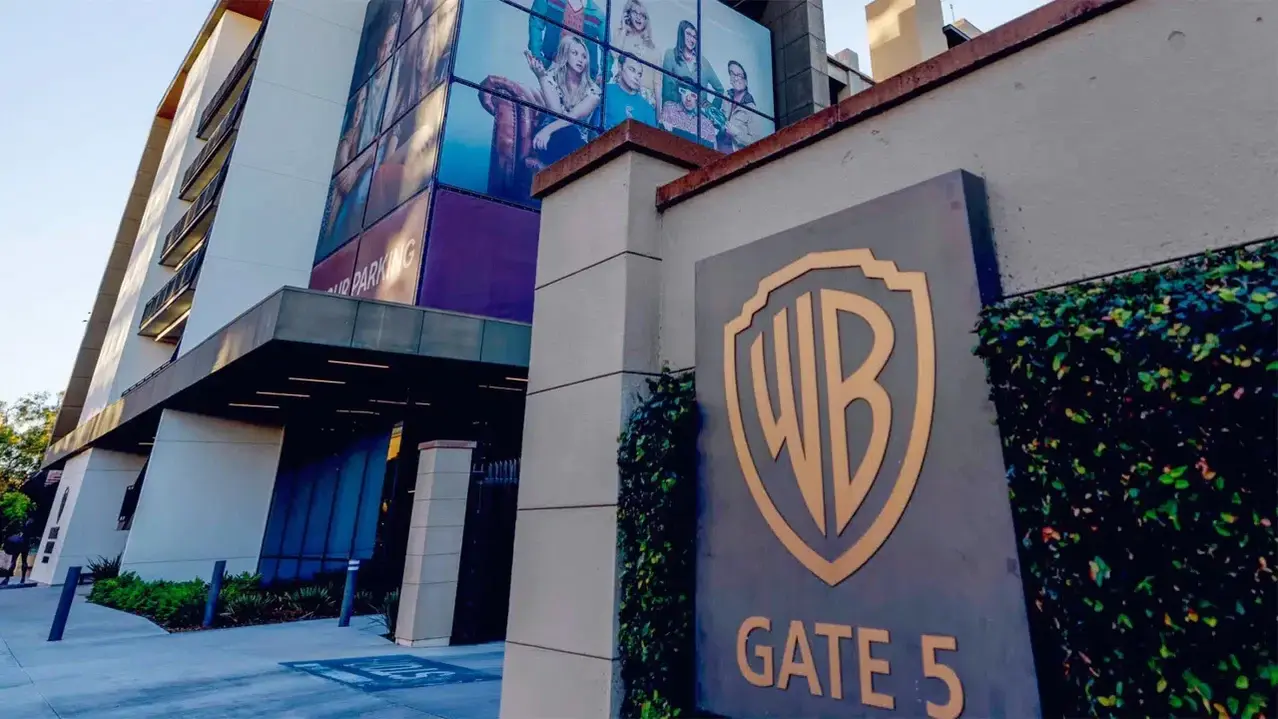
This shocking development immediately hit movie theater operators’ stocks. Industry leaders AMC Entertainment, IMAX, and Cinemark, in particular, suffered significant losses amid Netflix’s growing power. AMC Entertainment shares fell 3 percent, extending their five-day losing streak, bringing their total one-week loss to nearly 7 percent.
IMAX shares, meanwhile, fell 4.5 percent to $34.58. Shares of Cinemark Holdings, which operates approximately 500 theaters, fell sharply by 7.8 percent yesterday afternoon, hitting their lowest level of the year. Shares of Marcus Corporation, which operates 78 theaters, also fell 5.7 percent, reversing all gains made since November 20th.
This major transformation in the industry has also mobilized directors. The Directors Guild of America (DGA) is meeting with Netflix in the coming days. Concerns about changes in the industry will be addressed during this meeting. The association’s president, Christopher Nolan, the renowned director of films such as “Oppenheimer,” “Interstellar,” and “Inception,” will play a key role in the discussions.
Nolan has previously openly expressed his dissatisfaction with streaming platforms’ sabotage of movie theaters. He was particularly harsh in his criticism of Warner Bros.’ decision to move films to HBO Max on the same day as their theatrical releases during the pandemic.
In a statement at the time, he called HBO Max “the worst streaming platform” and said that Warner Bros. had a machine that perfectly delivered movies to audiences both in the cinema and at home, but that this decision was destroying the machine by dismantling it and that it made no economic sense.