
What is an A-Segment Car? Top City Vehicles Explained

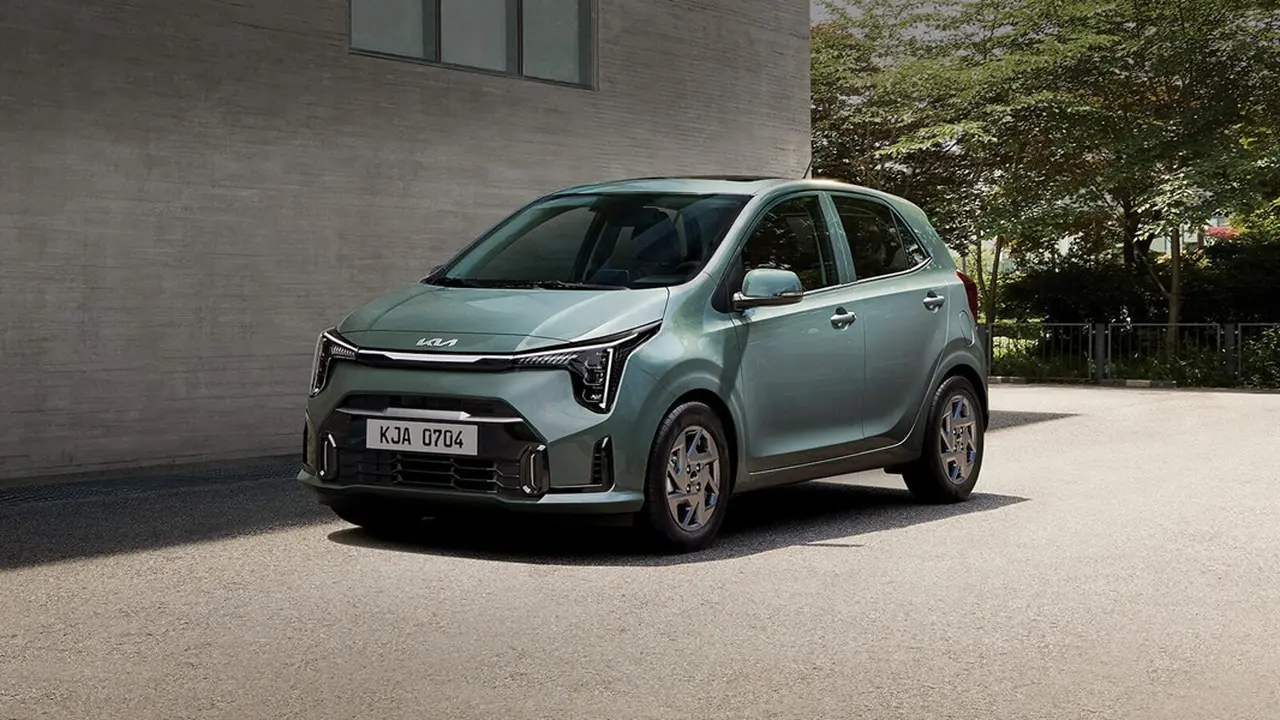
An A-segment car, widely recognized as the entry-level category in the automotive industry, represents the smallest class of passenger vehicles designed primarily for efficient urban mobility. These compact machines, which typically measure around 3.7 meters in length, have become the preferred choice for drivers navigating dense city traffic and narrow streets. By prioritizing agility and fuel economy over sheer size or high-speed performance, A-segment cars offer a practical solution for daily commuting. Their design philosophy focuses on maximizing interior space within a minimalist footprint, making them highly effective tools for modern metropolitan life where parking and maneuverability remain significant daily challenges for vehicle owners.
- A-segment vehicles are characterized by their compact size, which is typically kept under 3.7 meters in length.
- These automobiles prioritize fuel efficiency and ease of parking in densely populated urban environments.
- The category predominantly features hatchback body styles equipped with smaller engine displacements.
Why A-Segment Cars Dominate Urban Environments
The primary appeal of an A-segment vehicle lies in its architectural simplicity and functional efficiency. Because these cars are specifically engineered for crowded cityscapes, they possess a turning radius that larger sedans or SUVs cannot replicate. This mechanical advantage allows drivers to navigate tight turns and complex parking scenarios with minimal effort. Furthermore, because these cars are lightweight, they generally require smaller, more efficient engines, which significantly reduces the overall carbon footprint and ownership costs associated with fuel consumption.
What Define the Key Characteristics of These Vehicles
Beyond their physical dimensions, these vehicles are defined by a specific set of engineering standards. Most models in this category feature a hatchback configuration, which provides a balance between cabin space and cargo accessibility. While the trunk volume is inherently limited, it is usually sufficient for groceries, gym bags, or daily essentials. Additionally, the reduced weight of the chassis means that manufacturers can focus on agility, ensuring that the driving experience remains responsive even when power output is modest.
Which Models Represent the Best A-Segment Choices
The market currently hosts a variety of competitive options for consumers looking to invest in a city-focused automobile. Popular models that have defined this segment include the Hyundai i10, the Kia Picanto, and the iconic Fiat 500. Other notable mentions that provide reliable transport include the Toyota Aygo, the Volkswagen up!, and the Renault Twingo. Each of these vehicles brings a unique design language to the segment, ranging from the retro-inspired aesthetics of the Fiat 500 to the pragmatic, utilitarian approach seen in the Suzuki Alto and the Skoda Citigo. These manufacturers have consistently refined their offerings to include better safety features and connectivity options, proving that small cars can still deliver a modern, comfortable experience.
Why Choosing an A-Segment Vehicle Remains a Smart Decision
For those who do not require the expansive room of a family SUV or the long-range capabilities of a highway cruiser, an A-segment car provides the most logical path forward. The lower entry price, combined with significantly cheaper maintenance and tax brackets in many regions, makes them an economically sound investment. As cities continue to expand and parking becomes increasingly scarce, the relevance of these compact vehicles will likely grow, cementing their position as the ultimate urban transport solution.
If you have ever owned an A-segment vehicle, we would love to hear about your experience regarding fuel efficiency and ease of use in the city. Please share your thoughts and favorite city car models in the comments section below.
Your comment has been submitted,
it will be published after approval.