
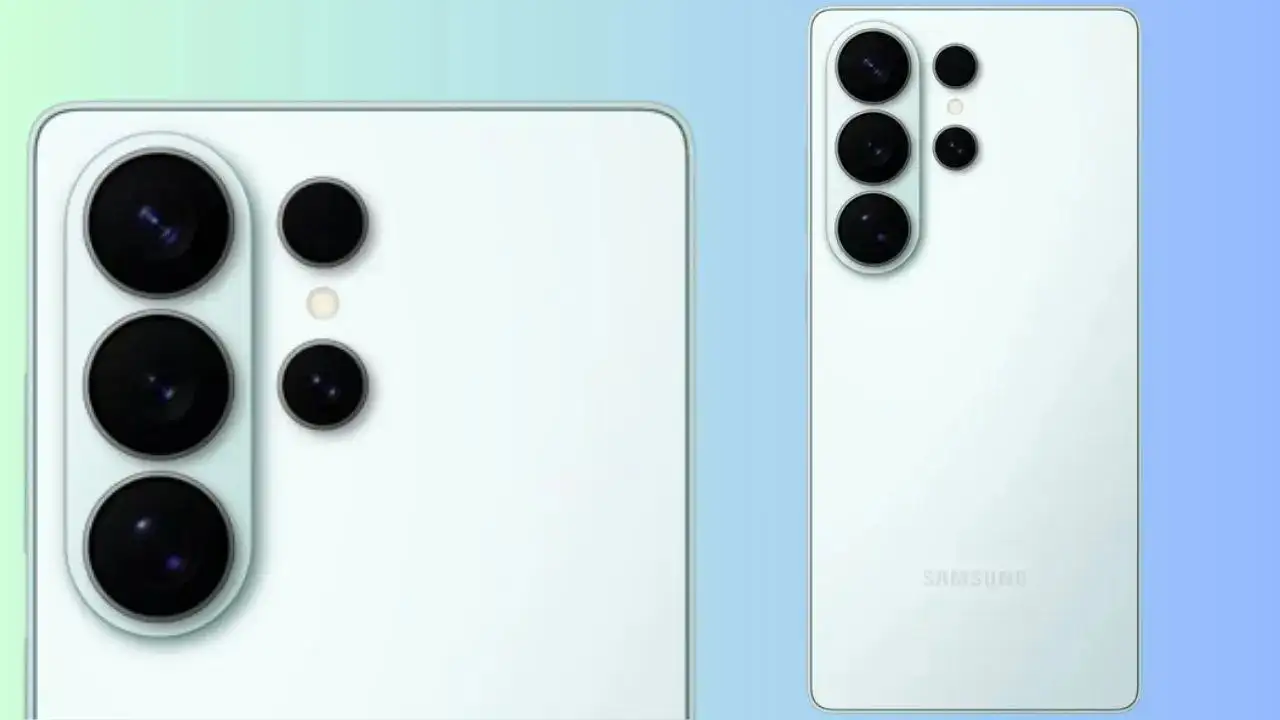
Despite pressing the button on mass production for its new flagship Galaxy S26 series, scheduled for release in February 2026, Samsung is facing a major dilemma in determining the final sales prices of the devices. Leaked reports from within the company confirm that the tech giant is going through the most difficult balancing act in its history between rising hardware costs and the desire to maintain its profit margin.
Galaxy S26 Series Costs in the Spotlight
The explosion in global demand for artificial intelligence technologies, in particular, is directly driving up the costs of memory (RAM) and storage units. Although Samsung is one of the world’s largest memory manufacturers, it cannot escape this increase due to supply and pricing disputes between its semiconductor division (DS) and its mobile division (MX). Data shows that the cost of 12GB LPDDR5X RAM used in premium phones has jumped from $33 to $70 in a year.
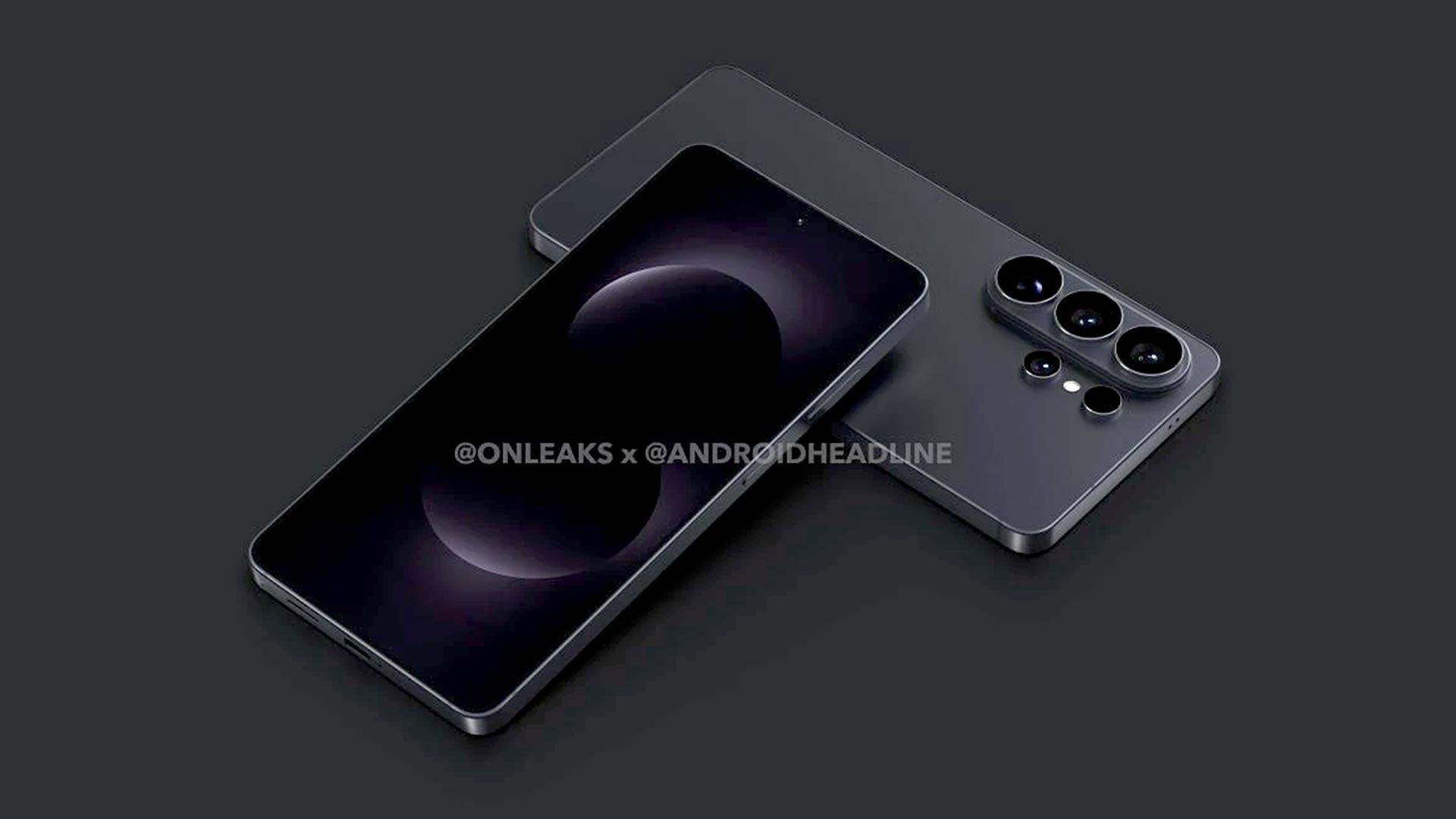
The cost pressure is not limited to memory units; Qualcomm’s high licensing fees for its new generation Snapdragon 8 Elite Gen 5 processors account for approximately 20% of total production costs.
In addition, technological upgrades in the new generation OLED panels offering high brightness and advanced camera sensors increase the cost per component by over 30% compared to previous generations. Samsung management is concerned that if this additional burden is passed directly on to consumers, sales volume will decrease; if prices remain constant, the profitability of the mobile unit will collapse.
The company, which in the past pursued a loss-making sales strategy with special models like the Galaxy Z TriFold to showcase its technological prowess, cannot afford to take such a risk with its highest-revenue S series.
Increased marketing and labor costs due to fierce global competition are another dimension of uncertainty. The company’s plan to reduce costs by using its own Exynos chipsets cannot yet be positioned as a complete alternative due to question marks regarding the efficiency and performance of these processors. Samsung is expected to finalize its pricing in the coming weeks, analyzing fluctuations in exchange rates and the latest developments in the raw materials market.
However, industry analysts emphasize that the tech giant may not be able to fully subsidize cost increases this time, and users could face a starting price that is $50 to $100 higher compared to the S25 series.