
WhatsApp Web Introduces Direct Browser-Based Voice and Video Calling

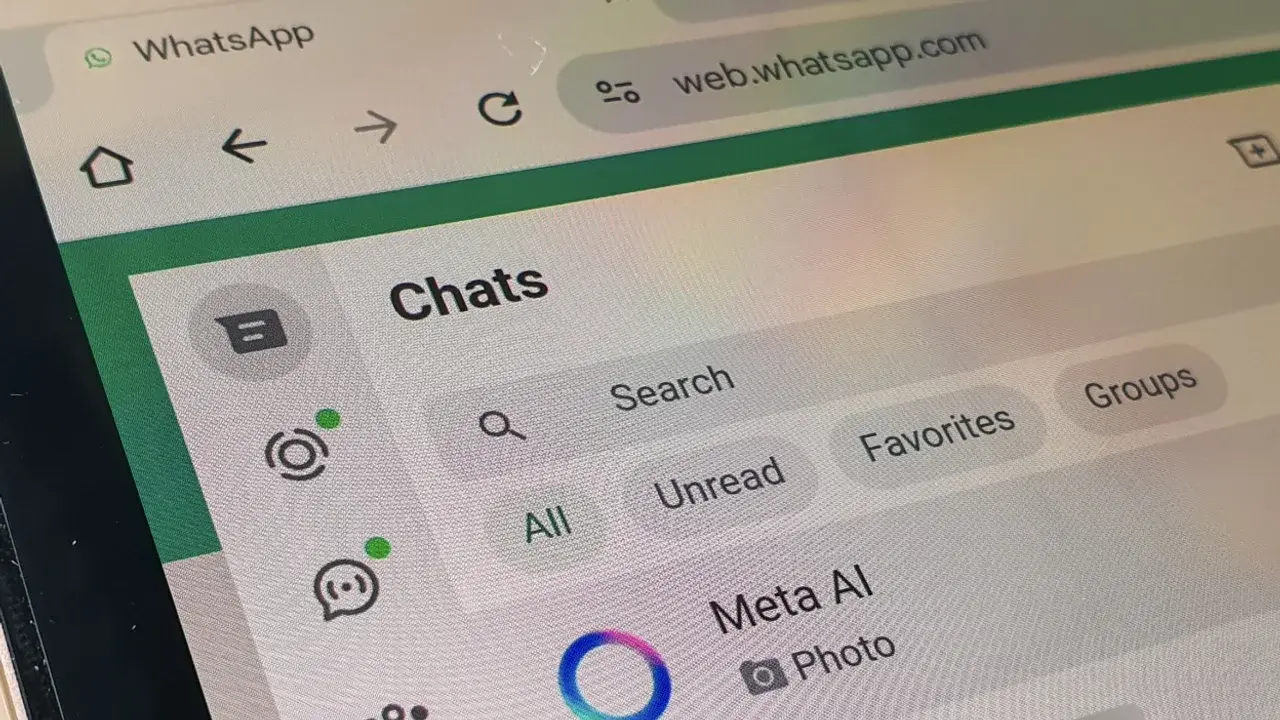
WhatsApp has officially launched a major update for its browser-based platform, enabling users to initiate voice and video calls directly through WhatsApp Web without requiring a separate application installation. This significant upgrade allows millions of users worldwide to conduct one-on-one or group communications seamlessly from their desktop browsers. By eliminating the necessity for software downloads, WhatsApp is providing a practical solution for professionals using corporate laptops or public computers where administrative restrictions often prevent the installation of dedicated messaging apps. This development marks a substantial shift in how users interact with the service, bringing mobile-like calling functionality to the web interface.
- WhatsApp now supports direct voice and video calls on its web platform without requiring third-party software installations.
- All communications on WhatsApp Web utilize end-to-end encryption to ensure user privacy and data security.
- The platform enables users to transition active group calls between mobile and desktop devices without experiencing any service interruptions.
- New features including QuickHD technology and noise suppression are being implemented to enhance overall call quality.
Browser-Based Communication Facilitates Seamless Connectivity
The integration of calling features into the web browser environment offers unprecedented flexibility for users who spend their workdays in front of a computer. All calls made through the interface are fully protected by end-to-end encryption, maintaining the same security standards found in the mobile application. Beyond basic calling, the browser version now supports essential features such as screen sharing, emoji reactions, and a dedicated tab for managing call history and favorites.

Users can now transition ongoing group calls between mobile devices and the web interface without dropping the connection.
To provide better management during professional or large social interactions, the platform has introduced a Waiting Room feature. When the “Require approval to join” option is enabled, participants are held in a virtual lobby until the host manually admits them into the meeting. This granular control is expected to be particularly useful for organized group sessions and business webinars.
Audio and Visual Quality Standards Are Being Elevated
WhatsApp is prioritizing call clarity by introducing QuickHD technology to its browser-based calls. This implementation ensures that high-definition video is available from the very first second of a connection, effectively minimizing the impact of initial buffering. Furthermore, the platform is addressing environmental distractions by deploying a sophisticated noise suppression system. This feature effectively filters out background sounds in noisy settings, ensuring that the speaker’s voice remains the primary focus.
These advanced audio and visual enhancements are currently being rolled out to the global user base in a phased deployment.
As these updates become standard across the board, the company anticipates a more efficient communication workflow for its users. By refining both the accessibility and the technical performance of its web client, WhatsApp is positioning itself as a more competitive tool for remote communication. The move highlights a strategic focus on cross-platform synchronization, aiming to keep users connected regardless of their specific hardware constraints.
We are curious to hear your thoughts on these new browser-based calling features. Do you believe this update will shift your daily workflow from mobile to desktop, or do you prefer the portability of your phone for meetings? Please share your experiences and opinions in the comments section below.
Your comment has been submitted,
it will be published after approval.