
Xiaomi 18 Pro Privacy Display Tech Sparks Screen Quality Concerns

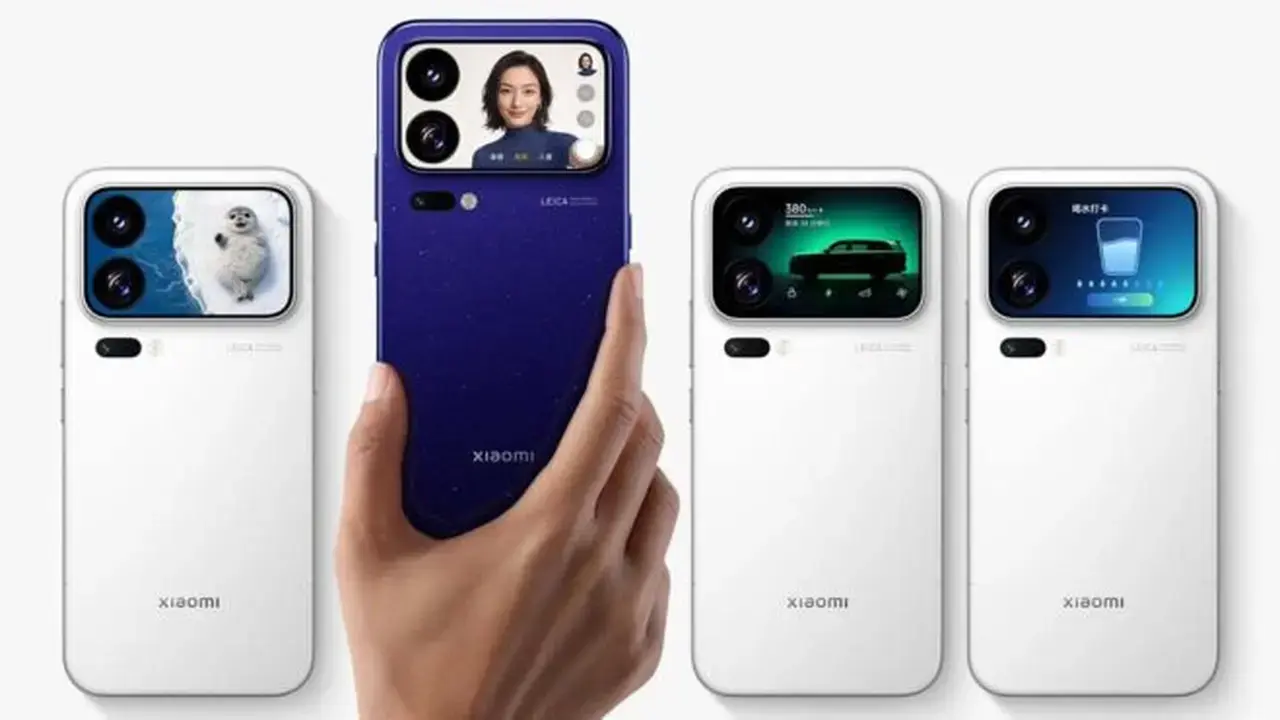
Xiaomi has officially launched its latest flagship smartphones, the Xiaomi 18 Pro and Xiaomi 18 Pro Max, which feature an integrated hardware-based privacy display technology designed to restrict viewing angles. While this innovative feature aims to protect sensitive information from prying eyes in public spaces, early reports from industry experts, including the renowned analyst Ice Universe, indicate that this hardware addition significantly compromises overall display performance. Users and reviewers have noted that even when the privacy mode is completely disabled, the handsets suffer from reduced peak brightness and narrower viewing angles compared to the previous Xiaomi 17 Ultra model.
- The integrated privacy filter layer reduces the optical transmittance of the OLED panel.
- Peak screen brightness and visibility remain negatively impacted even when the privacy feature is deactivated.
- Hardware-based privacy implementations continue to create significant engineering trade-offs regarding display luminance.
Hardware Layers Affect Panel Transmittance
The primary issue stems from the physical structure of the privacy layer, which functions similarly to a micro-louver system. By design, these micro-structures are intended to limit light dispersion to specific viewing angles, effectively shielding the screen from side views. However, this structural density inevitably creates light loss, even when the user is viewing the screen directly from the front. The consequence is a noticeable decrease in contrast and poor outdoor visibility under direct sunlight.
Testing conducted by industry observers confirms that the Xiaomi 18 Pro falls short of the visual standard established by its predecessors. By sacrificing light transmission for privacy, Xiaomi has prioritized security at the cost of the flagship-tier visual fidelity that enthusiasts typically expect from a premium device.
Samsung Galaxy S26 Ultra Parallels Emerge
The current situation mirrors the controversy surrounding the Samsung Galaxy S26 Ultra, which previously faced backlash for implementing a similar hardware-based privacy solution. During that product cycle, Samsung users reported a measurable decline in panel quality and luminance. While the manufacturer maintained that the difference was negligible in daily use, technical analysis consistently pointed to a reduction in peak nits that could not be fully corrected via software updates.
The repetition of these issues in the Xiaomi 18 Pro suggests that current display technology faces a fundamental engineering limitation when incorporating physical polarization layers. These layers appear to inherently conflict with the requirements for maximum brightness and color accuracy in modern high-end OLED displays.
Security Features Compete with Visual Performance
The core conflict for consumers lies in whether the benefit of built-in privacy outweighs the loss of display performance. While the feature eliminates the need for external privacy screen protectors, it fundamentally alters the viewing experience. It remains unclear if Xiaomi can mitigate these hardware-driven deficiencies through future software algorithms designed to compensate for brightness loss.
Ultimately, the market will determine if the privacy-focused design is a desired innovation or a regression in flagship quality. As technical enthusiasts continue to monitor the performance of the Xiaomi 18 Pro, the debate between prioritizing personal data security and achieving the perfect visual experience is likely to intensify.
Do you believe that having a built-in privacy screen is worth the trade-off in display brightness and overall image quality, or would you prefer a standard panel? Share your thoughts and experiences in the comments section below.
Your comment has been submitted,
it will be published after approval.