
Xiaomi Unveils MIX Ultra Foldable and Xring O3 Processor

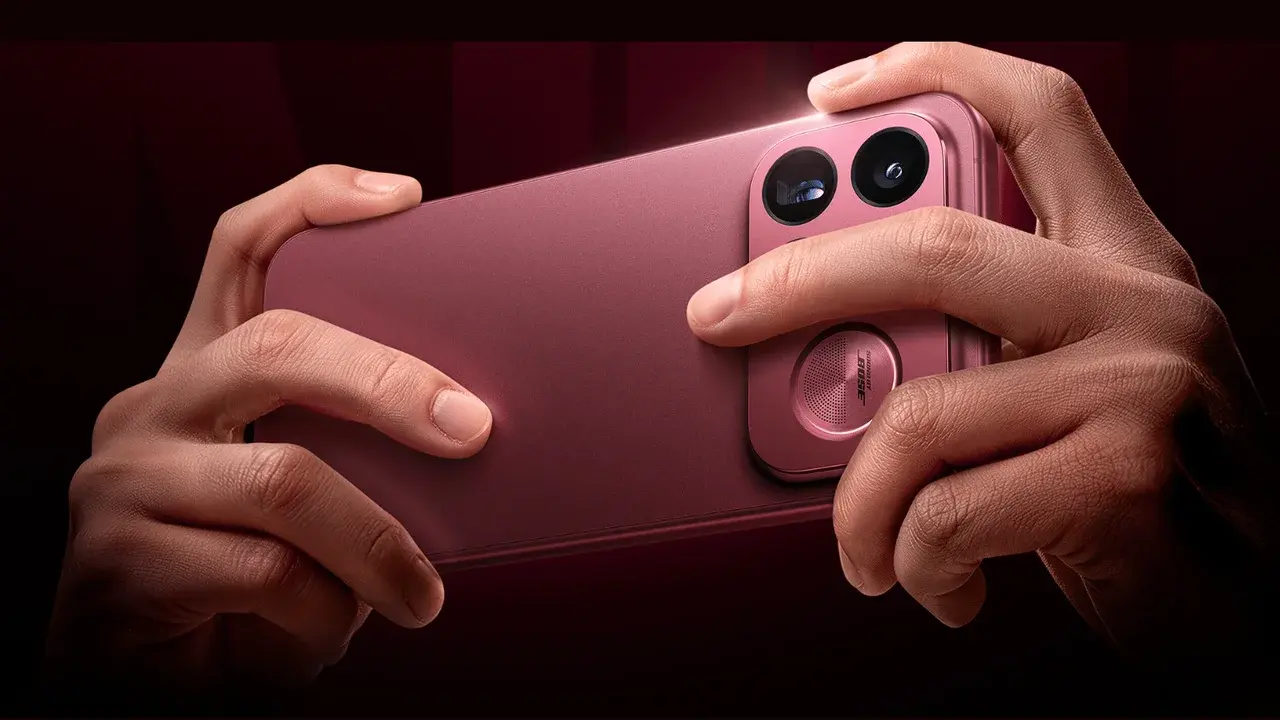
Xiaomi CEO Lei Jun has officially signaled the upcoming launch of the company’s latest flagship foldable smartphone, the Xiaomi MIX Ultra, during a recent social media announcement. Revealed alongside the hardware’s debut, the device is expected to redefine the mobile experience by integrating Xiaomi’s proprietary Xring O3 processor. While the company continues its rigorous development phase, the initial imagery showcases a sophisticated maroon design, hinting at a large-screen architecture comparable to industry-leading foldable devices. This strategic launch aims to strengthen Xiaomi’s footprint in the premium smartphone market by combining cutting-edge display technology with an in-house silicon solution designed for peak performance.
- The Xiaomi MIX Ultra features a large foldable display and a powerful 200-megapixel primary camera sensor.
- The new Xring O3 processor utilizes a tri-cluster CPU architecture to improve overall computing efficiency.
- Xiaomi plans to release the Xiaomi Pad 8S Pro tablet concurrently with the new smartphone model.
Xiaomi MIX Ultra Offers Premium Design Features
Leaked reports suggest the Xiaomi MIX Ultra will likely sport a 7.5 to 7.6-inch internal foldable display, catering to users who demand high screen real estate. The hardware is expected to include a side-mounted fingerprint scanner for enhanced security.  Complementing its aesthetic appeal, the device will be equipped with a robust 6,000 mAh battery that supports wireless charging.
The device will launch with the Android 17-based HyperOS 4 operating system to ensure seamless software integration.
The camera system remains a focal point, with rumors pointing toward a 200-megapixel main sensor capable of capturing intricate details in various lighting conditions.  By focusing on both build quality and internal hardware, Xiaomi appears ready to challenge existing market incumbents with this latest addition to the MIX series.
Xring O3 Processor Delivers Advanced Performance
A significant highlight of the upcoming release is the implementation of the Xring O3 chipset, which represents a major leap over the previous O1 iteration. 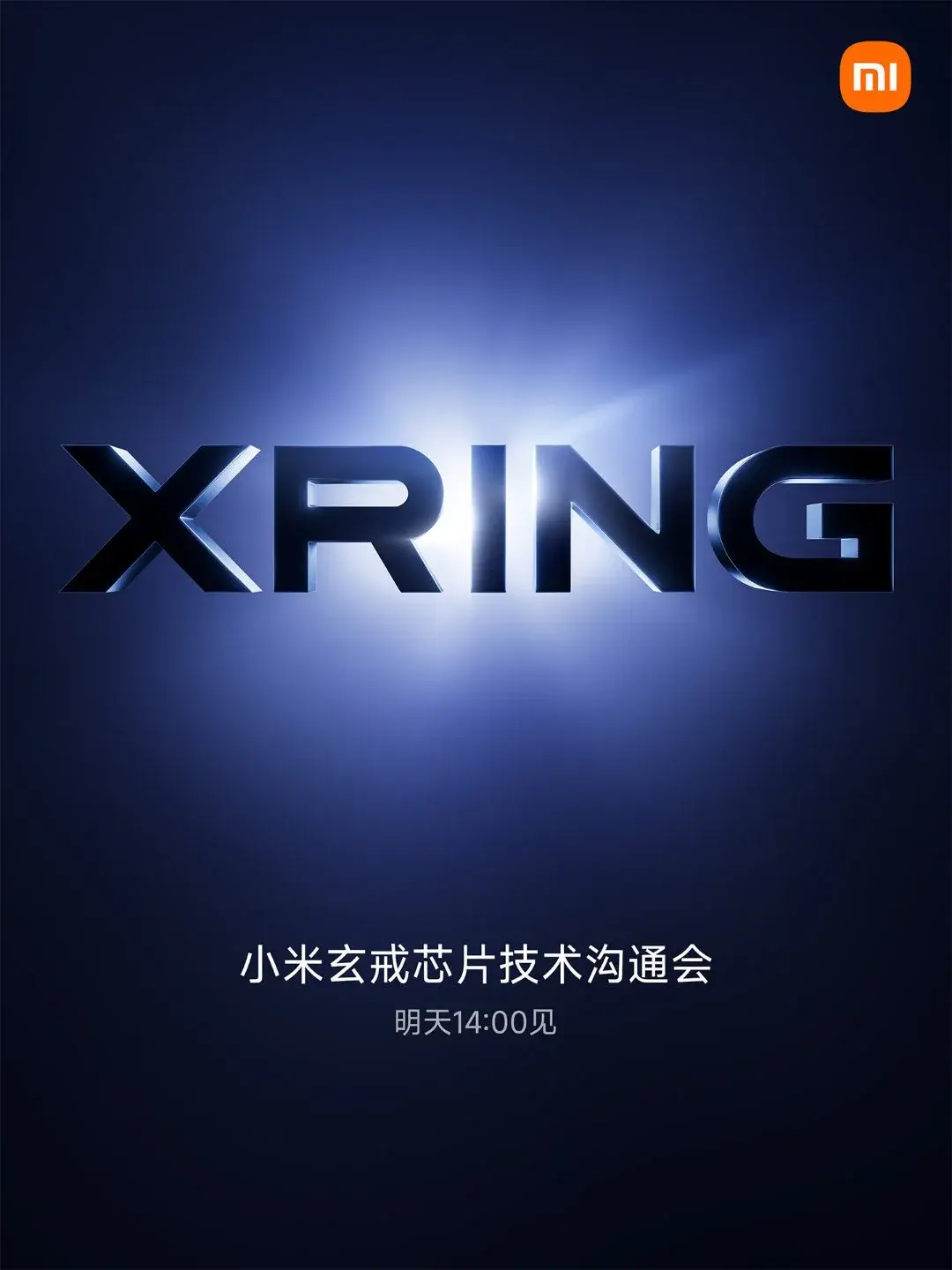 Known internally by the codename Lhasa, this processor adopts a complex three-cluster architecture to manage power and performance tasks effectively.
Technical specifications indicate that the CPU can achieve a peak core frequency of 4.05 GHz, while performance and efficiency cores operate at 3.42 GHz and 3.02 GHz, respectively. The GPU has received an upgrade to 1.5 GHz, and the system supports high-speed memory at 9,600 MT/s. This technical prowess positions the Xring O3 as a direct competitor to high-end mobile chipsets currently available in the industry.
Xiaomi Pad 8S Pro Expands the Ecosystem
Beyond the smartphone, Xiaomi is preparing to refresh its tablet lineup with the Xiaomi Pad 8S Pro. This upcoming tablet will be powered by the same Xring O3 processor, marking a unified hardware strategy for the brand. With a 12.5-inch display and a massive 12,000 mAh battery, the tablet is designed for power users and creative professionals alike. The device will likely offer up to 16 GB of RAM, ensuring it handles intensive multitasking without latency.
We are eager to hear your thoughts on Xiaomi’s decision to transition toward proprietary chipsets; do you believe the Xring O3 processor can successfully disrupt the current mobile market dominance?
Your comment has been submitted,
it will be published after approval.